Overthinking · 12 min
How to stop what if thinking: finish the question
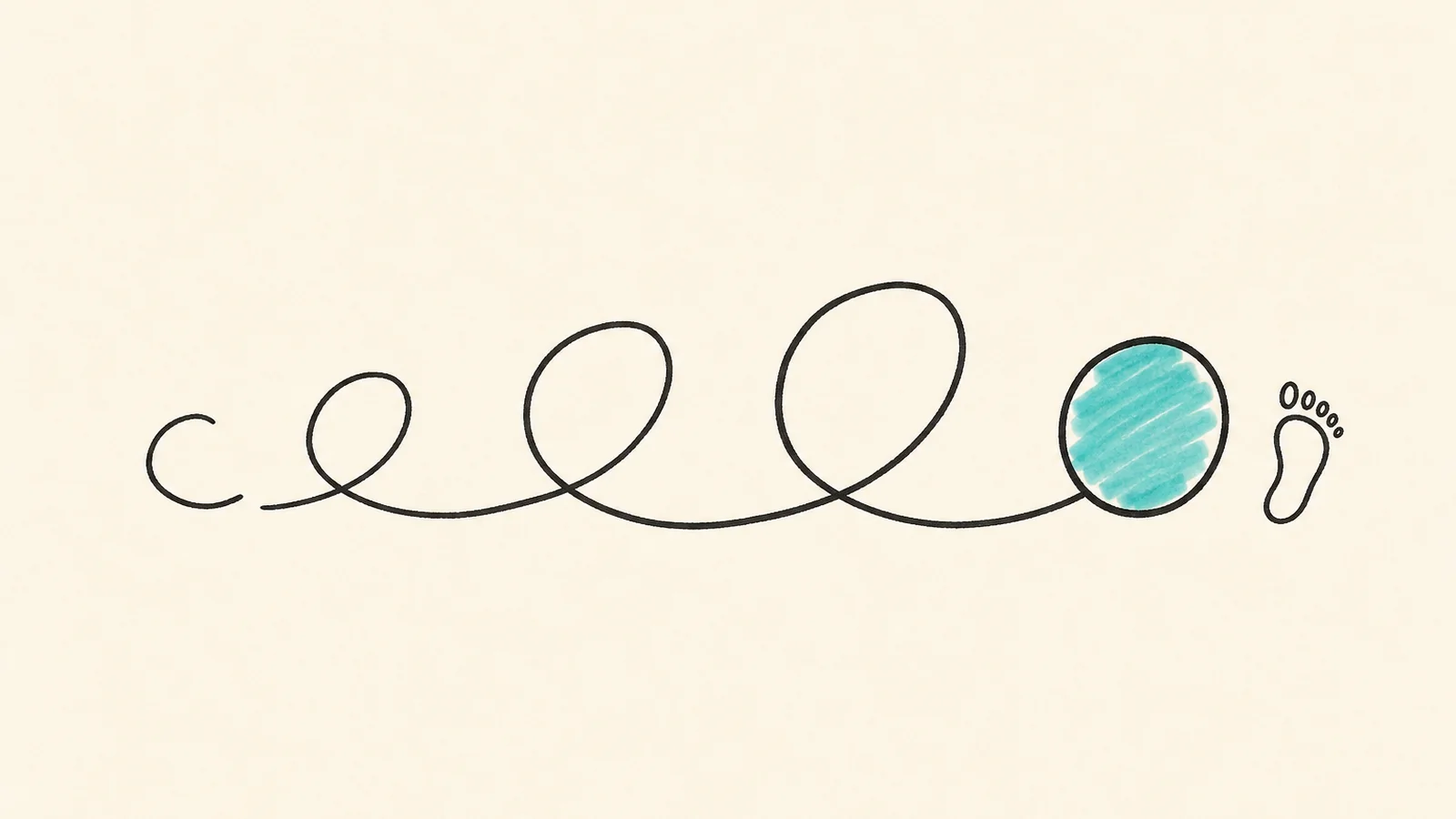
Arguing with each worry rarely ends the loop. How to stop what if thinking: follow the chain to its last link and ask the half it always skips.
 Inwitt
Topic
8 essays on socratic method.
Arguing with each worry rarely ends the loop. How to stop what if thinking: follow the chain to its last link and ask the half it always skips.
Inwitt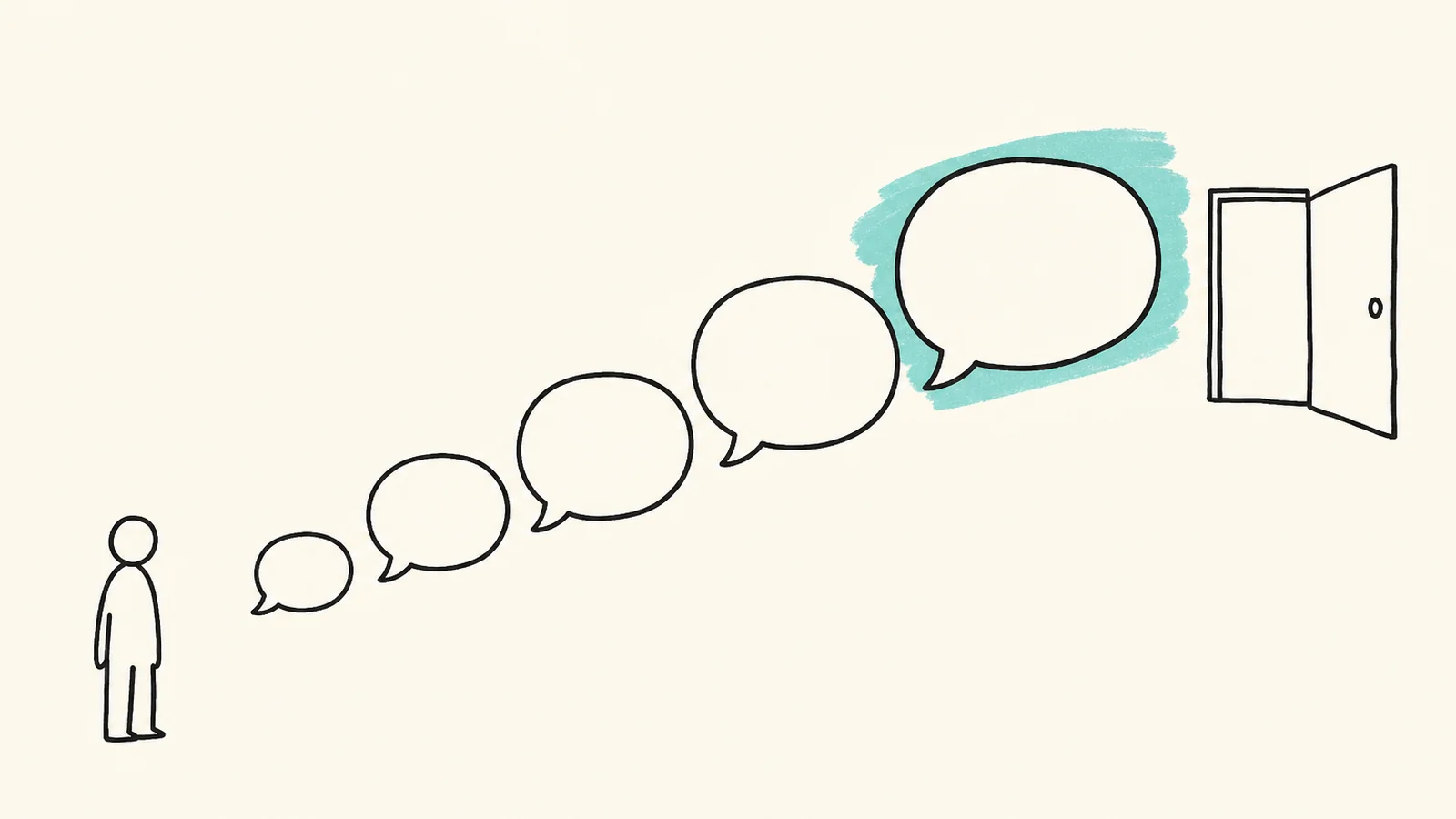
Most lists can be answered in a second. The questions to ask yourself before making a decision are the five whose answers you can't predict.
InwittFallacy lists rarely stick. How to teach critical thinking to adults: work on a problem they own, ask instead of tell, and hold back your own answer.
Inwitt
Before you send a message, check its claim, its hidden assumptions and what would change your mind. That check is critical thinking in communication.
Inwitt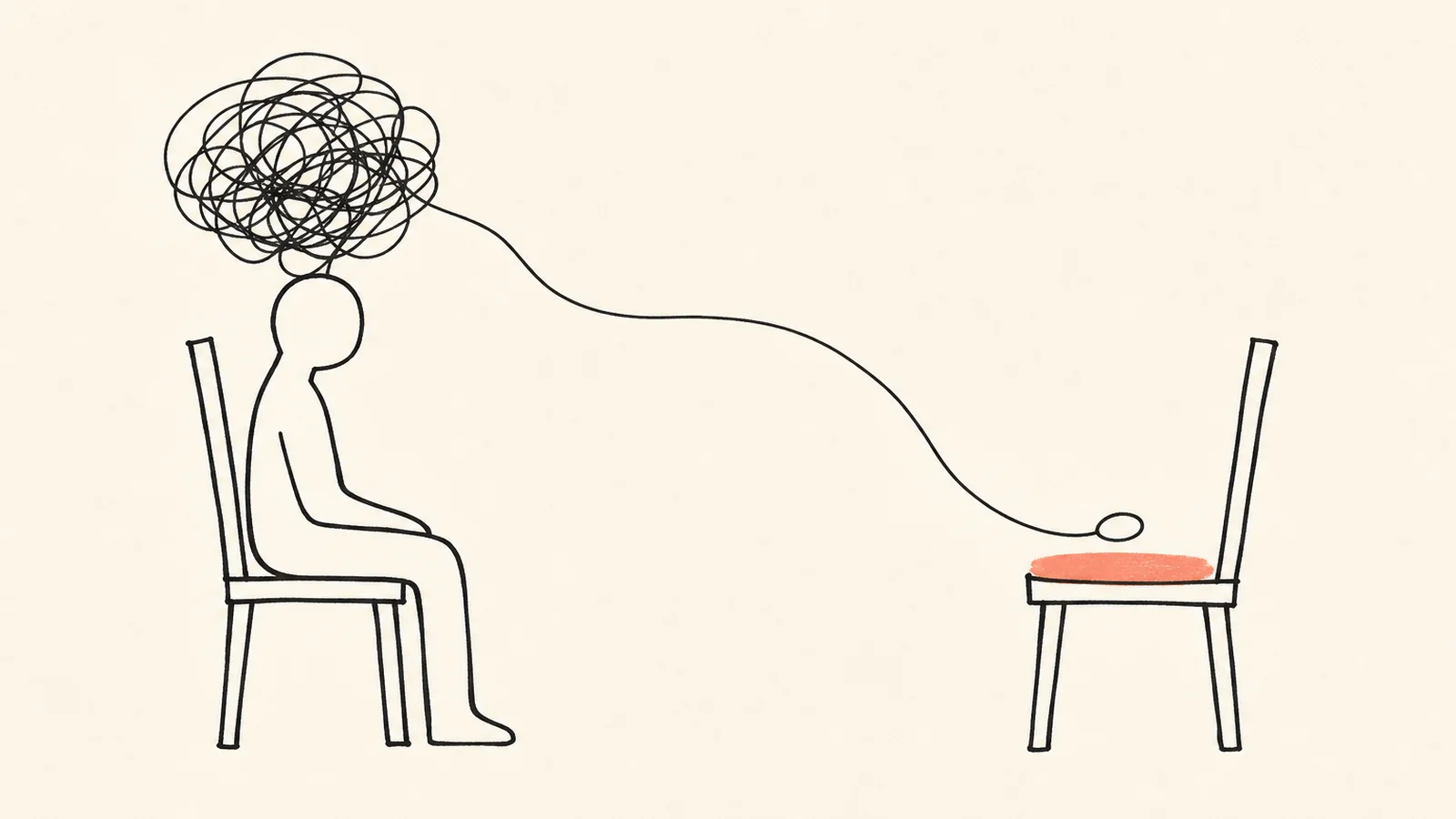
A mind never goes silent. Knowing how to quiet your mind means sorting the noise: a revved body, a rehearsed list, and a voice that needs a question.
Inwitt
Most mindfulness overthinking advice stops at letting thoughts go. That loosens their grip; a loop that keeps coming back is asking a question.
Inwitt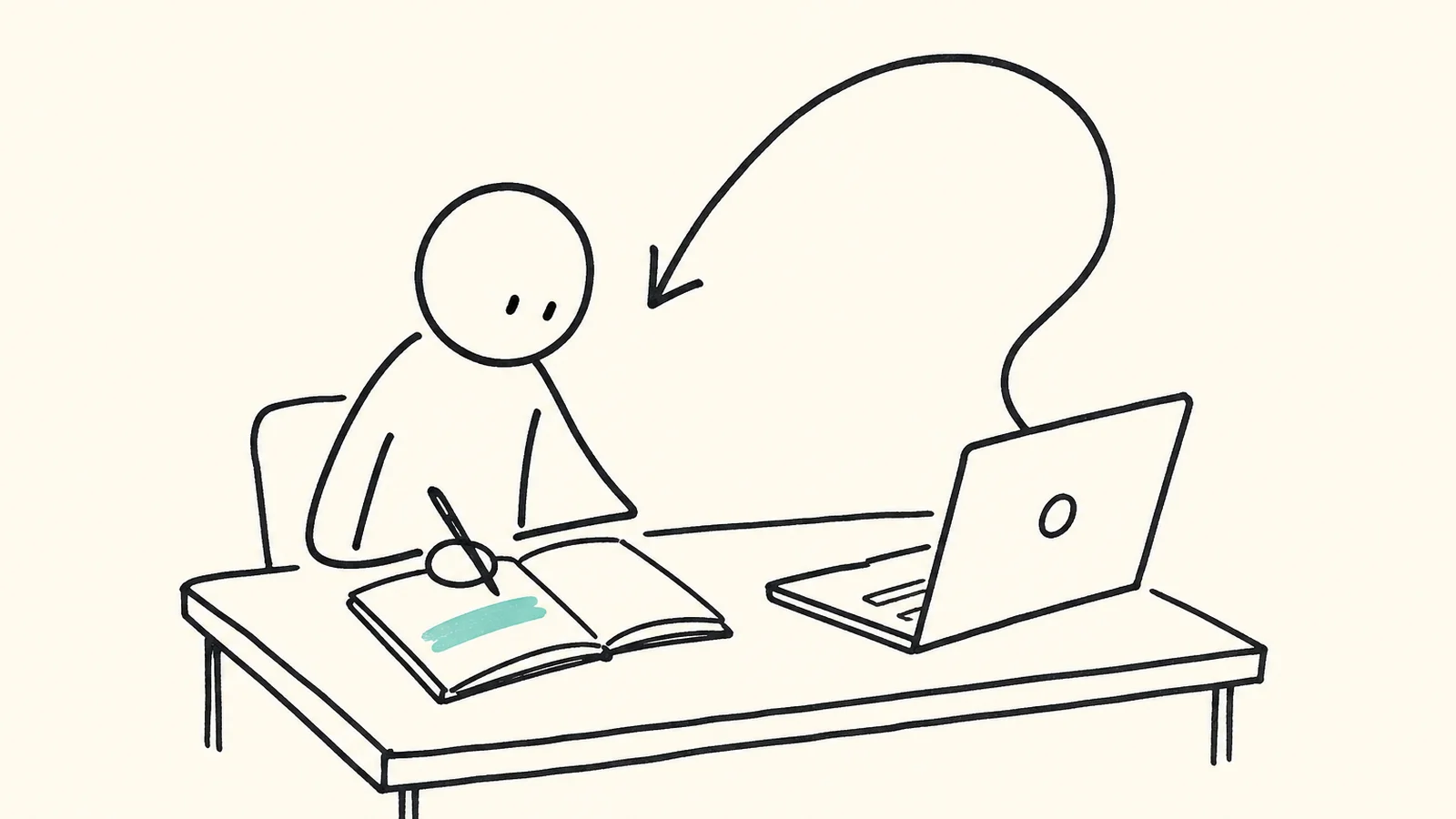
Most advice on AI and critical thinking says it depends how you use it. Three 2025 studies name the variable: who ends up doing the reasoning.
Inwitt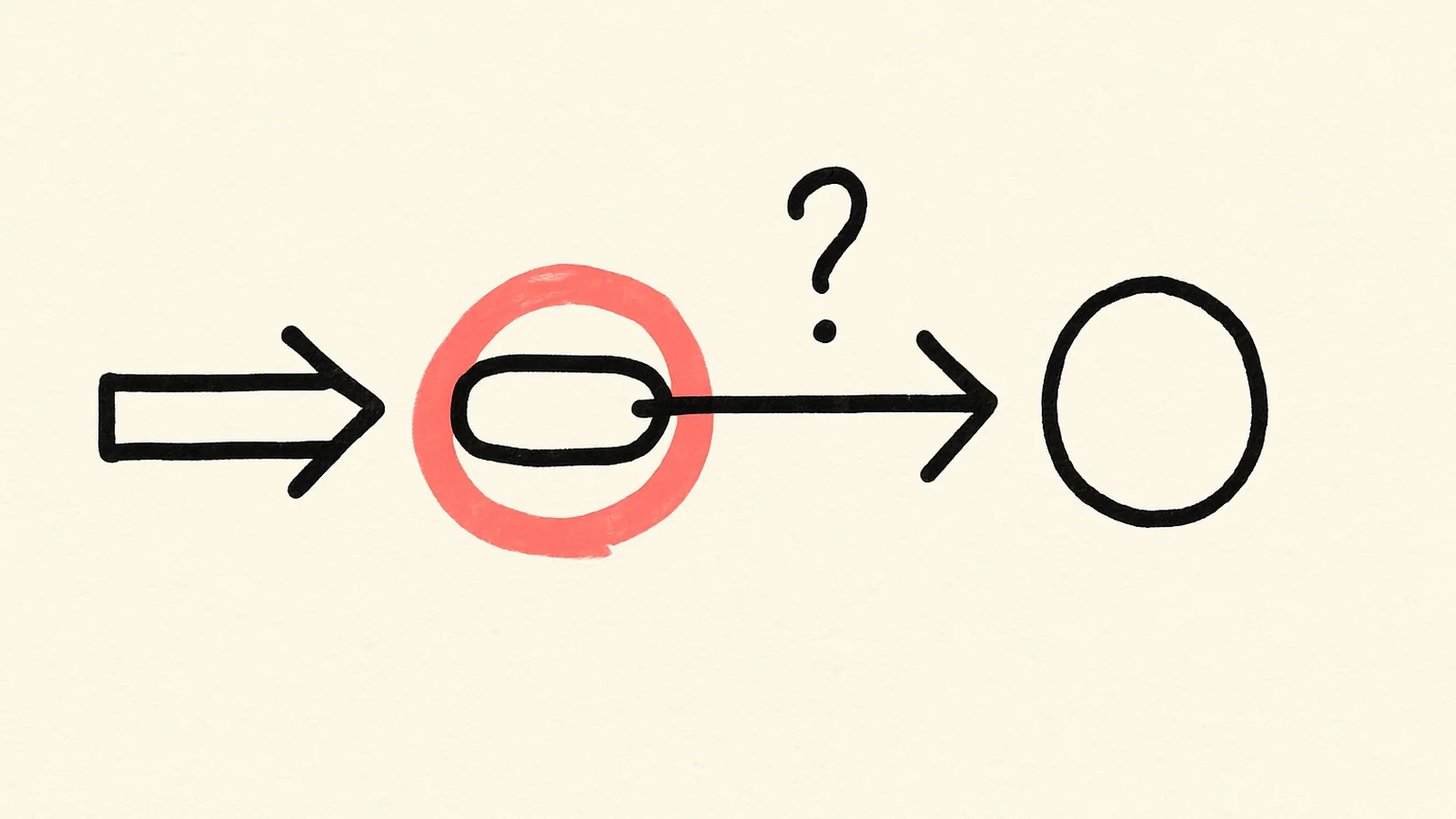
Most guides say to question your assumptions. Reasoning critically is harder, because reasoning evolved to defend conclusions, not to test them.
Inwitt