Decision making · 12 min
Food decision fatigue: decide dinner before you're hungry
Two hundred daily food choices is a myth. Food decision fatigue comes from one question reopened every evening, so settle dinner before hunger does.
 Inwitt
Topic
37 essays on decision making.
Two hundred daily food choices is a myth. Food decision fatigue comes from one question reopened every evening, so settle dinner before hunger does.
Inwitt
Two large decision fatigue nursing studies disagree on clinical calls. The choices you carry off the unit after a long shift are another story.
Inwitt
The number of options is rarely the problem. Consumer decision fatigue builds from purchases that stay open in tabs, carts and return windows.
Inwitt
Time limits miss the cause. Dating app decision fatigue grows profile by profile in one sitting, so cap the count and write what you want first.
Inwitt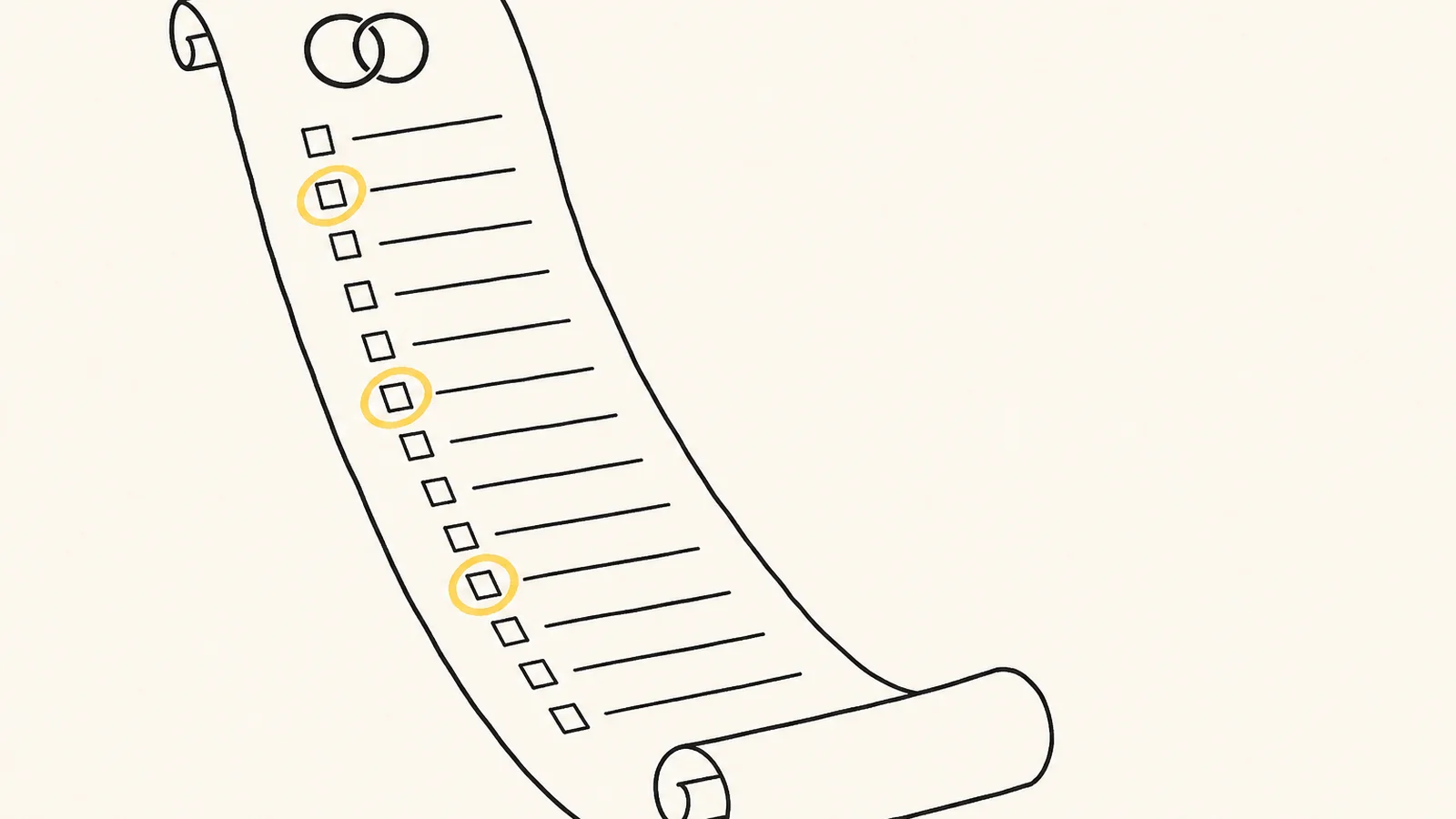
Cutting every list to three barely helps. Wedding planning decision fatigue eases when choices close for good and most of them go to a default.
Inwitt
That famous number counts classroom exchanges. Decision fatigue in teachers comes from the few calls that follow you home, and those can be closed.
Inwitt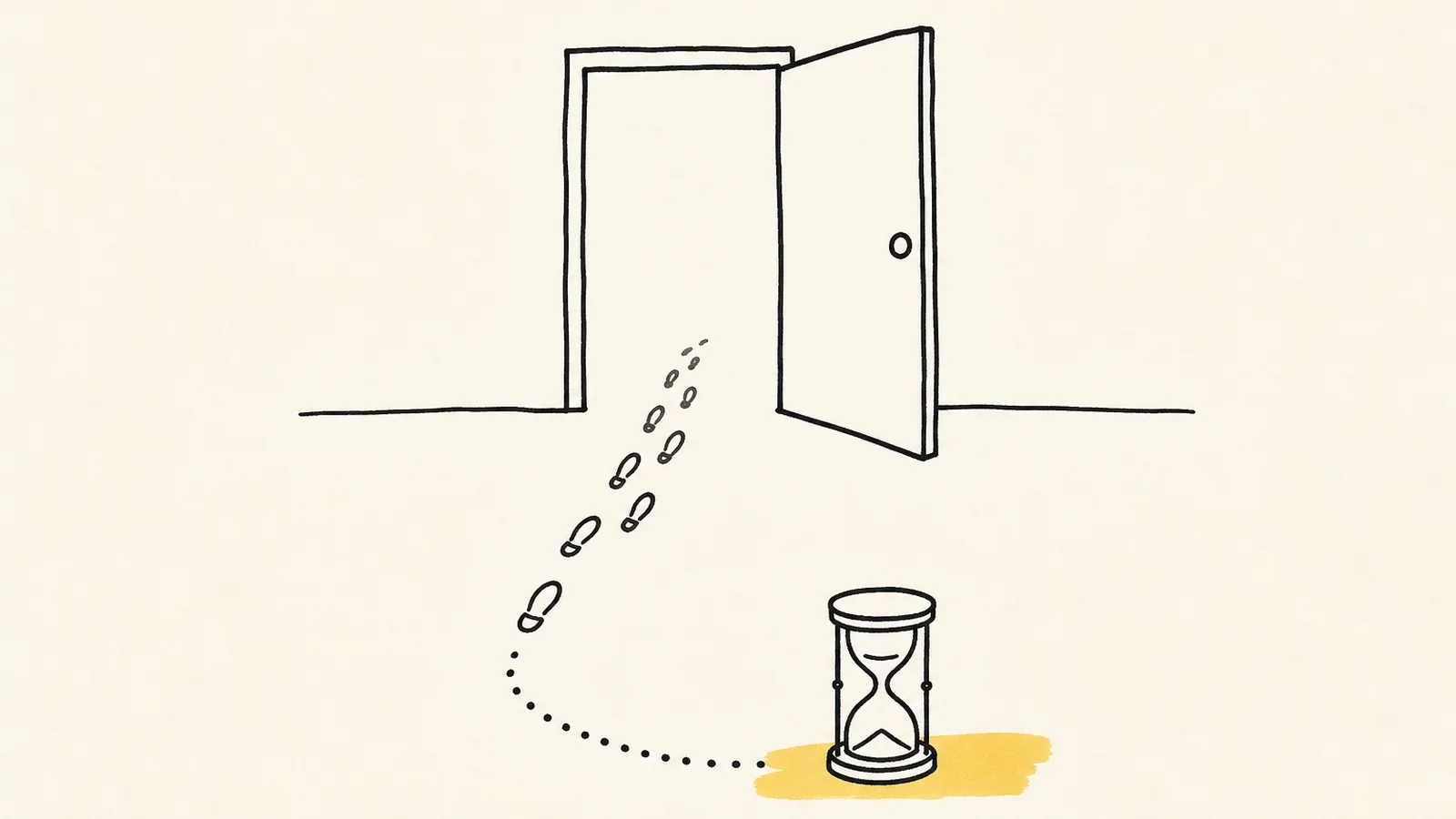
Most choices are not one door. Reversible vs irreversible decisions are usually bundled, and the useful test finds the one part you cannot undo.
Inwitt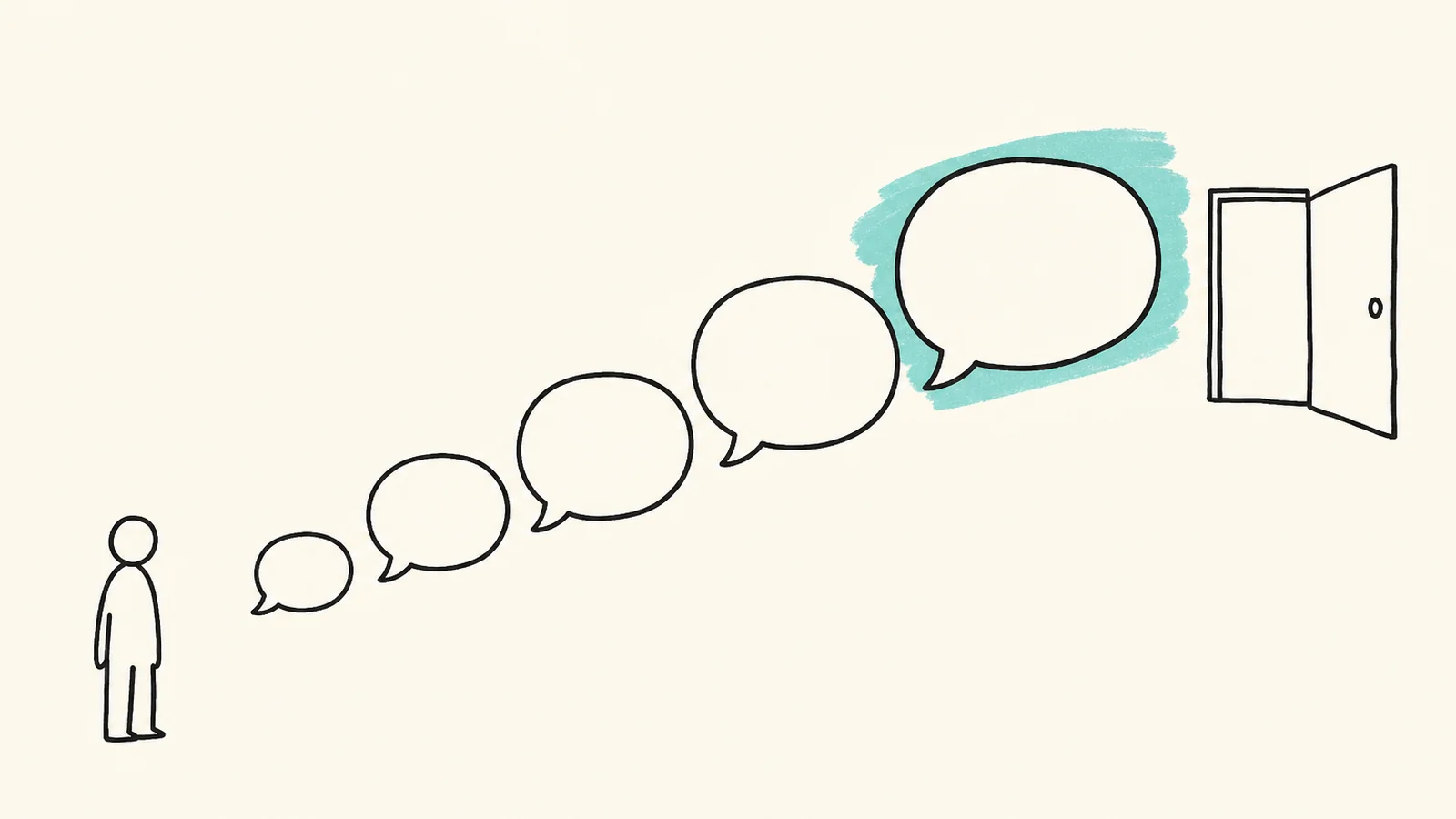
Most lists can be answered in a second. The questions to ask yourself before making a decision are the five whose answers you can't predict.
Inwitt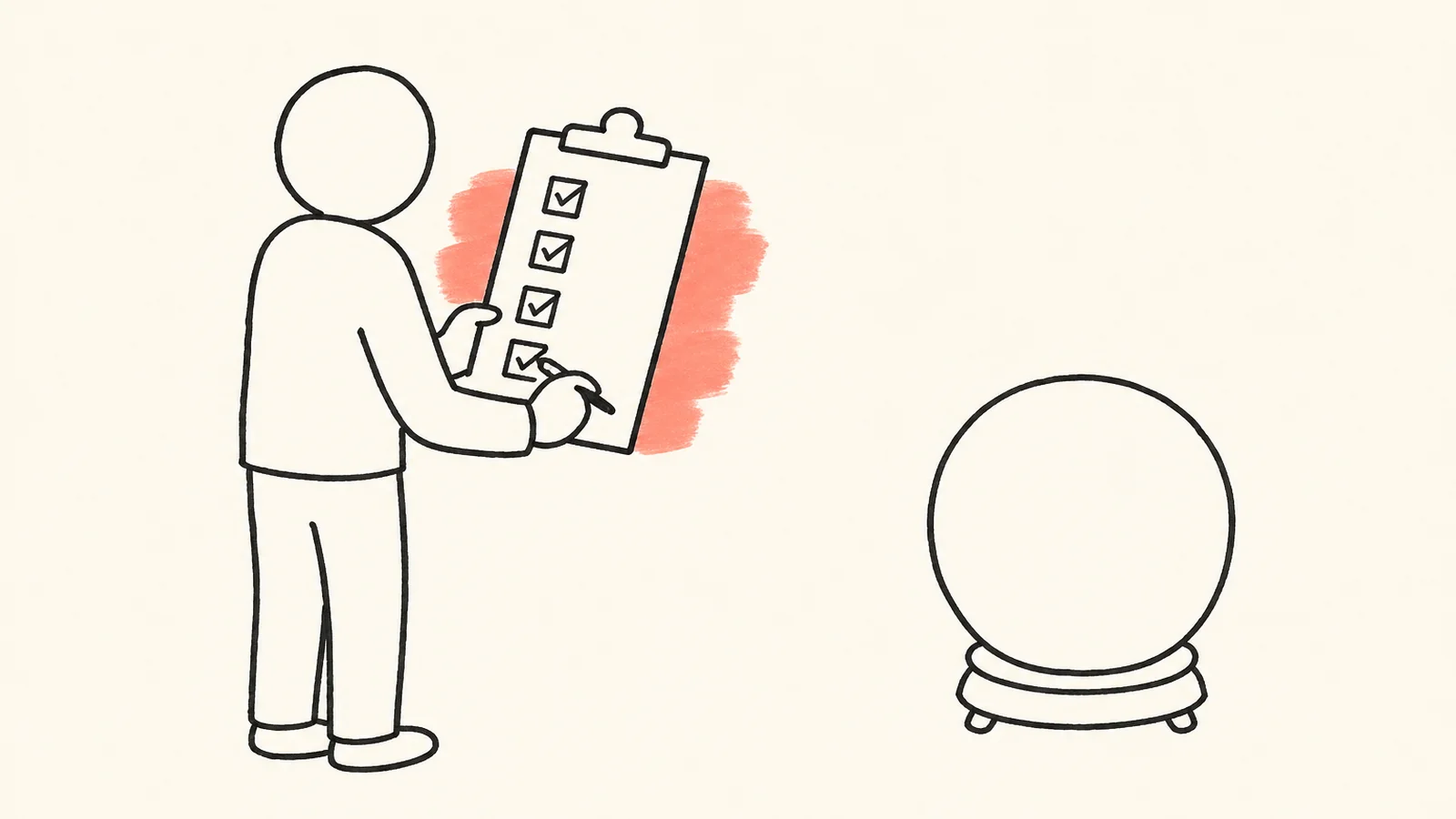
No feeling confirms it in advance. How to know if you are making the right decision: check how it was made, since feeling sure comes after.
Inwitt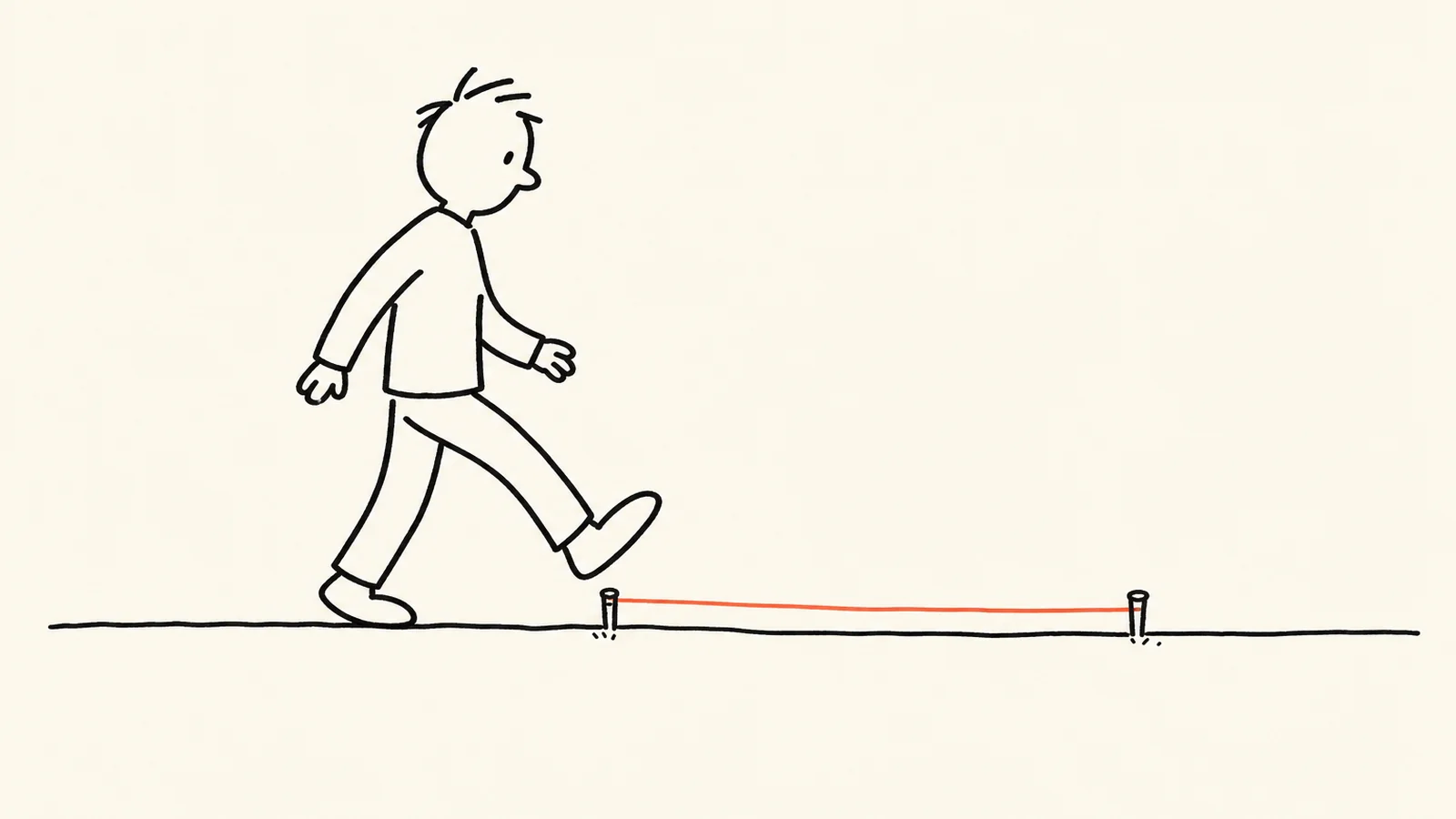
Question everything is not a method. How do you use critical thinking? Learn the few moments that call for it, then ask a question that can fail.
Inwitt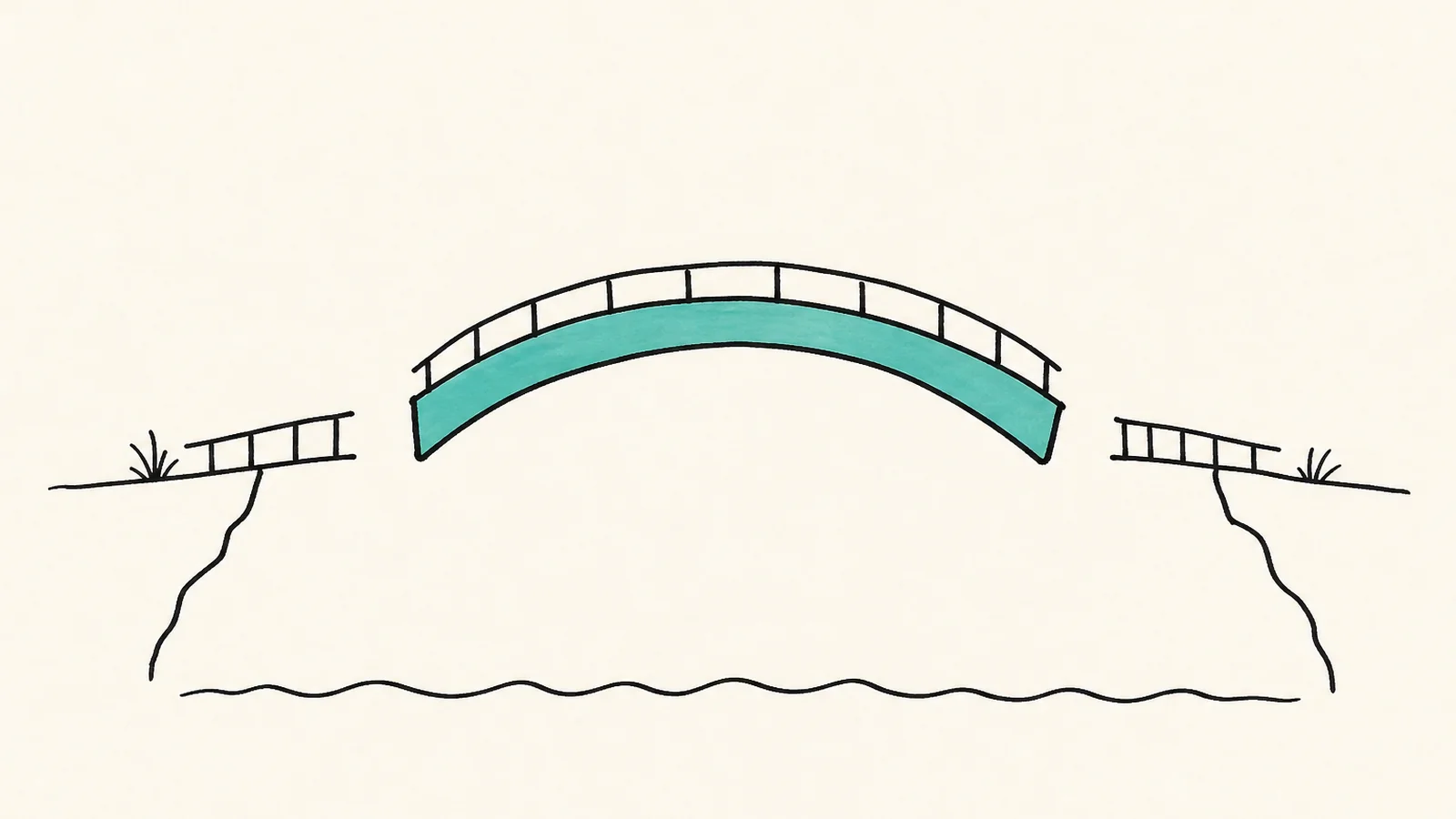
The pick is rarely what breaks. Decision failure tends to start earlier, in what nobody said they wanted, or later, in a choice no one carried out.
Inwitt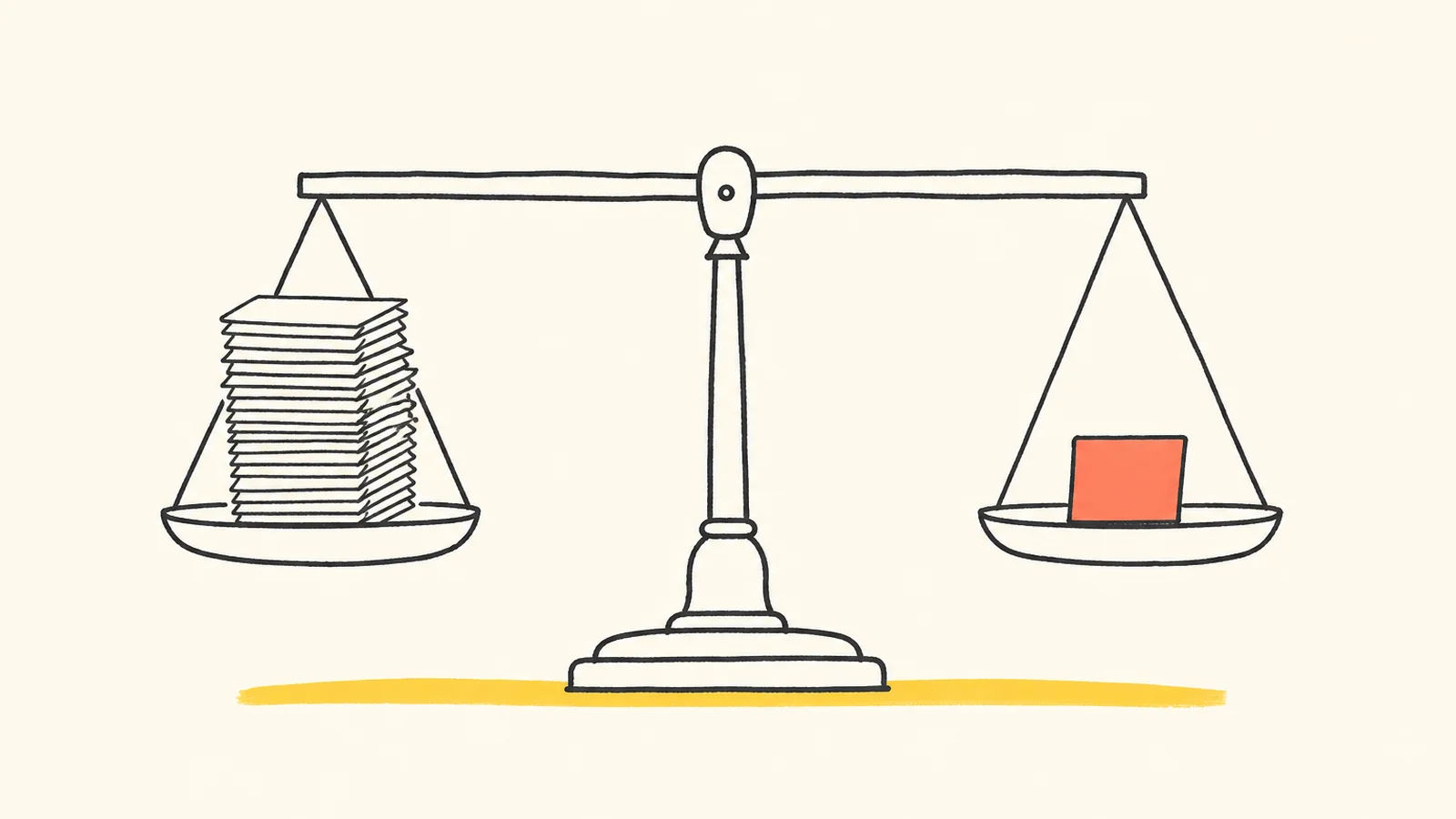
Meal plans clear only one pile. The decision fatigue moms feel also comes from choices that seem like a verdict on you, and no routine touches those.
Inwitt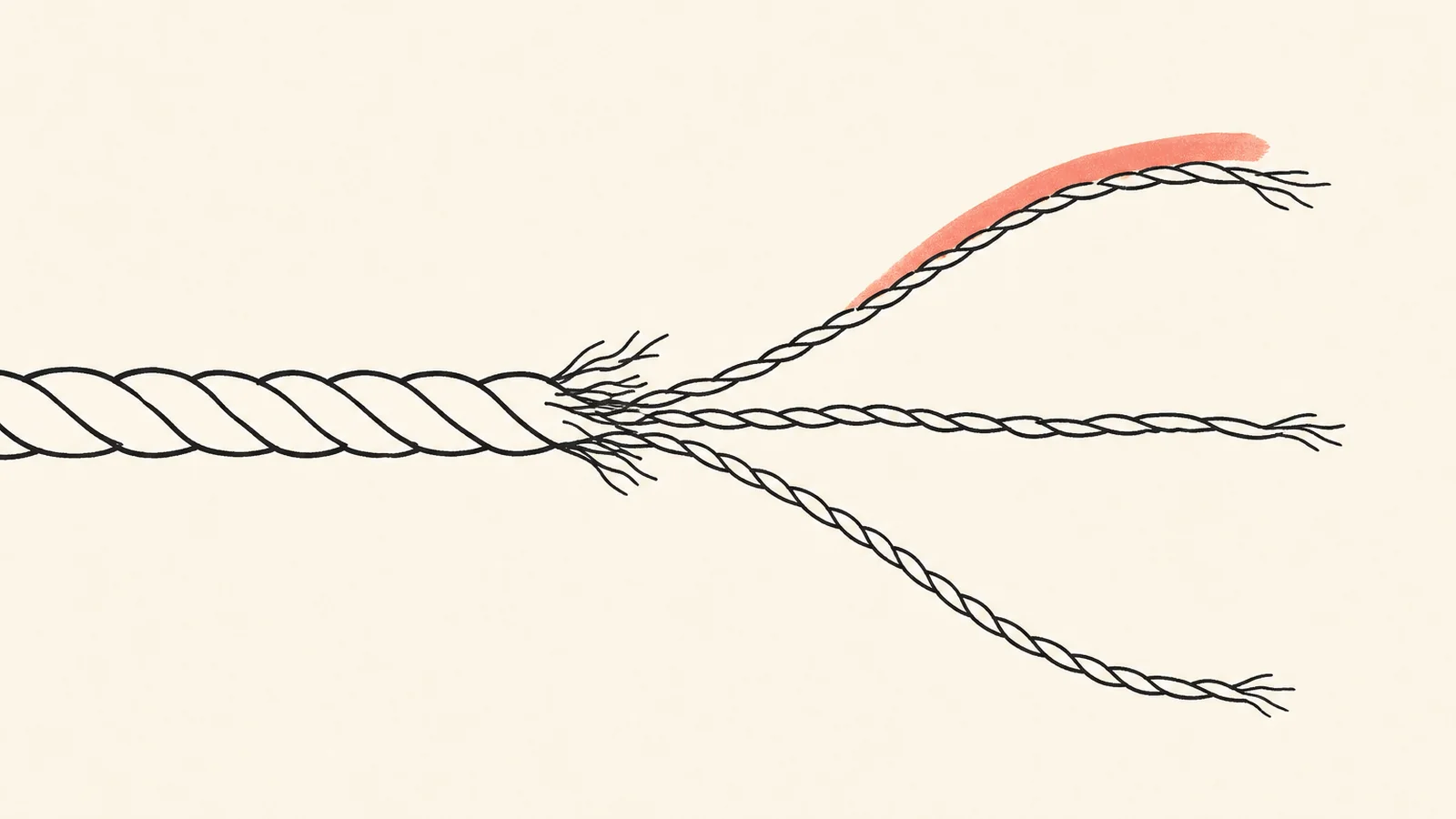
Three claims share one name. The decision fatigue definition psychology offers holds for the feeling, less for the effect, and least for the cause.
Inwitt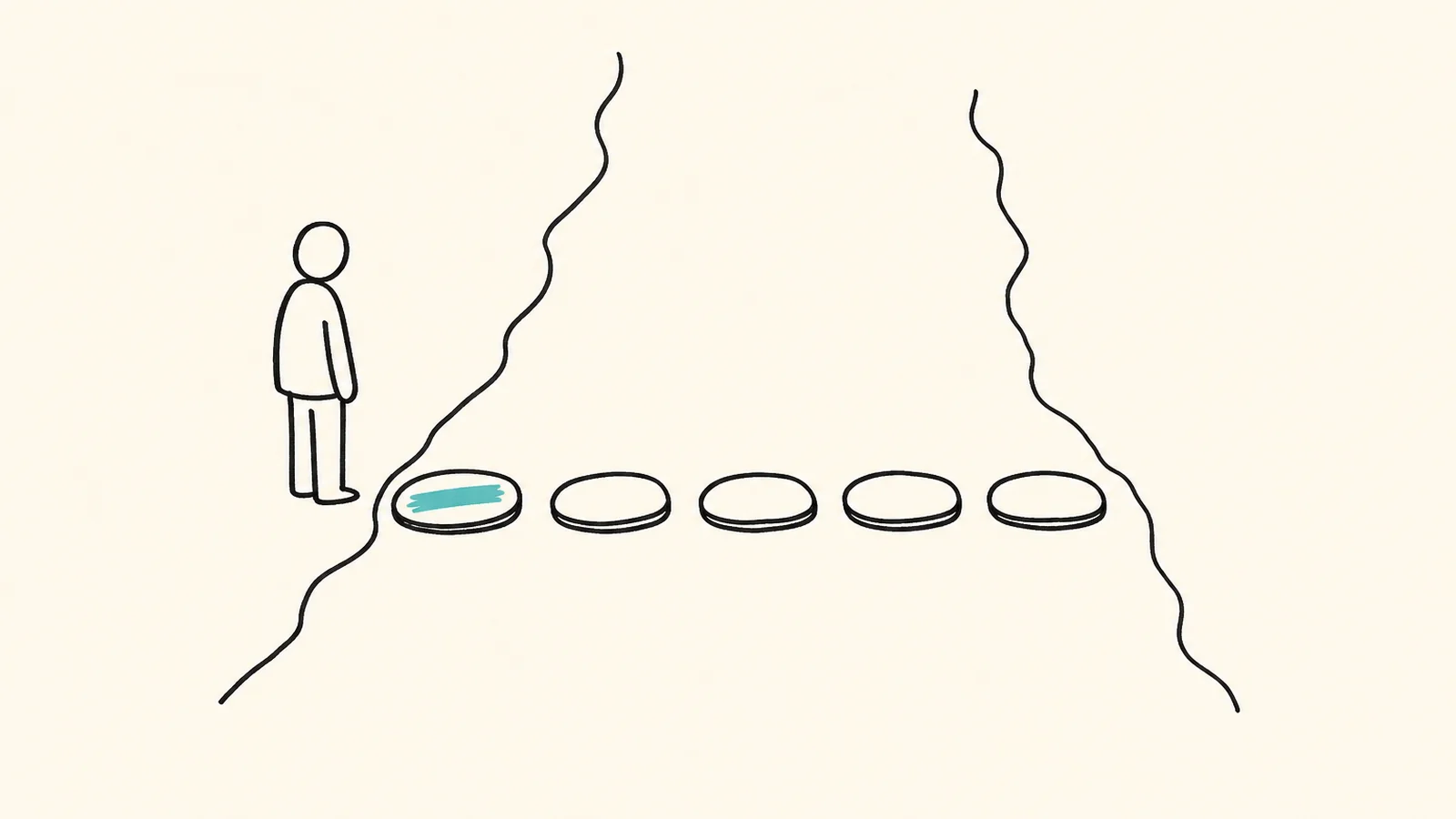
Breathing exercises rarely end it. Fear is paralyzing while the threat stays vague, and eases once you name the outcome and take a step that tests it.
Inwitt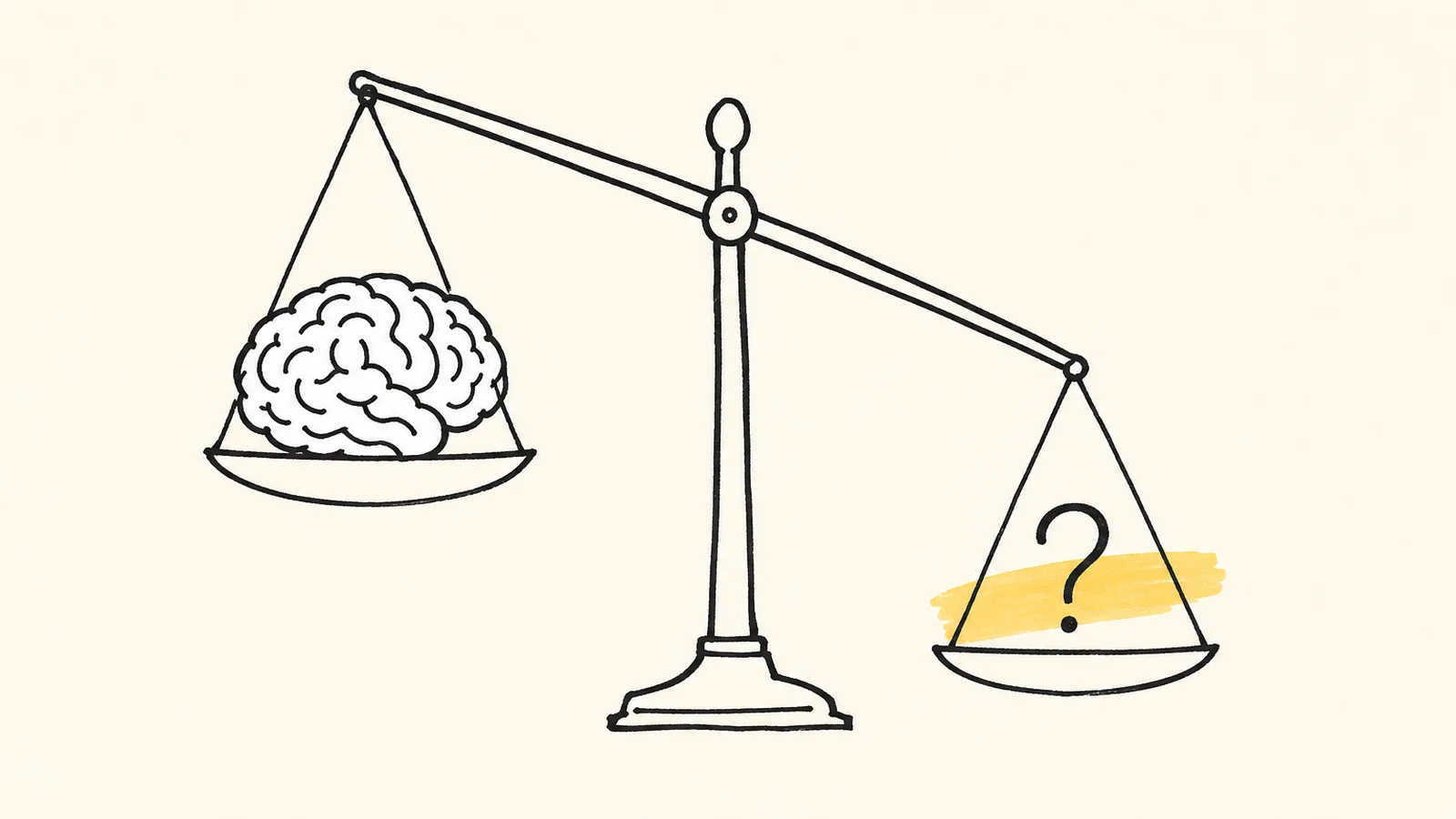
Benefit lists skip the hard part. Why is critical thinking important? Intelligence argues for what you want, and nobody marks your own choices.
Inwitt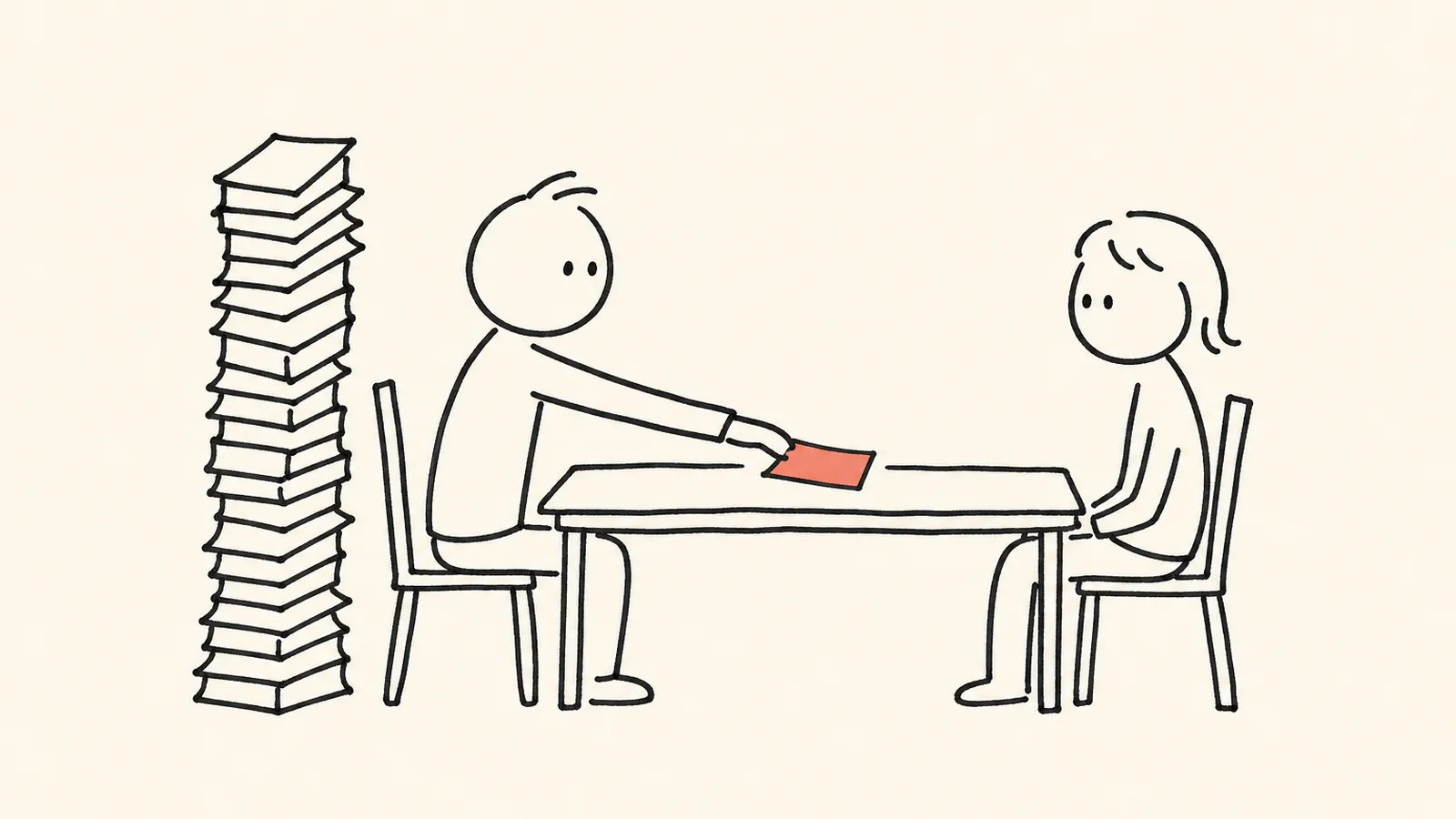
Taking turns to choose rarely helps. Decision fatigue in relationships builds in the noticing and follow-up around each pick, so hand over all of it.
Inwitt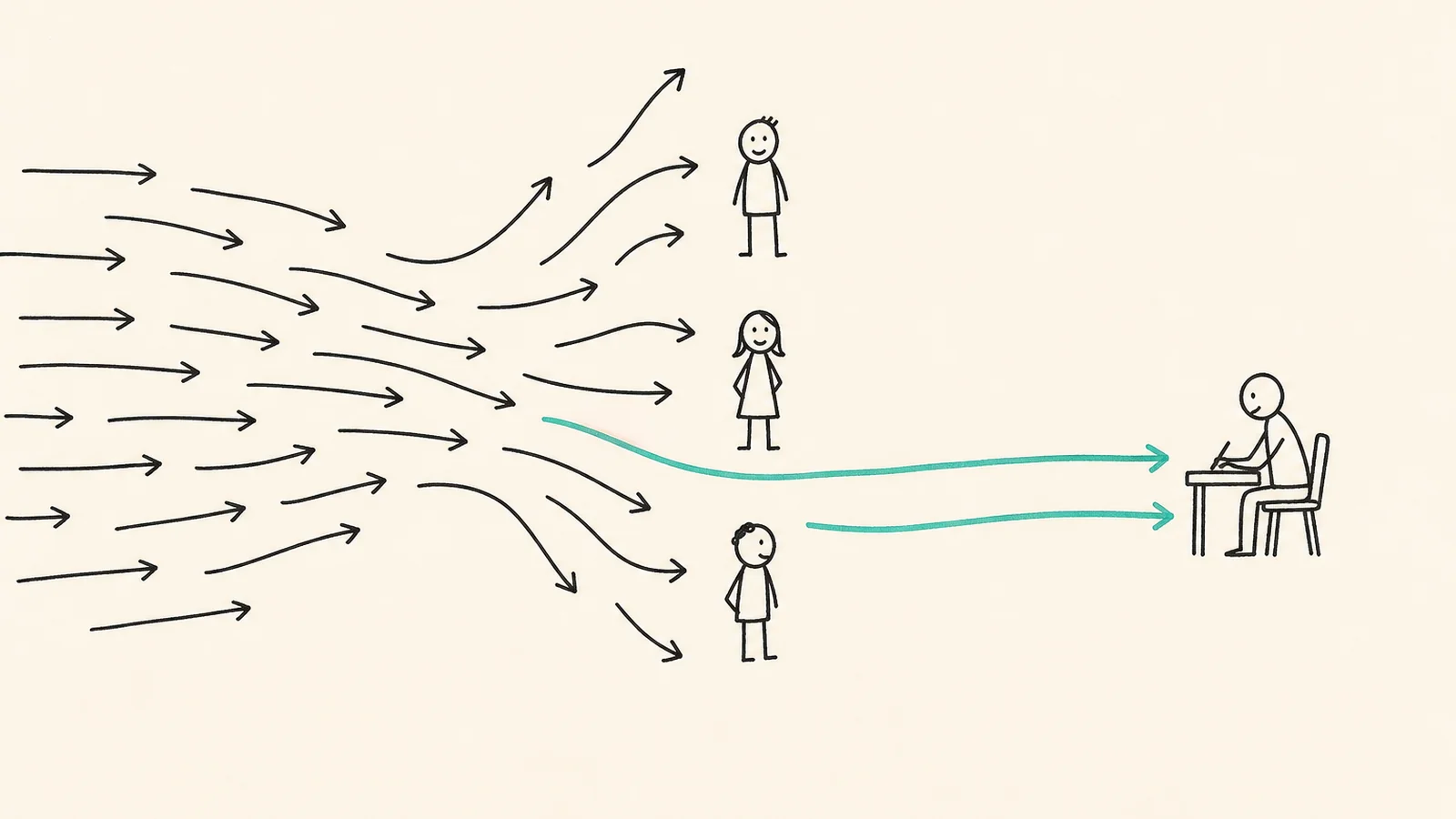
Delegating barely helps if the same calls keep routing back. Decision fatigue in business eases when each decision has a door test and an owner.
Inwitt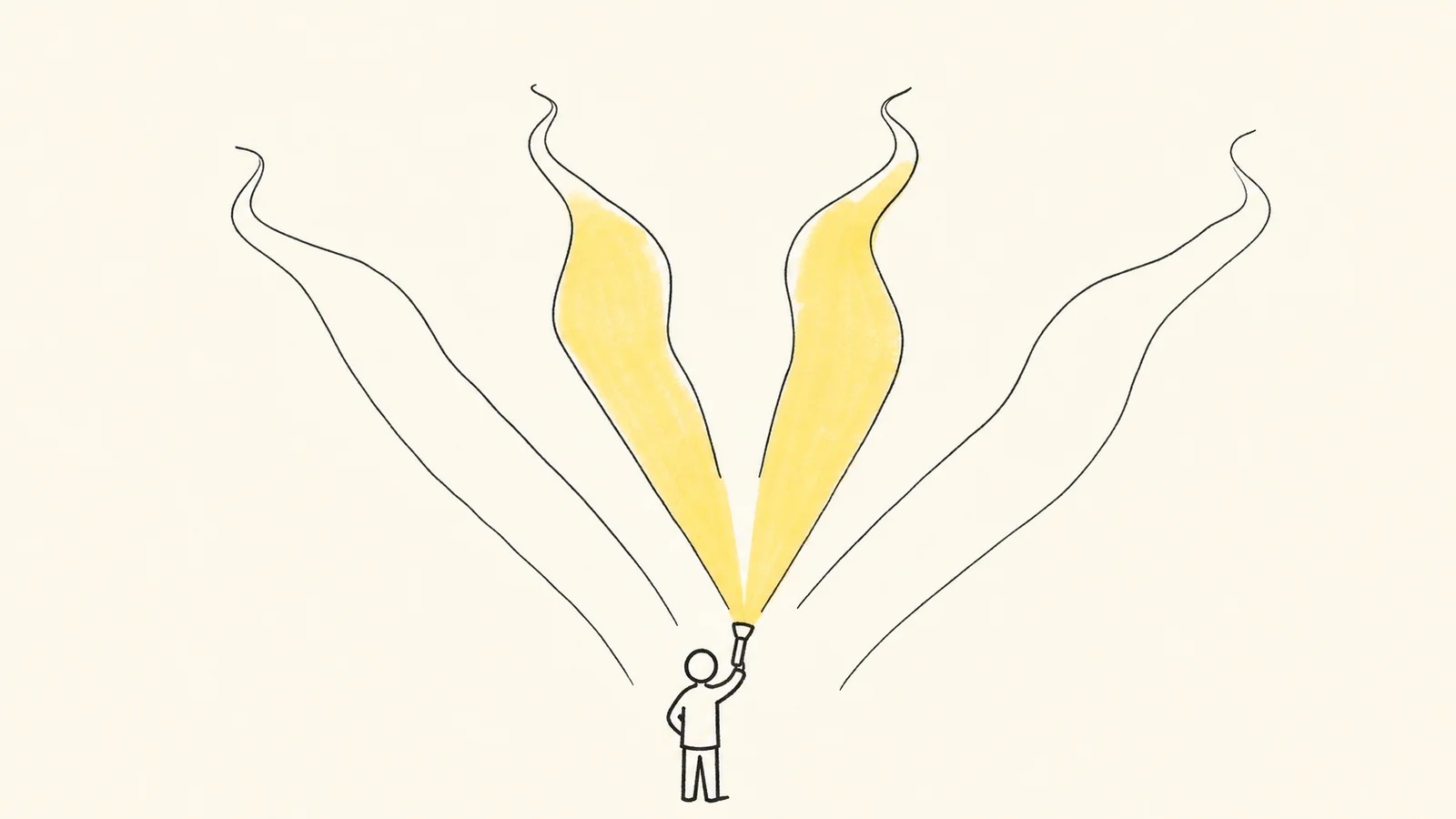
Stress rarely ruins a choice outright. How do stress and mental wellness struggles affect decision making? Four quiet tilts, each with a check.
Inwitt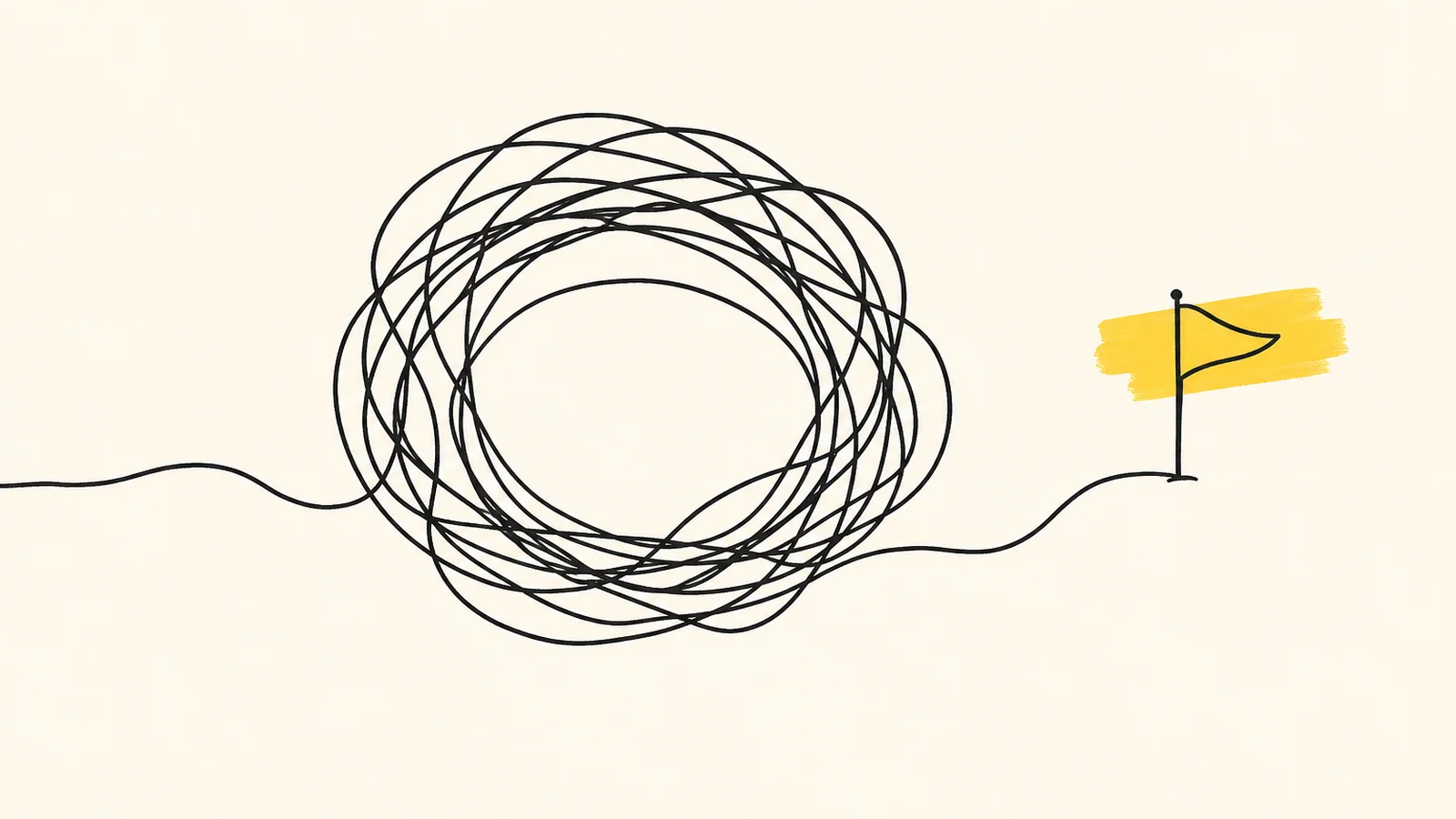
Overthinkers rarely lack ideas. They hold two beliefs about their own thinking, that it helps and that it cannot stop, and each one can be tested.
Inwitt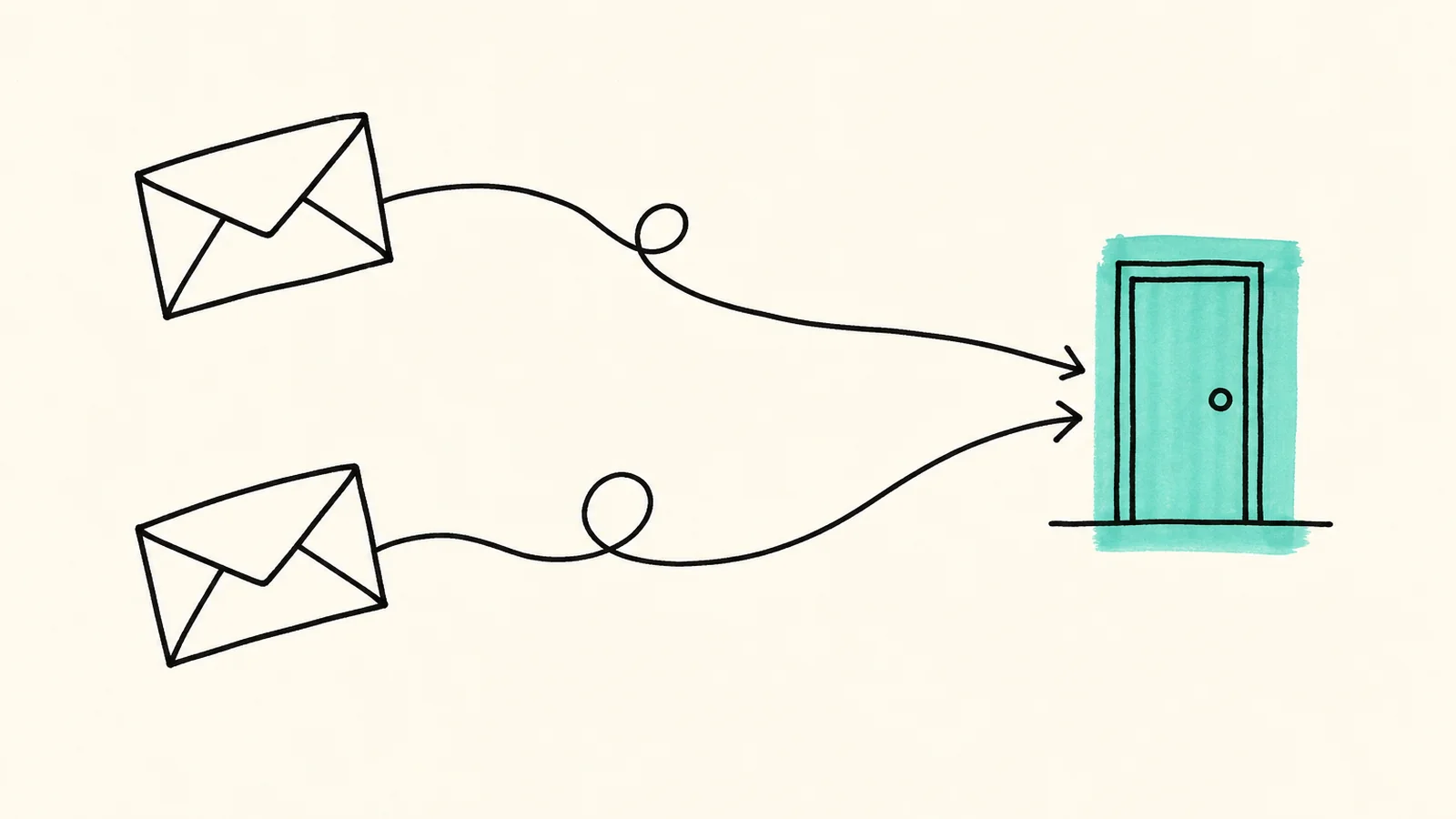
The fact you are waiting for would usually leave you choosing the same thing. Analysis paralysis ends when you ask what each answer would change.
Inwitt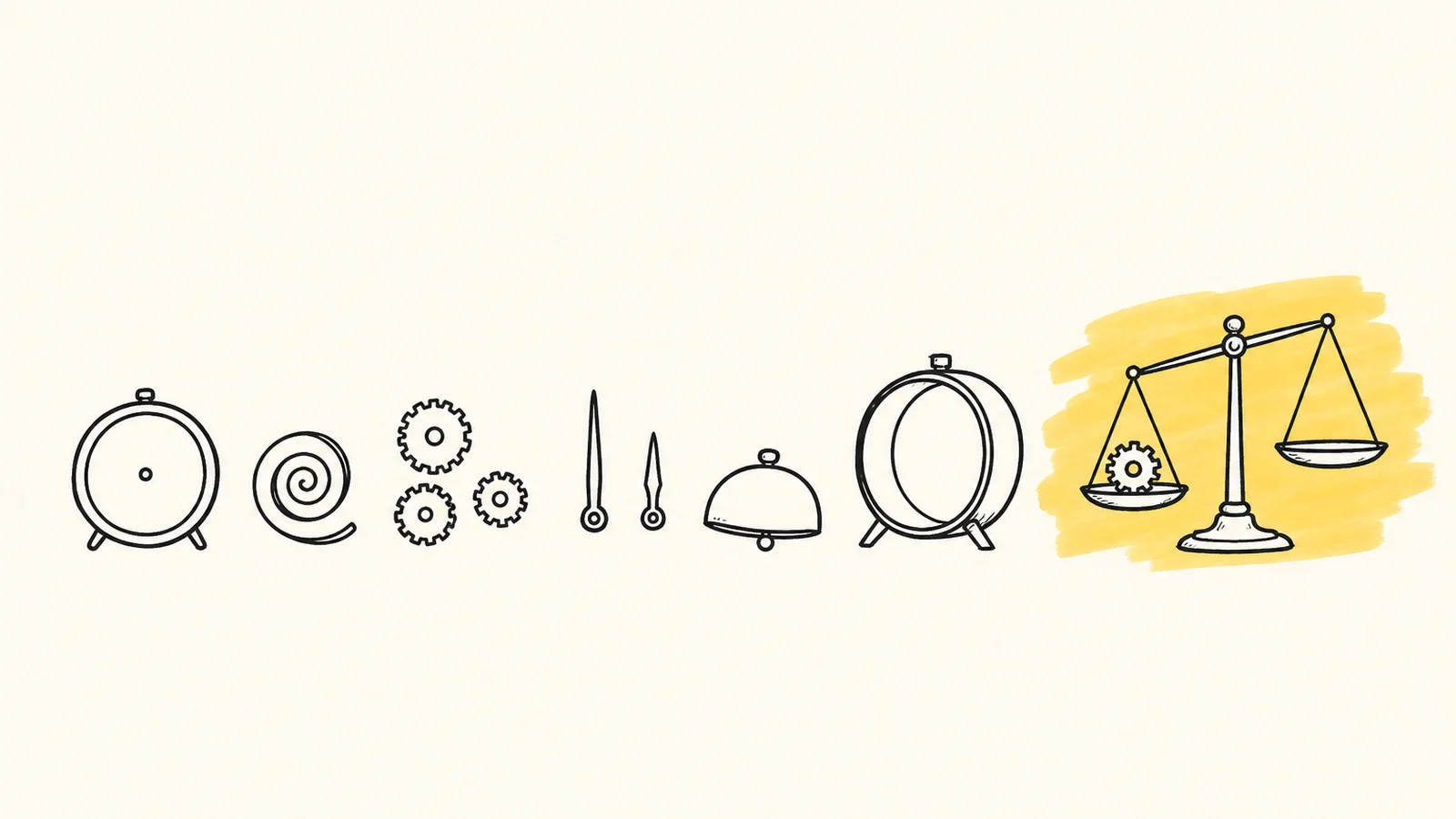
A full breakdown can still leave you undecided. Analysis and critical thinking part ways at the verdict, and one question keeps that verdict honest.
Inwitt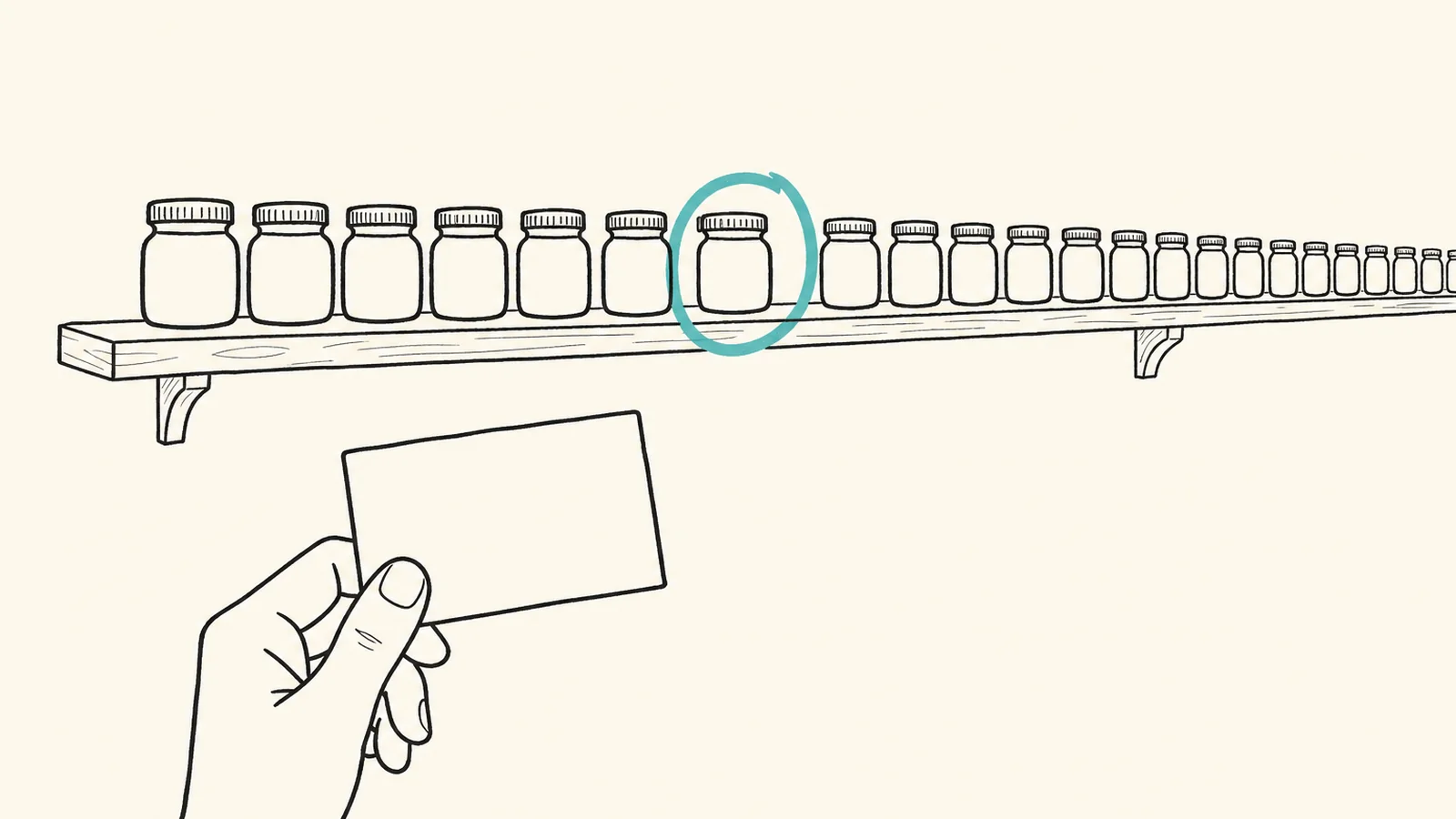
The usual advice cuts the list. Research on feeling overwhelmed by choices points to an earlier step: saying what you want before you look.
Inwitt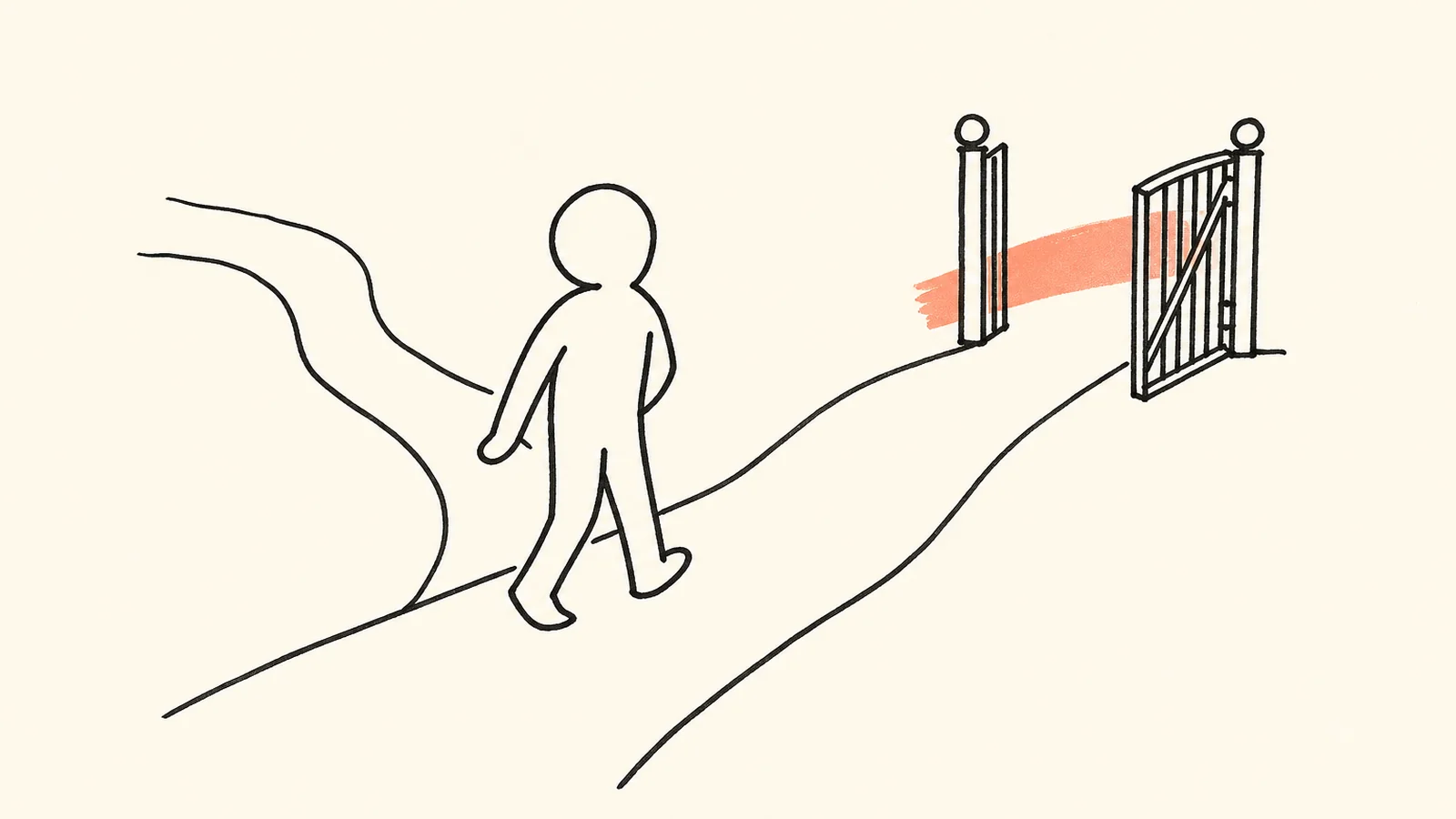
Each replay asks three questions at once, so regretting decisions turns into a loop. Take them in order: luck or choice, what is open, what to change.
Inwitt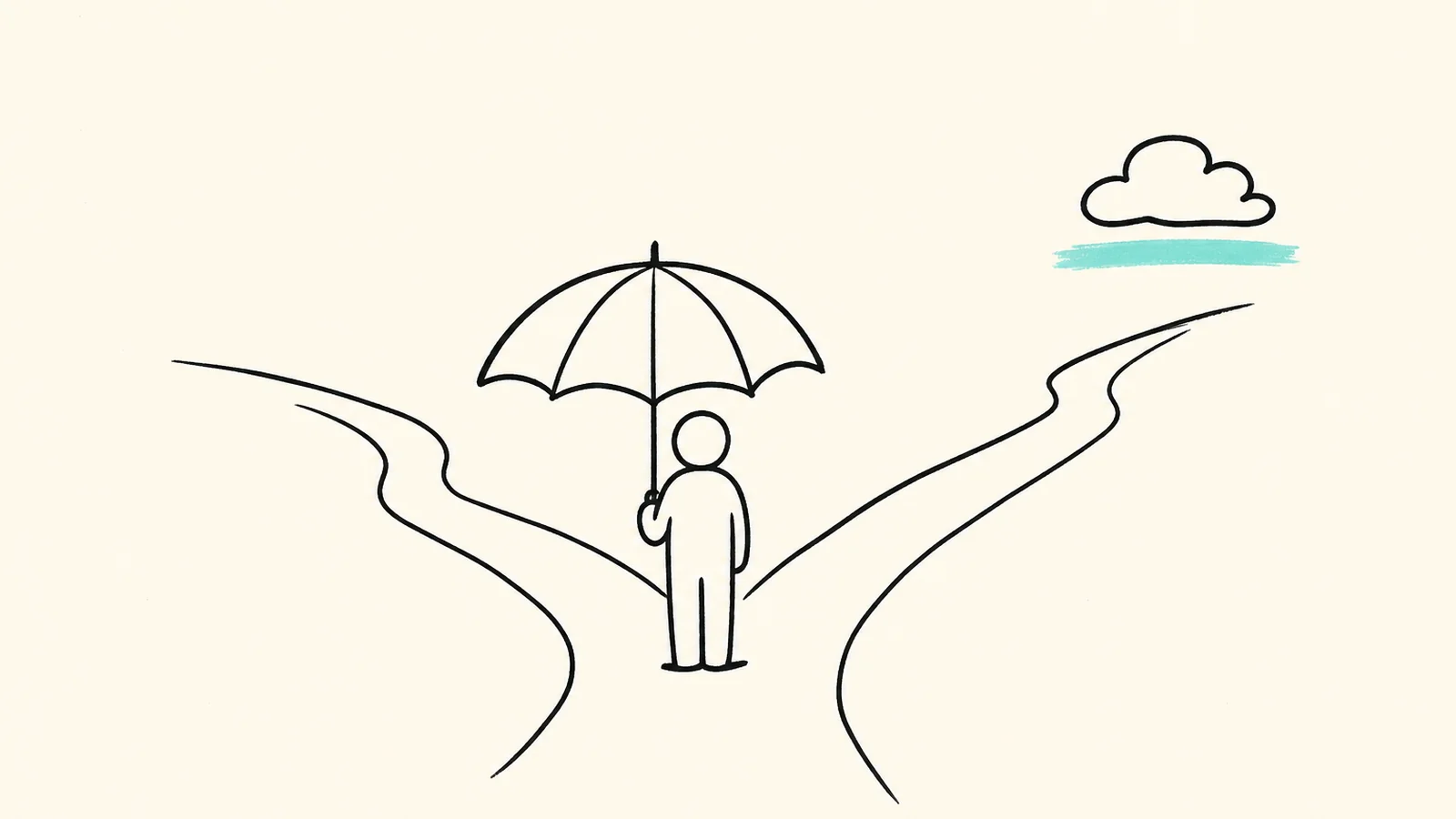
Most advice treats anticipated regret as one feeling. It holds two: the outcome luck decides, and the self-blame you can shrink before choosing.
Inwitt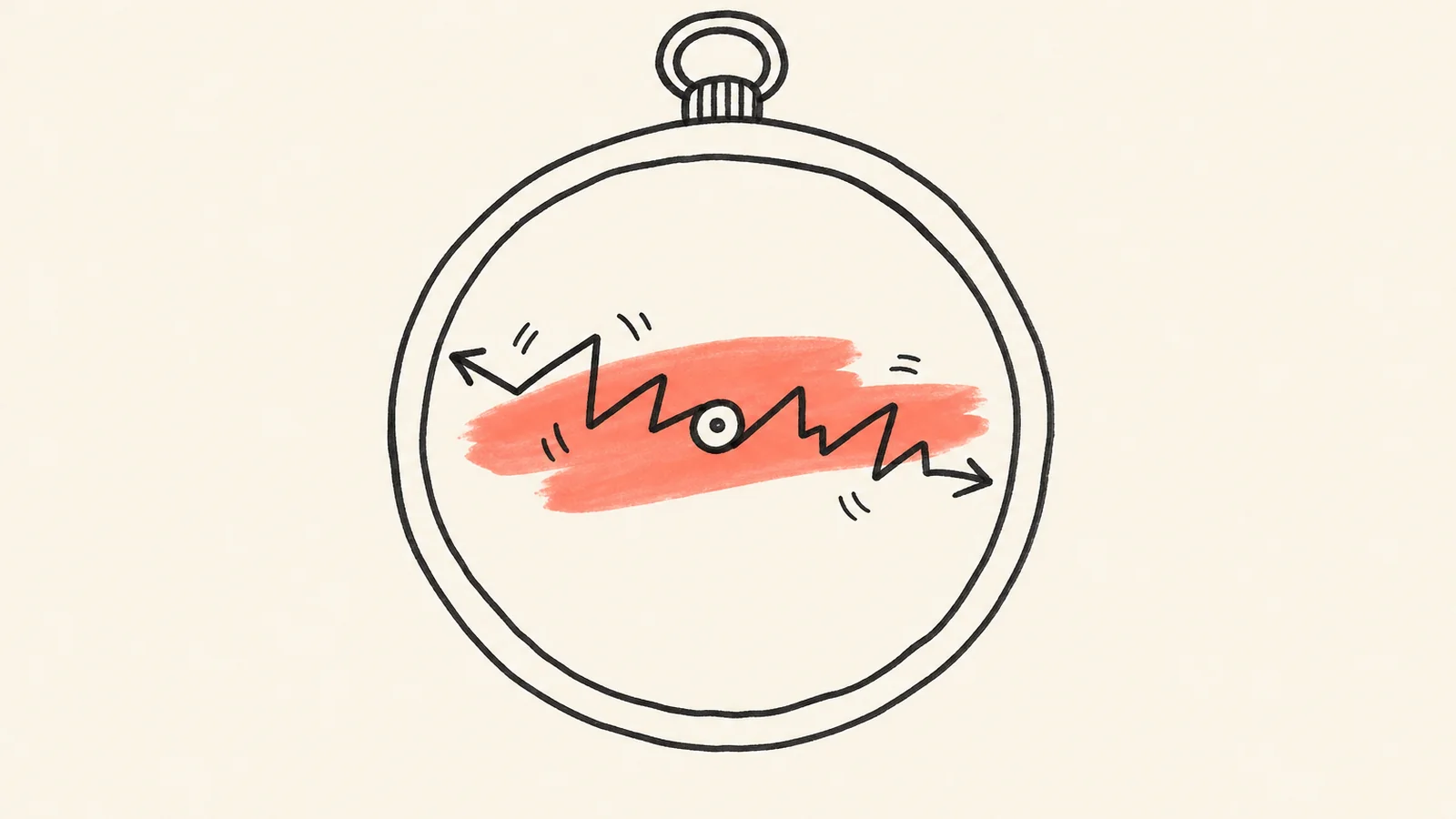
Feeling at ease is not the goal. Decision anxiety turns harmful when it guesses the risk, the options and the time left, and nobody checks the guess.
Inwitt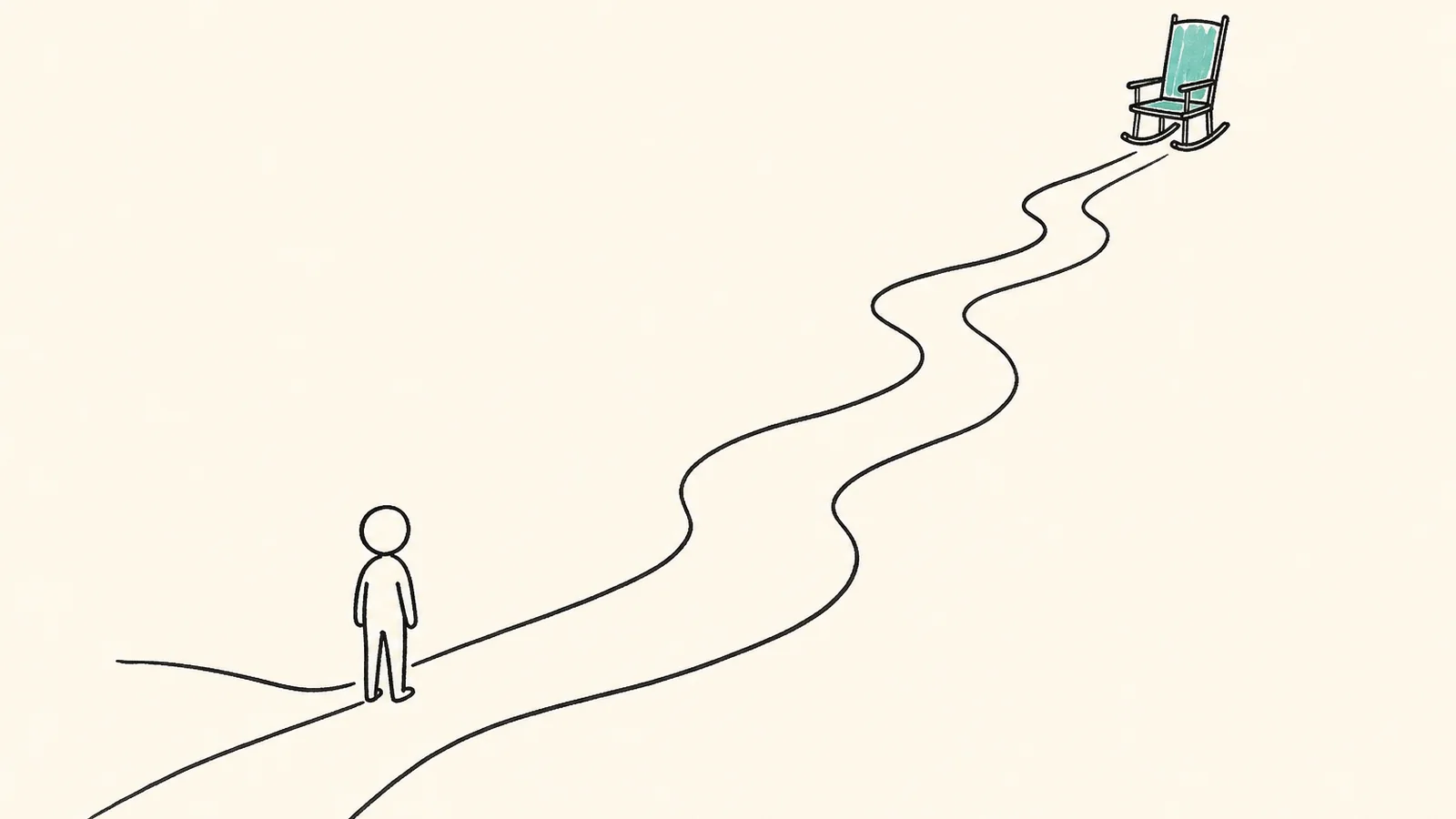
Picture yourself at 80 and one regret looks vivid. The regret minimization framework works only when the regret of trying badly is just as clear.
Inwitt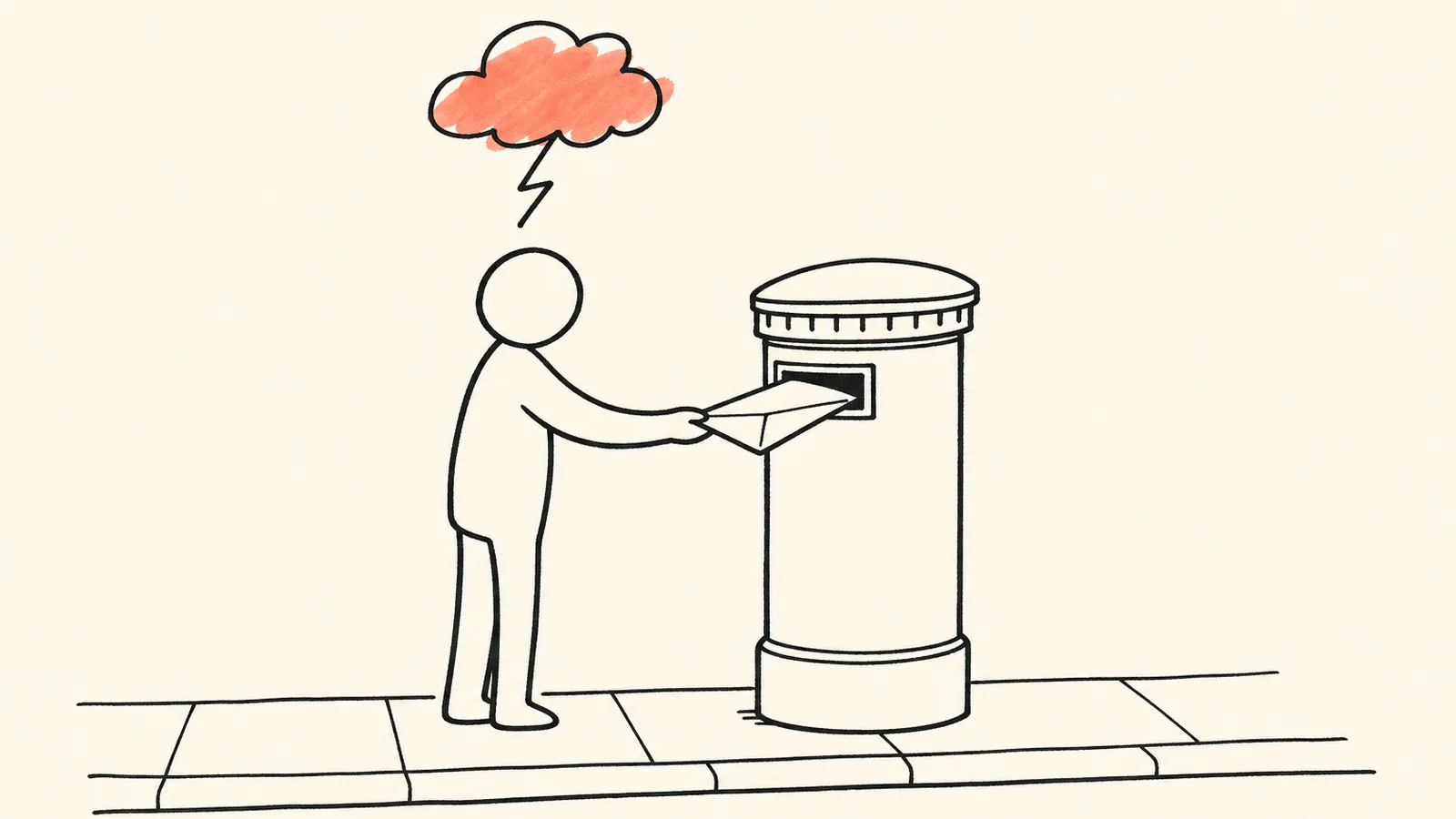
Speed is not what makes a choice rash. In rash decision making, a passing mood signs off on something lasting, and good moods sign as well as bad.
Inwitt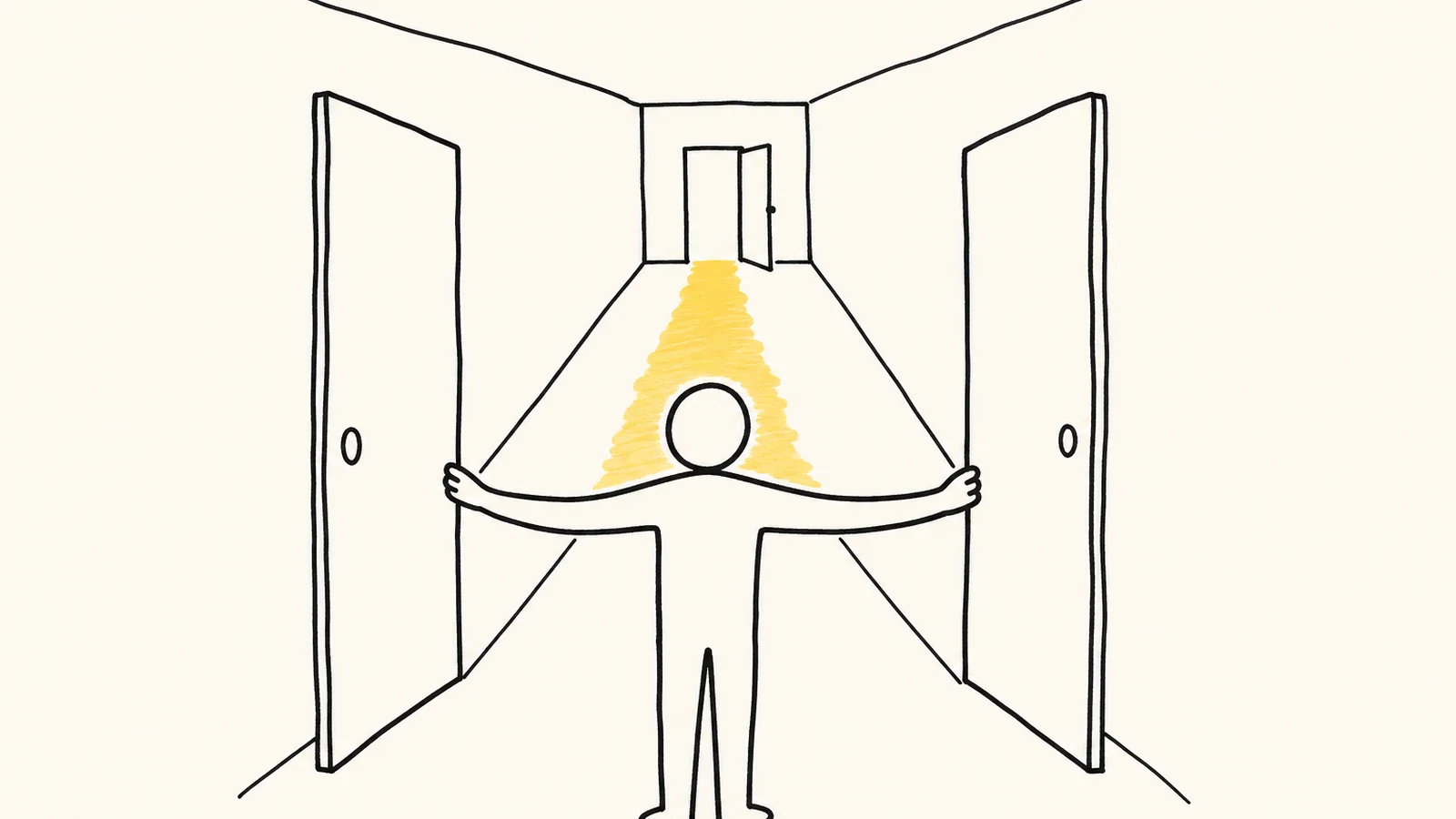
Most advice blames fear or too many options. When you can't make a decision, it is usually waiting on one missing piece, and each has its own exit.
Inwitt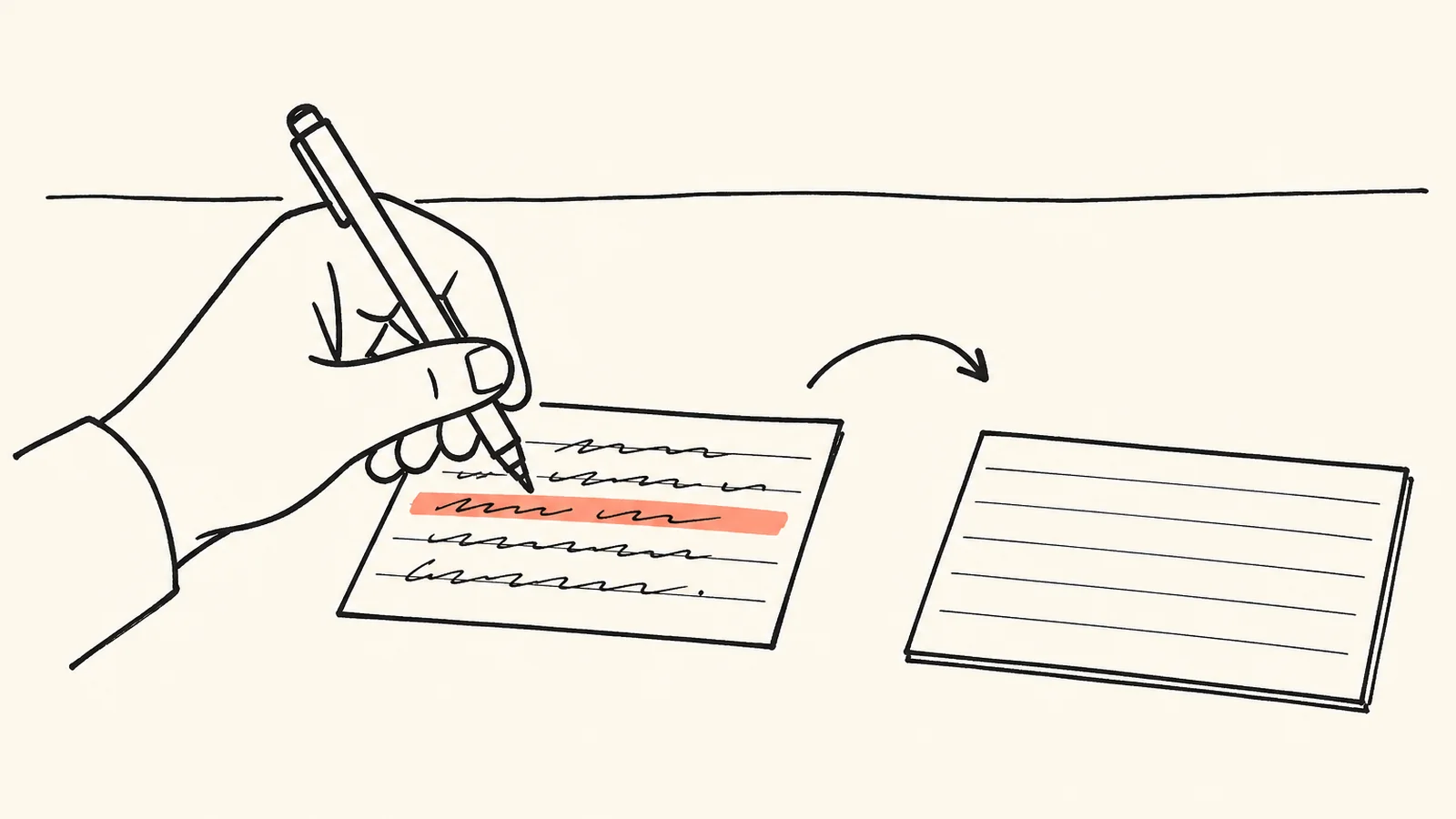
Using AI a lot is not the problem. Over reliance on AI means accepting answers you had nothing to check against, and the fix is about order.
Inwitt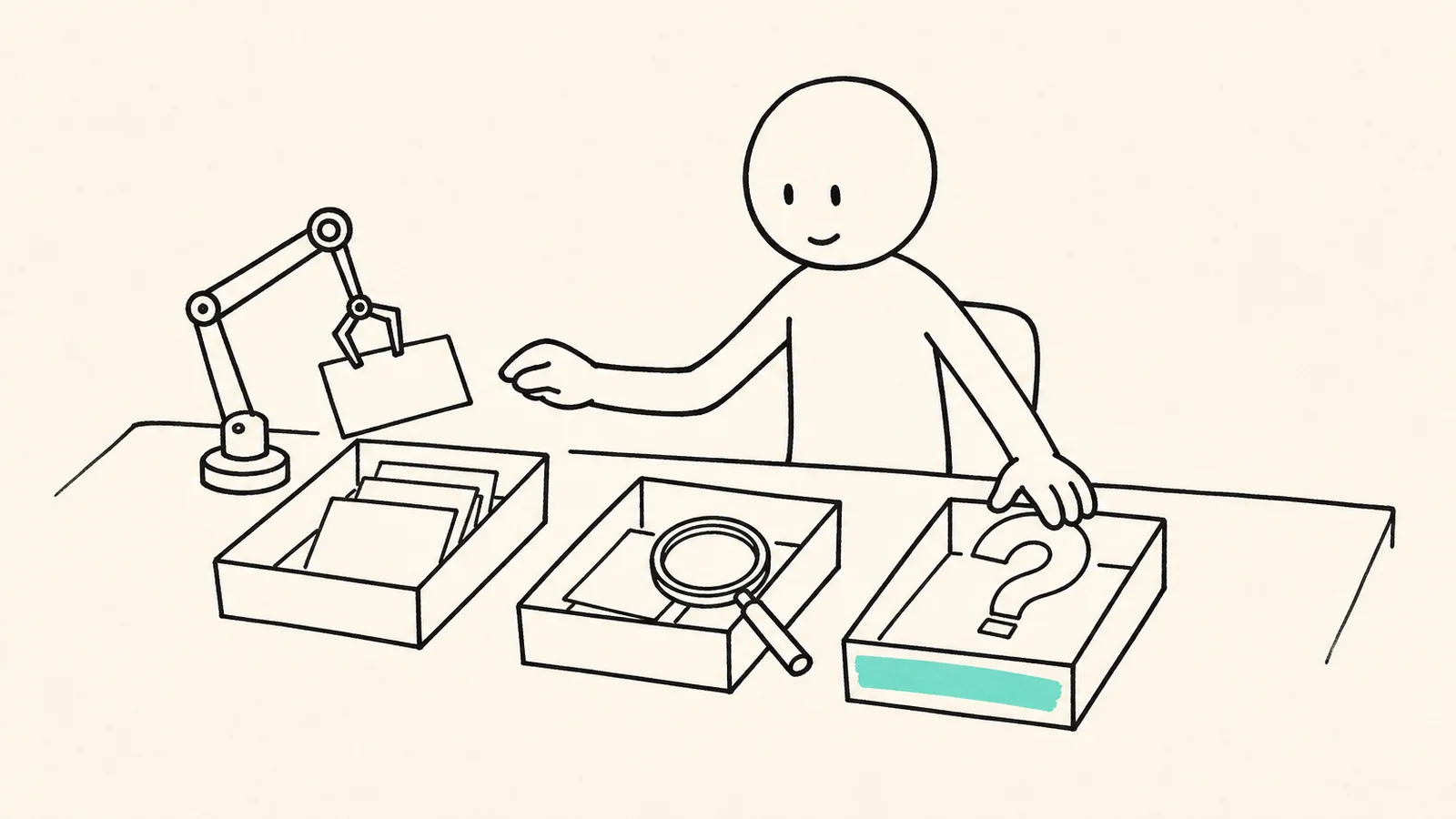
Most lists sort the best ways to use AI by where you are. Sorting by what you need to keep shows which uses build a skill and which wear it down.
Inwitt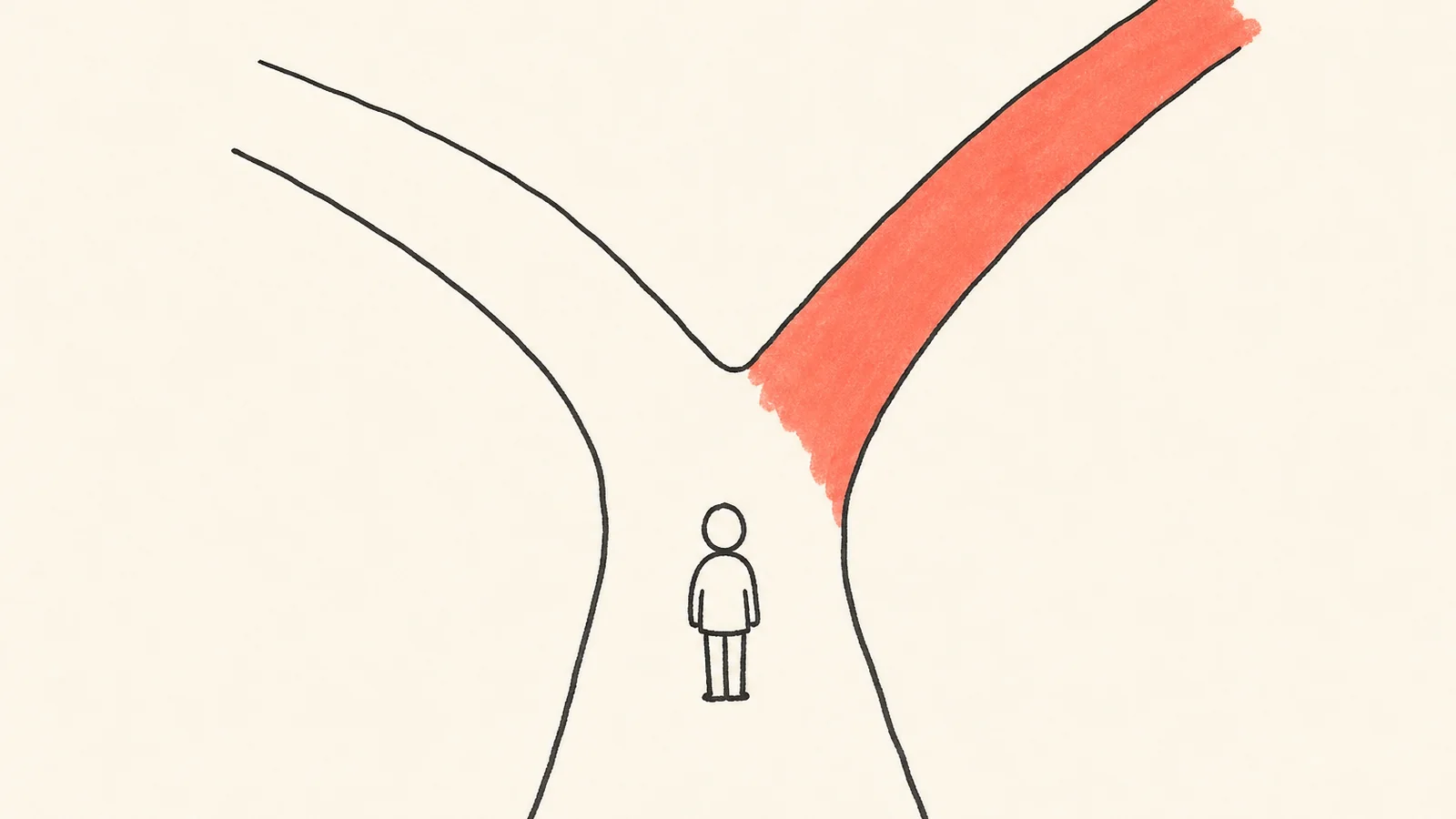
Waiting feels neutral. What happens when you do not make a decision is that a default, a deadline or someone else makes it, one closure at a time.
Inwitt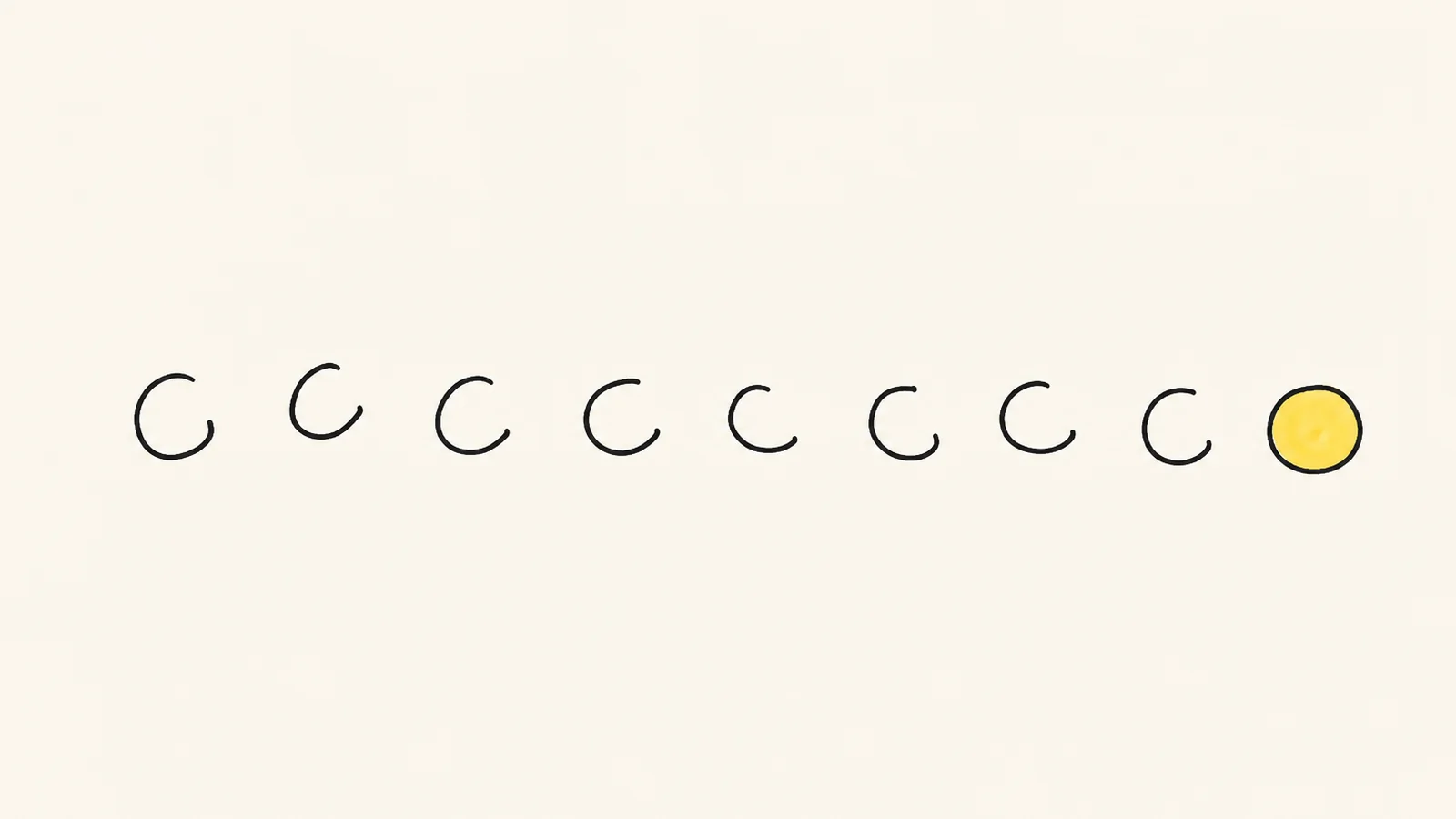
Fewer small choices barely dent it. How to manage decision fatigue when the real drain is one open decision you keep reopening all day.
InwittMost lists describe a personality. The signs of poor decision making worth having are facts about how a choice got made, checkable after the fact.
Inwitt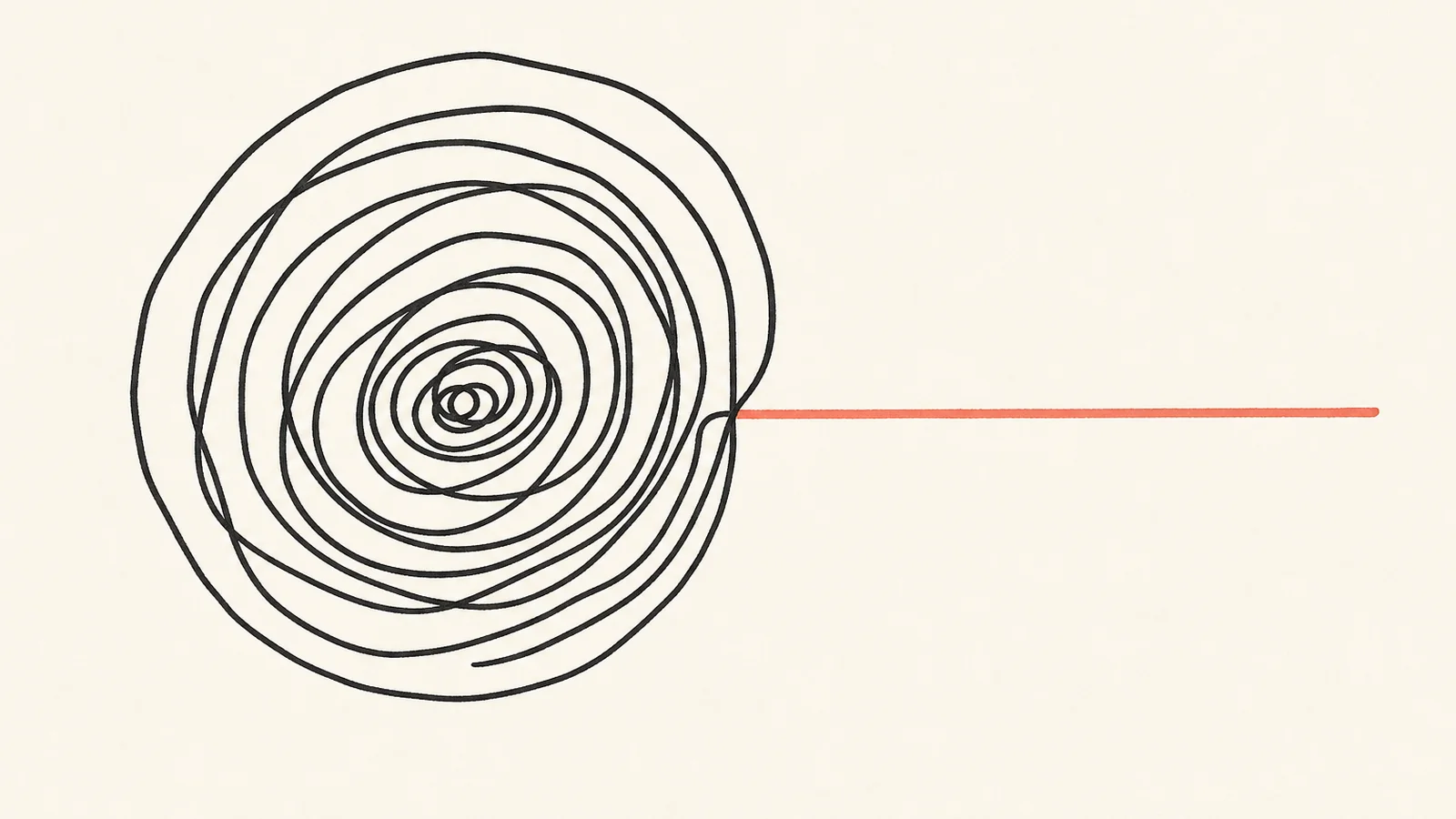
The hours are not the problem. Overanalyzing is analysis that never agreed on what would settle the question, so it ends in exhaustion instead.
Inwitt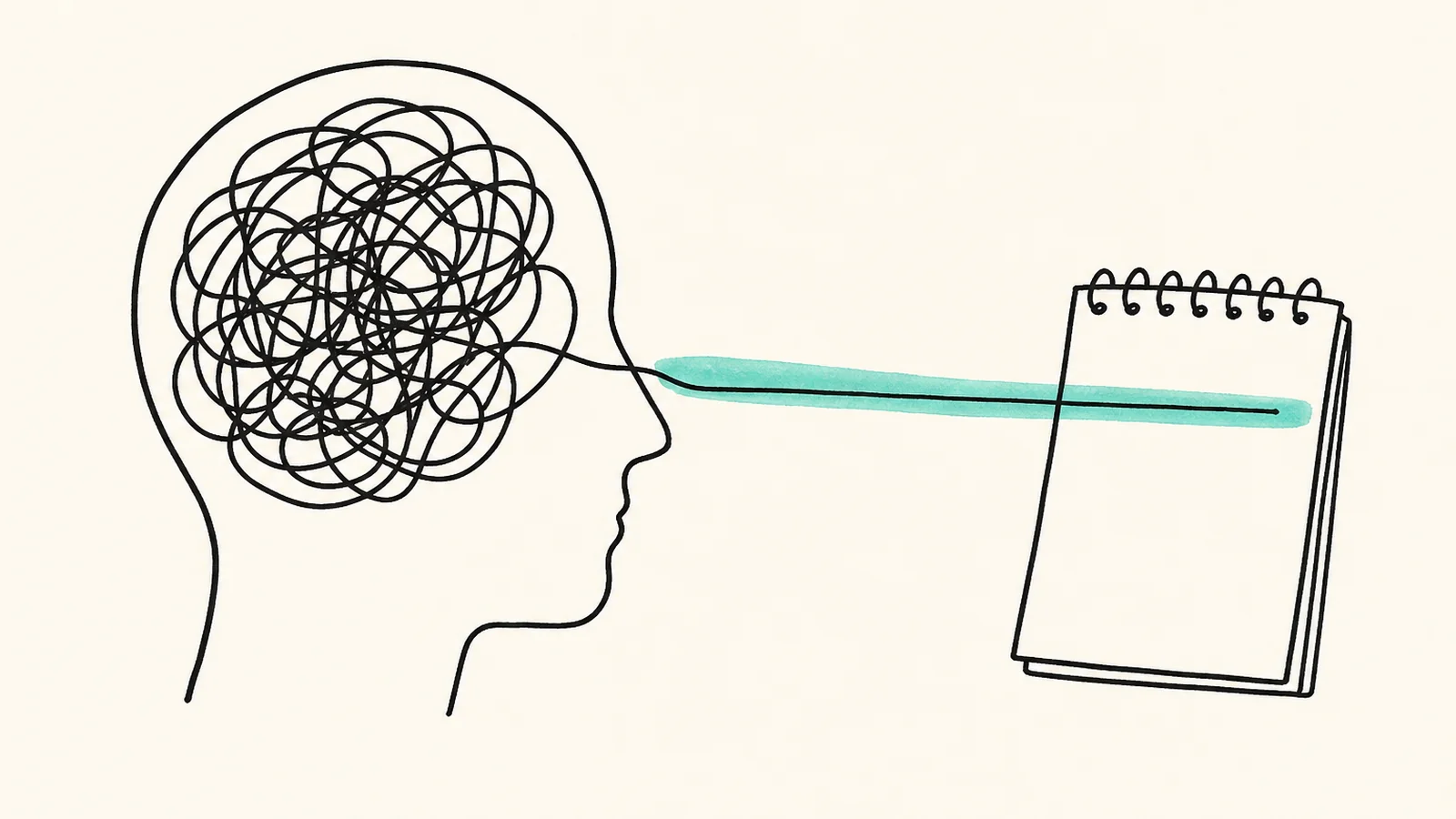
Grounding helps you get out of your head for ten minutes. Sorting the loop on paper gets you out for good. Which exit fits which thought, and why.
Inwitt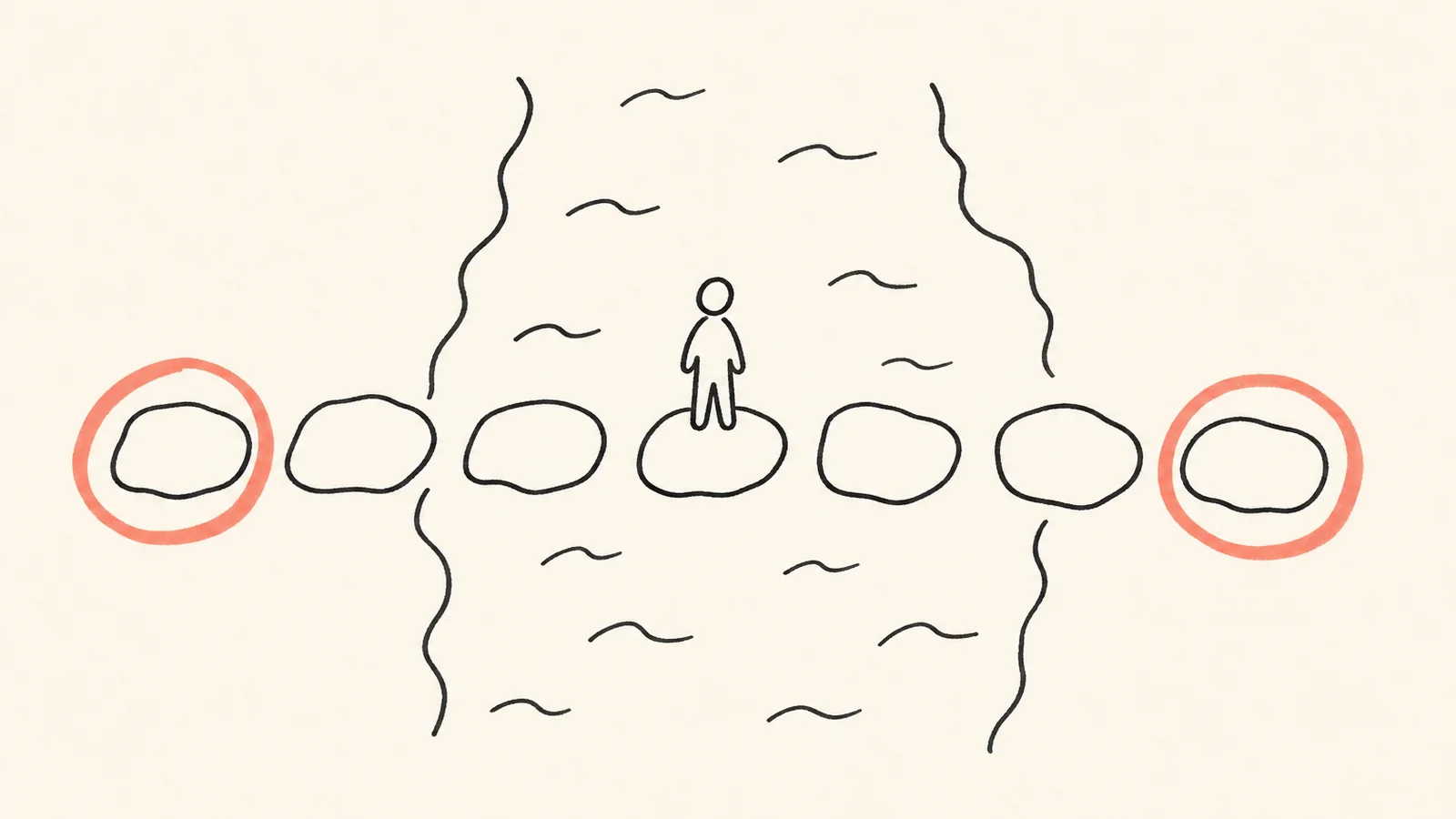
Every list of the 7 steps of critical thinking gives seven verbs. Here each step is a question with a written output and a test that it is done.
Inwitt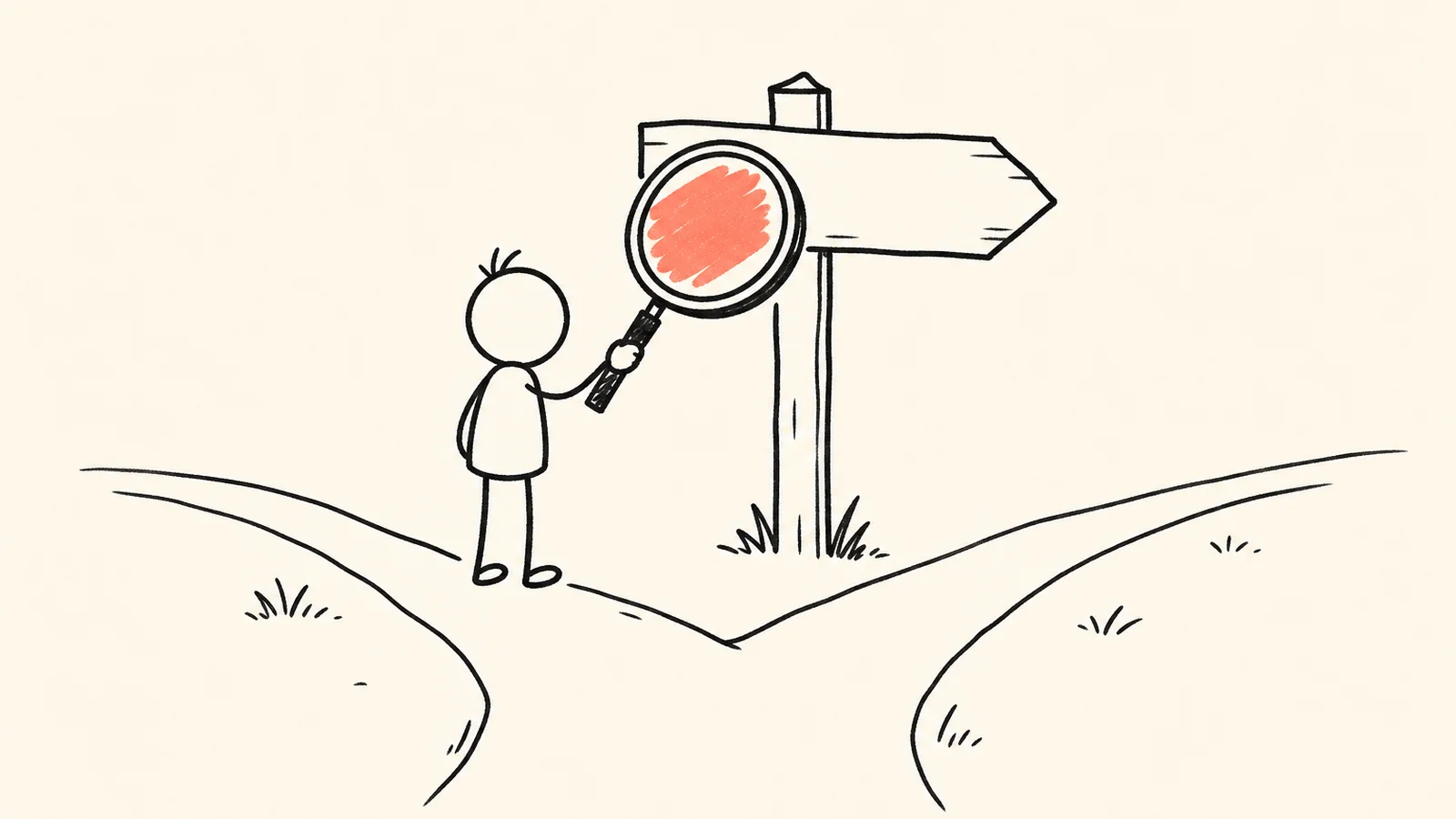
Most critical thinking with examples pages show a scene and a happy ending. Six situations shown as the move itself: belief, question, result.
Inwitt