Best ways to use AI, sorted by who does the thinking
Most lists sort the best ways to use AI by where you are. Sorting by what you need to keep shows which uses build a skill and which wear it down.
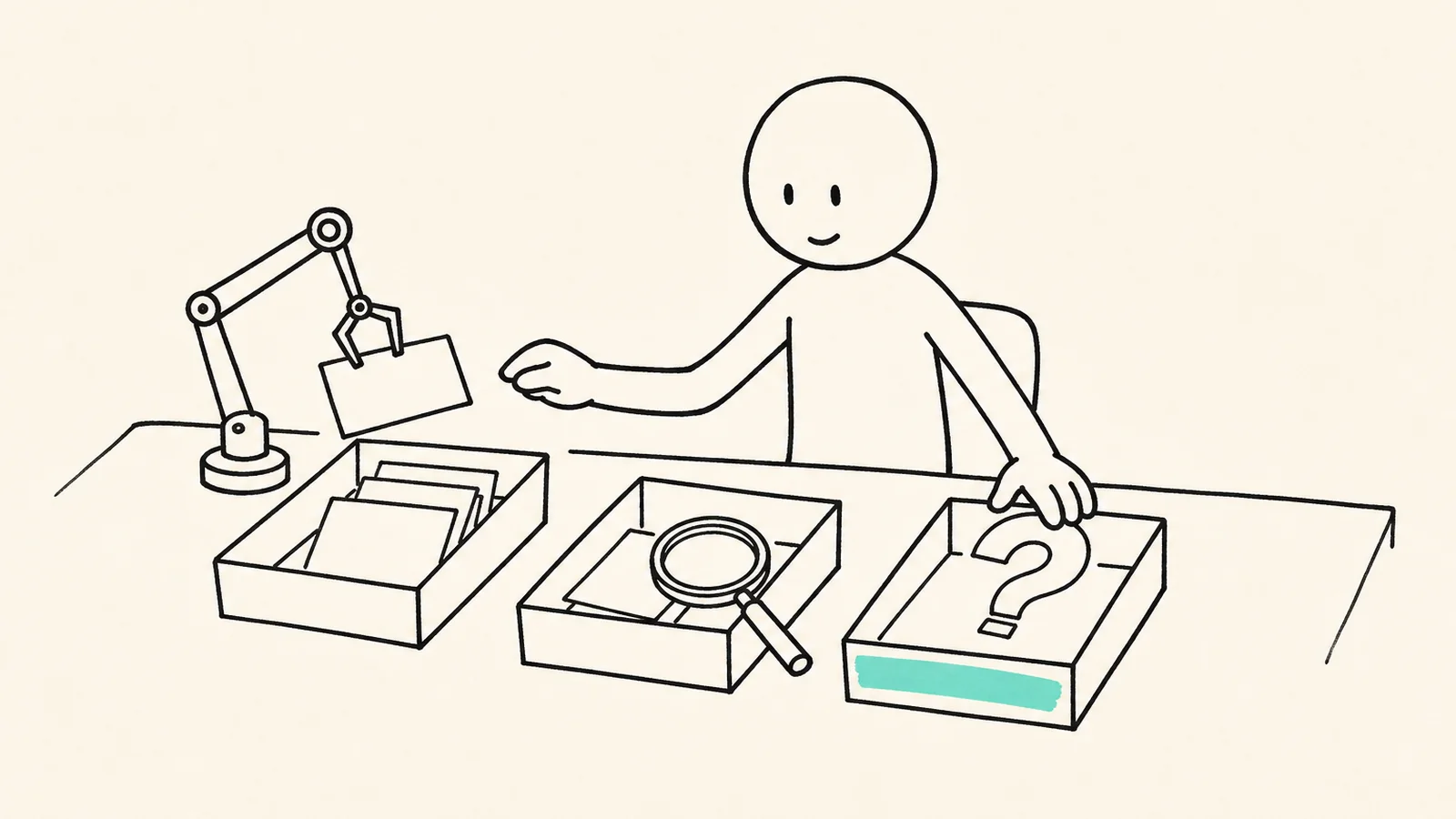
Notes on thinking clearly, deciding well, and why a good question beats a fast answer.
Most lists sort the best ways to use AI by where you are. Sorting by what you need to keep shows which uses build a skill and which wear it down.
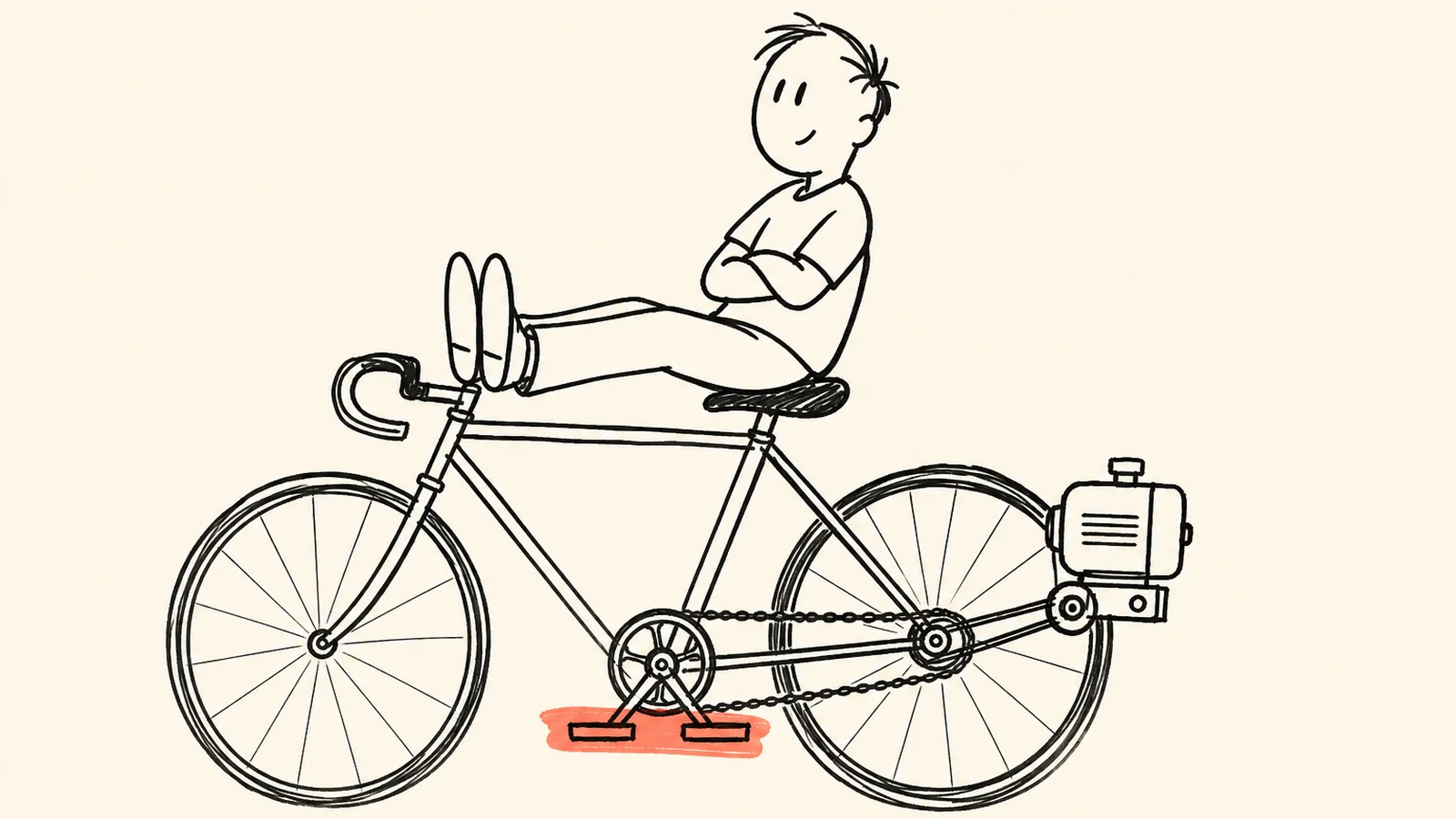
Trials from 2026 suggest GenAI is making us dumber only at skills we stop practicing, and ten minutes of taking its answers is enough to show it.
 Inwitt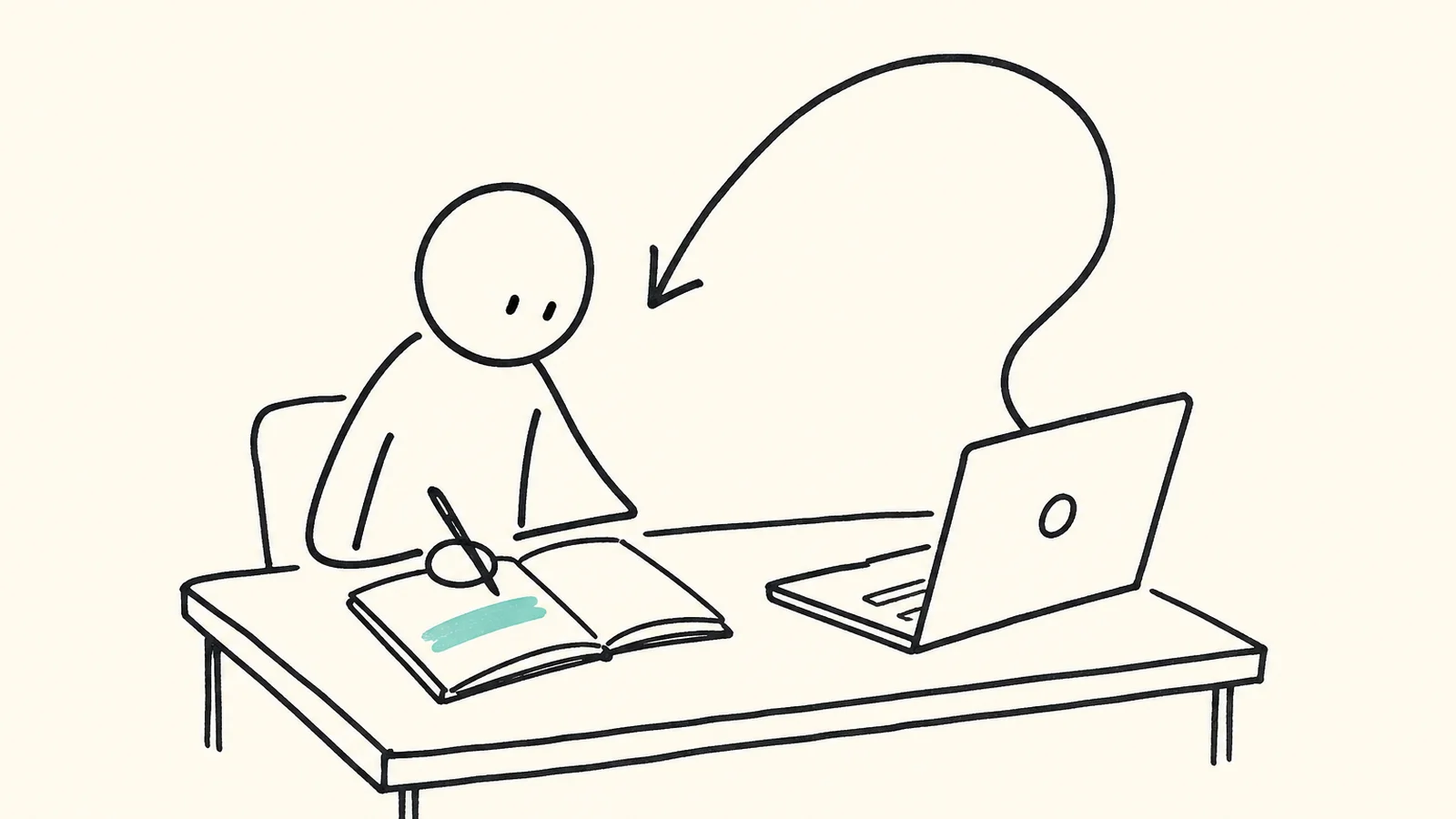
Most advice on AI and critical thinking says it depends how you use it. Three 2025 studies name the variable: who ends up doing the reasoning.
Inwitt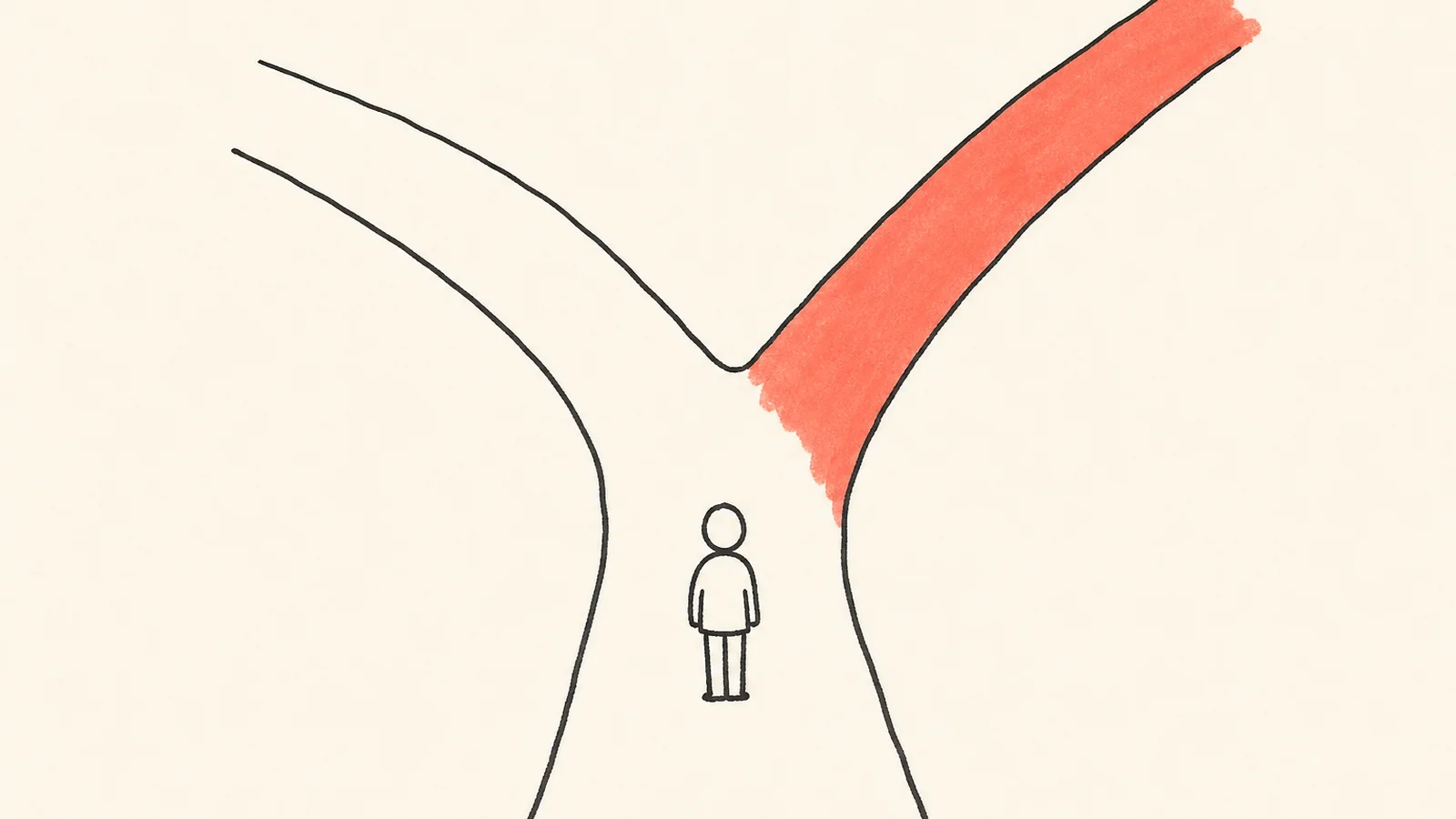
Waiting feels neutral. What happens when you do not make a decision is that a default, a deadline or someone else makes it, one closure at a time.
Inwitt
Fewer small choices barely dent it. How to manage decision fatigue when the real drain is one open decision you keep reopening all day.
InwittMost lists describe a personality. The signs of poor decision making worth having are facts about how a choice got made, checkable after the fact.
Inwitt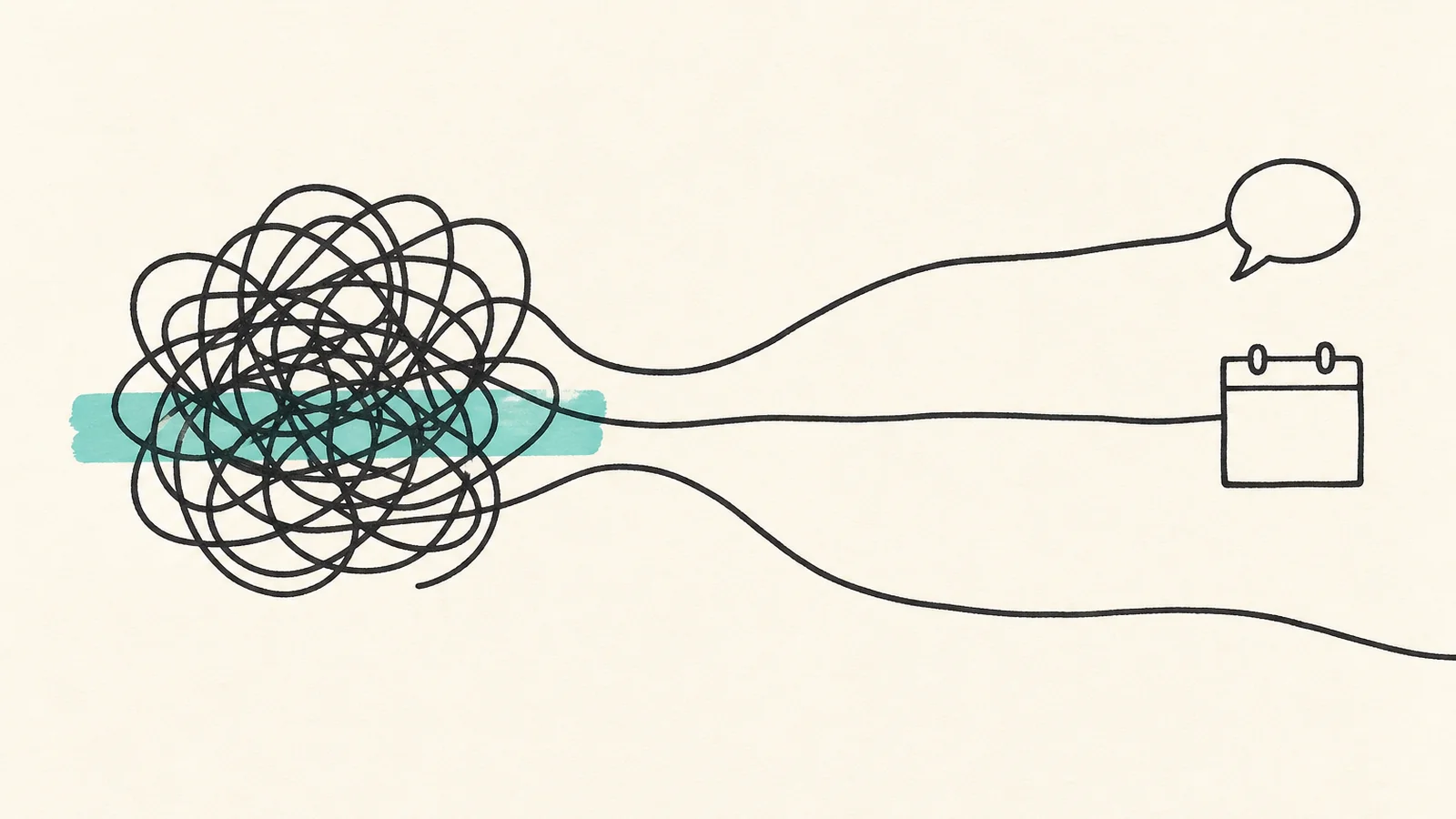
Most guidance on how to stop overthinking in a relationship tries to quiet the thought. Sorting it by who could answer it ends it faster.
Inwitt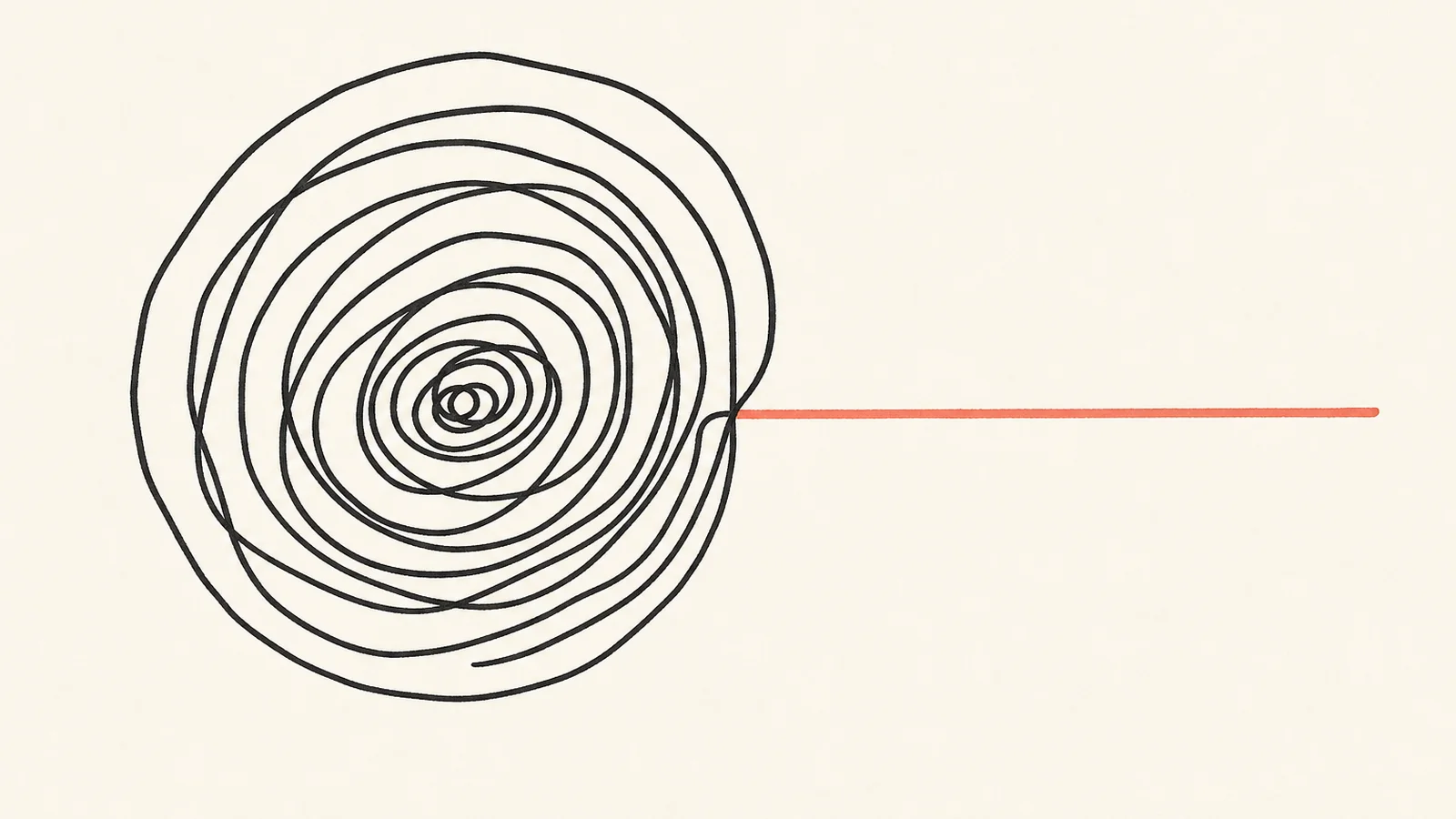
The hours are not the problem. Overanalyzing is analysis that never agreed on what would settle the question, so it ends in exhaustion instead.
Inwitt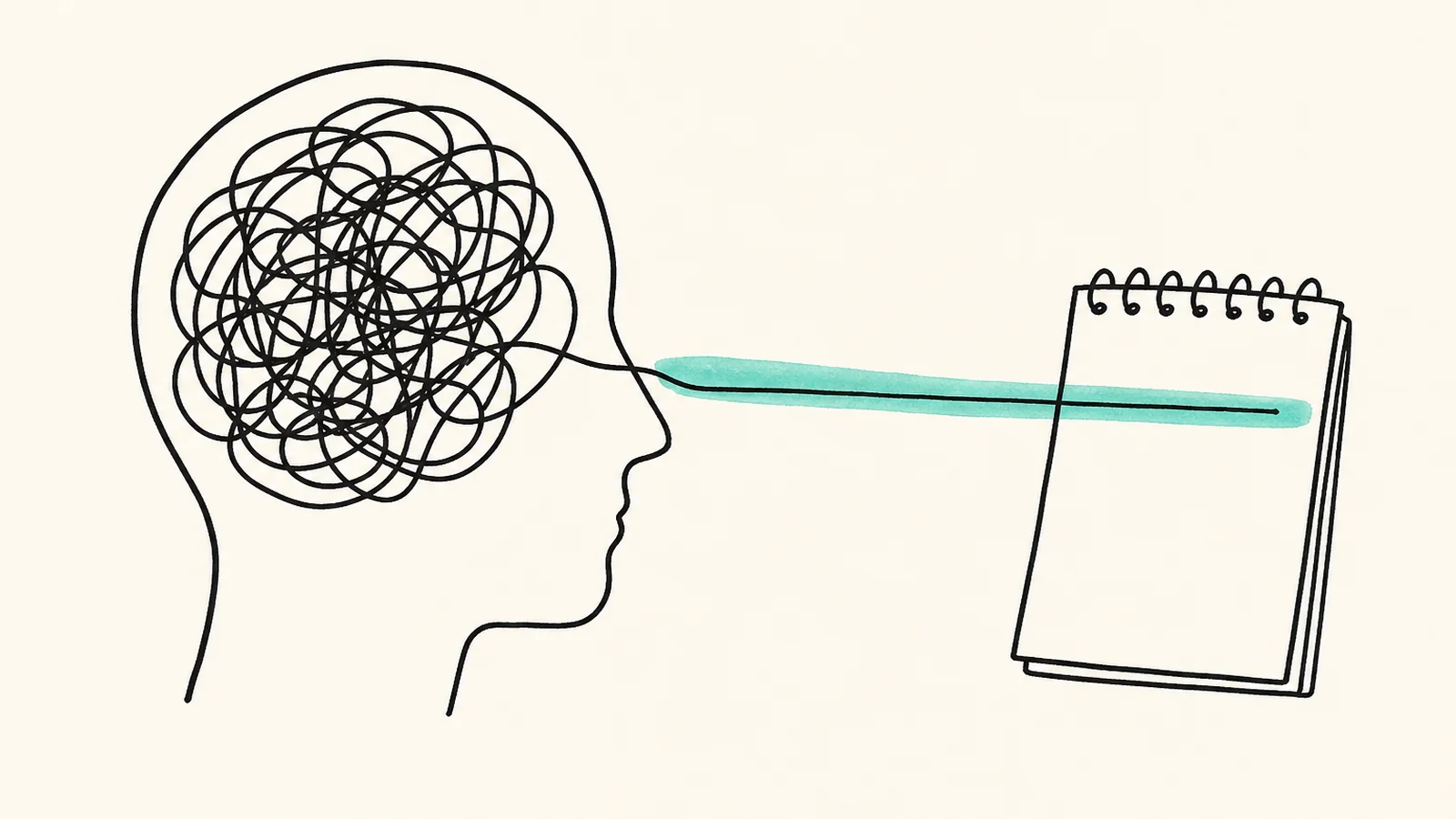
Grounding helps you get out of your head for ten minutes. Sorting the loop on paper gets you out for good. Which exit fits which thought, and why.
Inwitt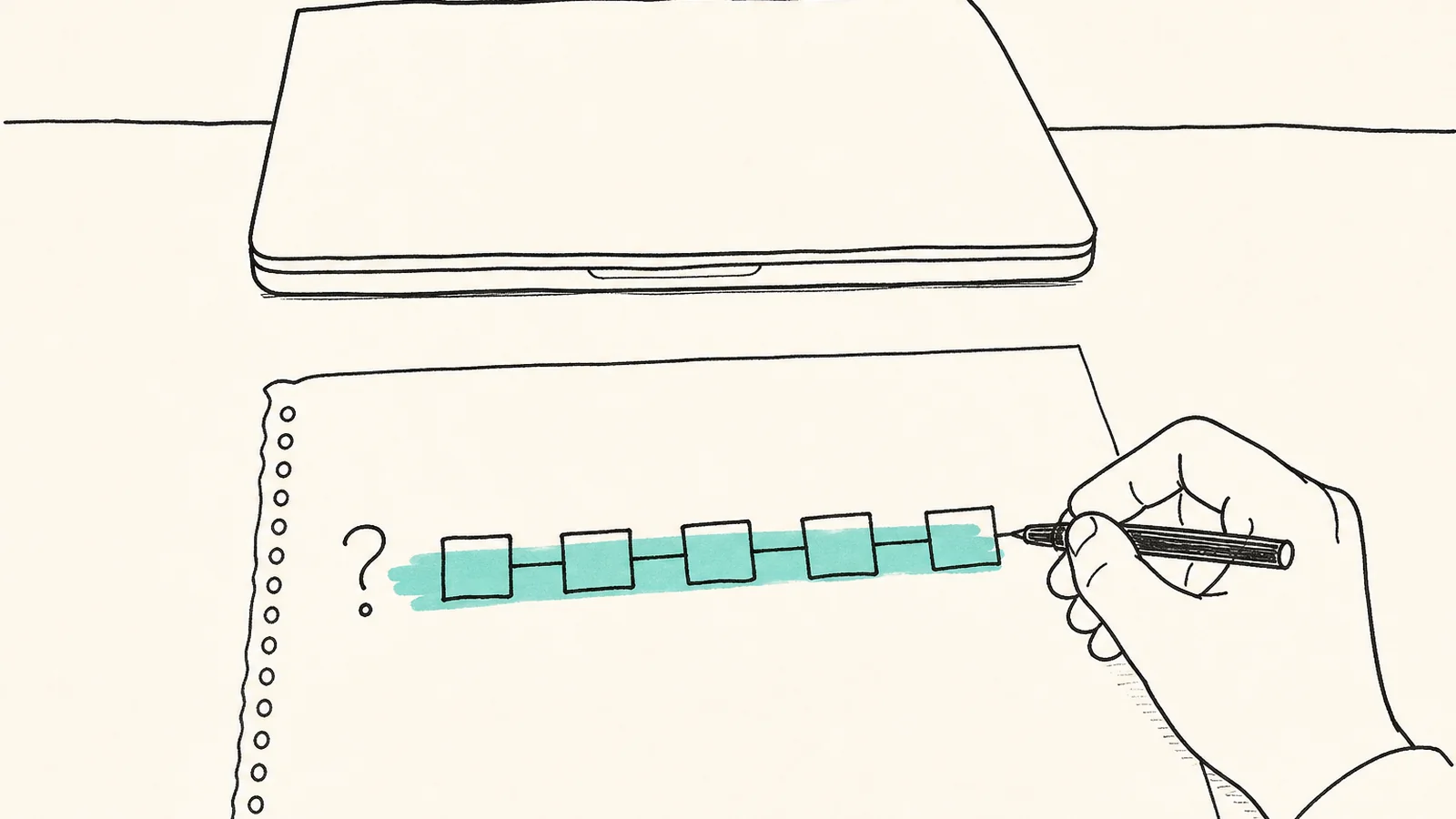
For college students AI help is now a weekly habit, mostly for coursework and checking answers. One trial shows what those two uses do on exam day.
Inwitt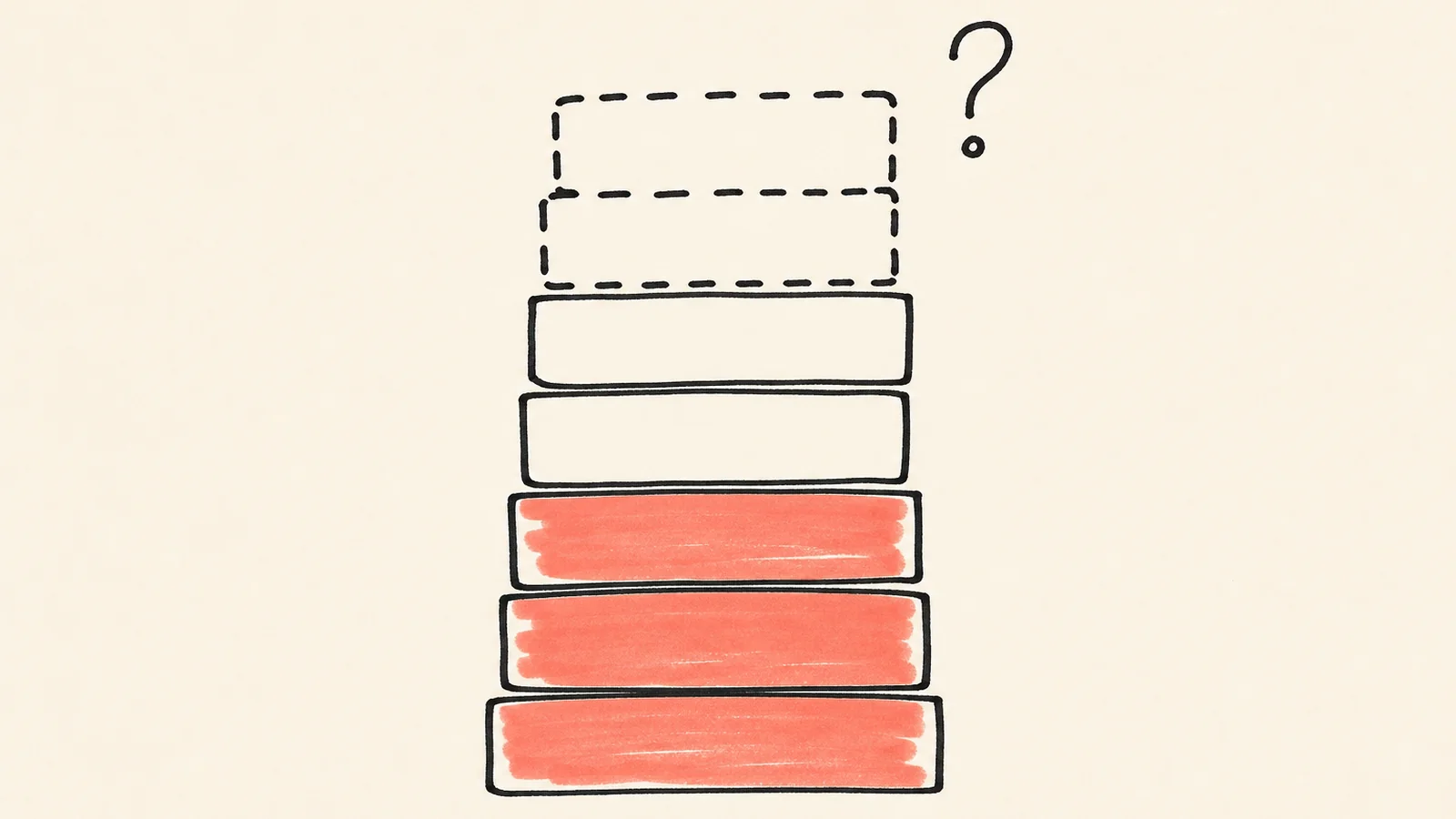
Every list gives the same seven cons of AI in education at the same volume. Five were measured in 2025, one is still a worry, and one was retracted.
Inwitt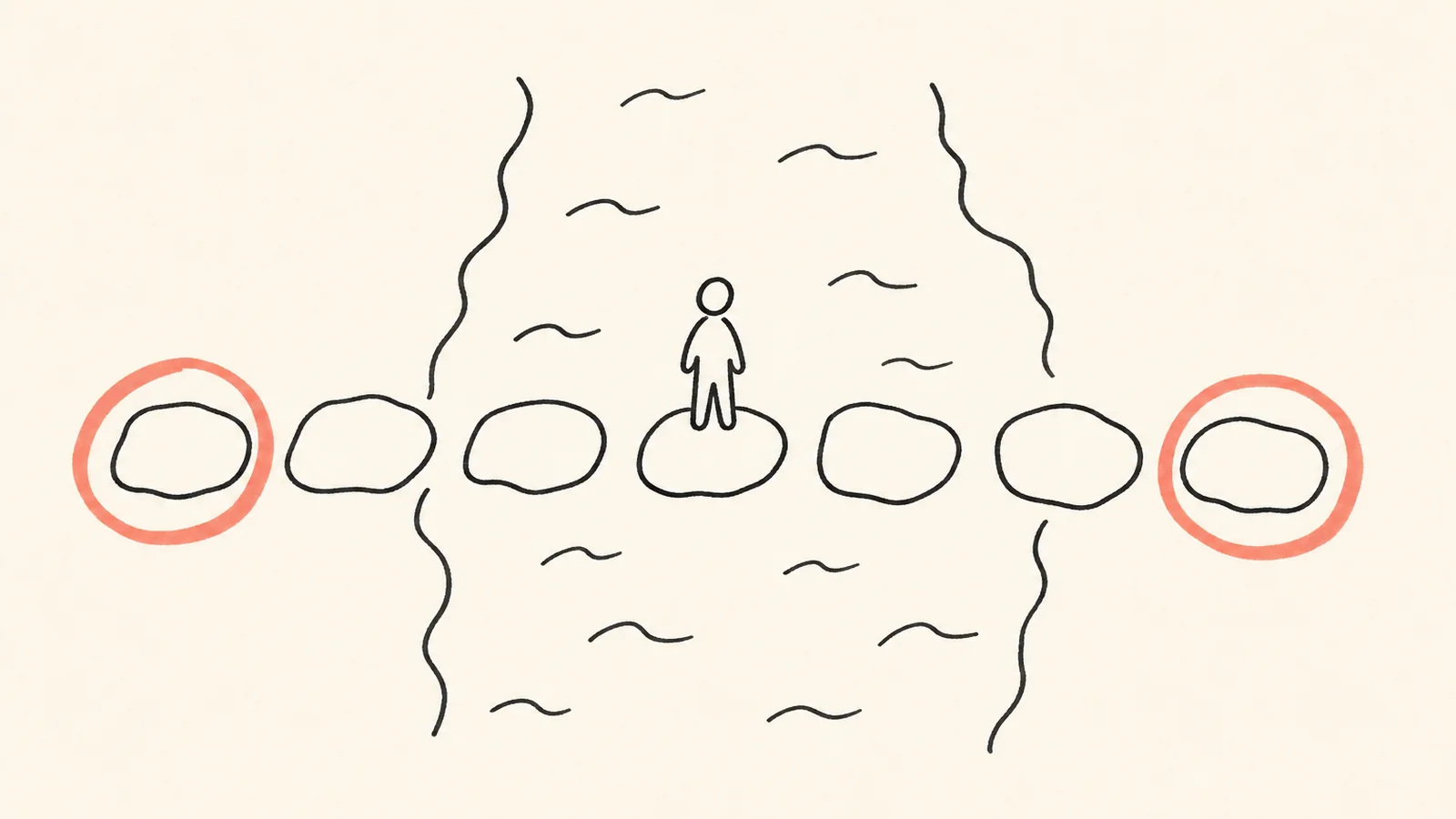
Every list of the 7 steps of critical thinking gives seven verbs. Here each step is a question with a written output and a test that it is done.
Inwitt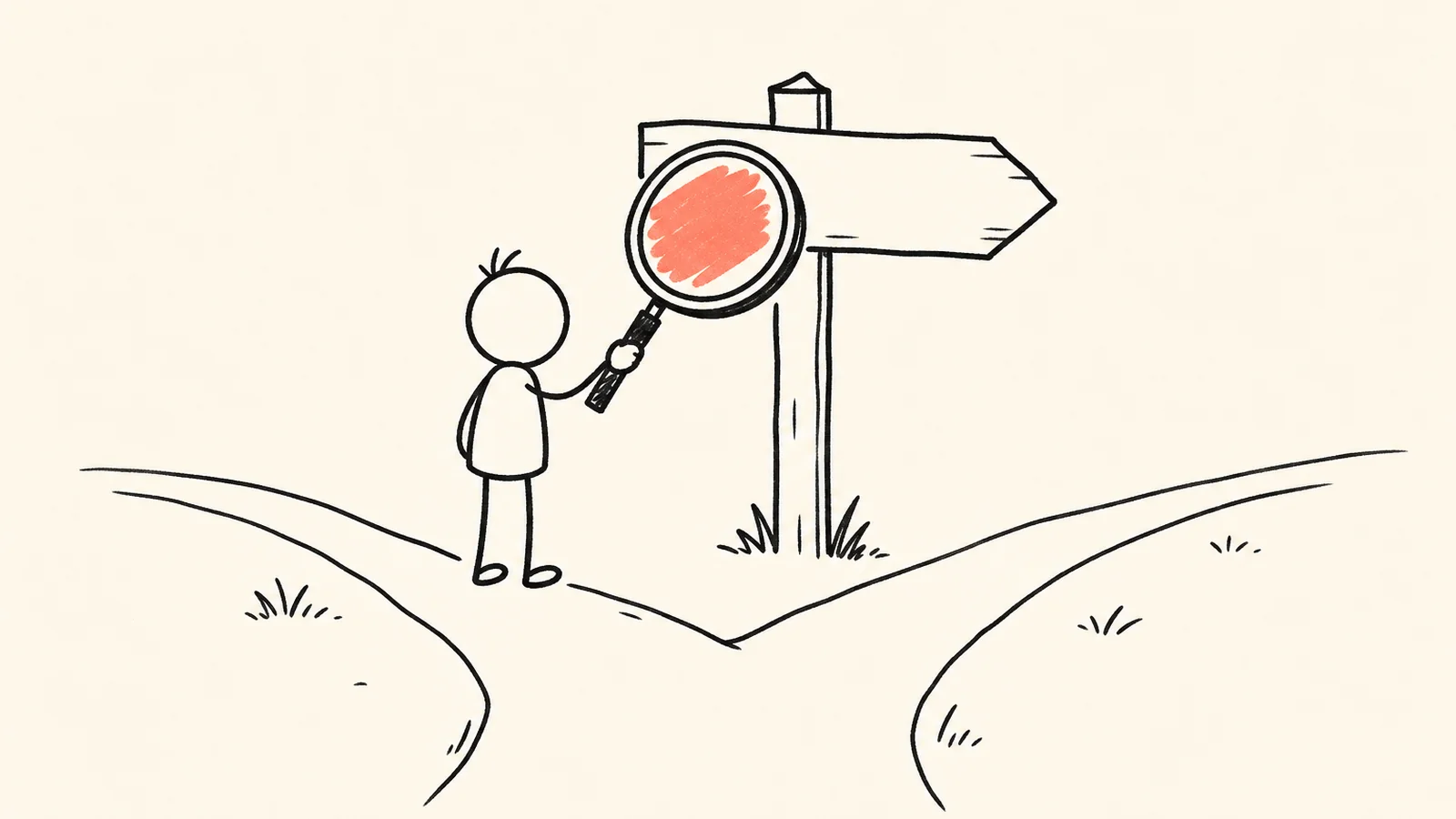
Most critical thinking with examples pages show a scene and a happy ending. Six situations shown as the move itself: belief, question, result.
Inwitt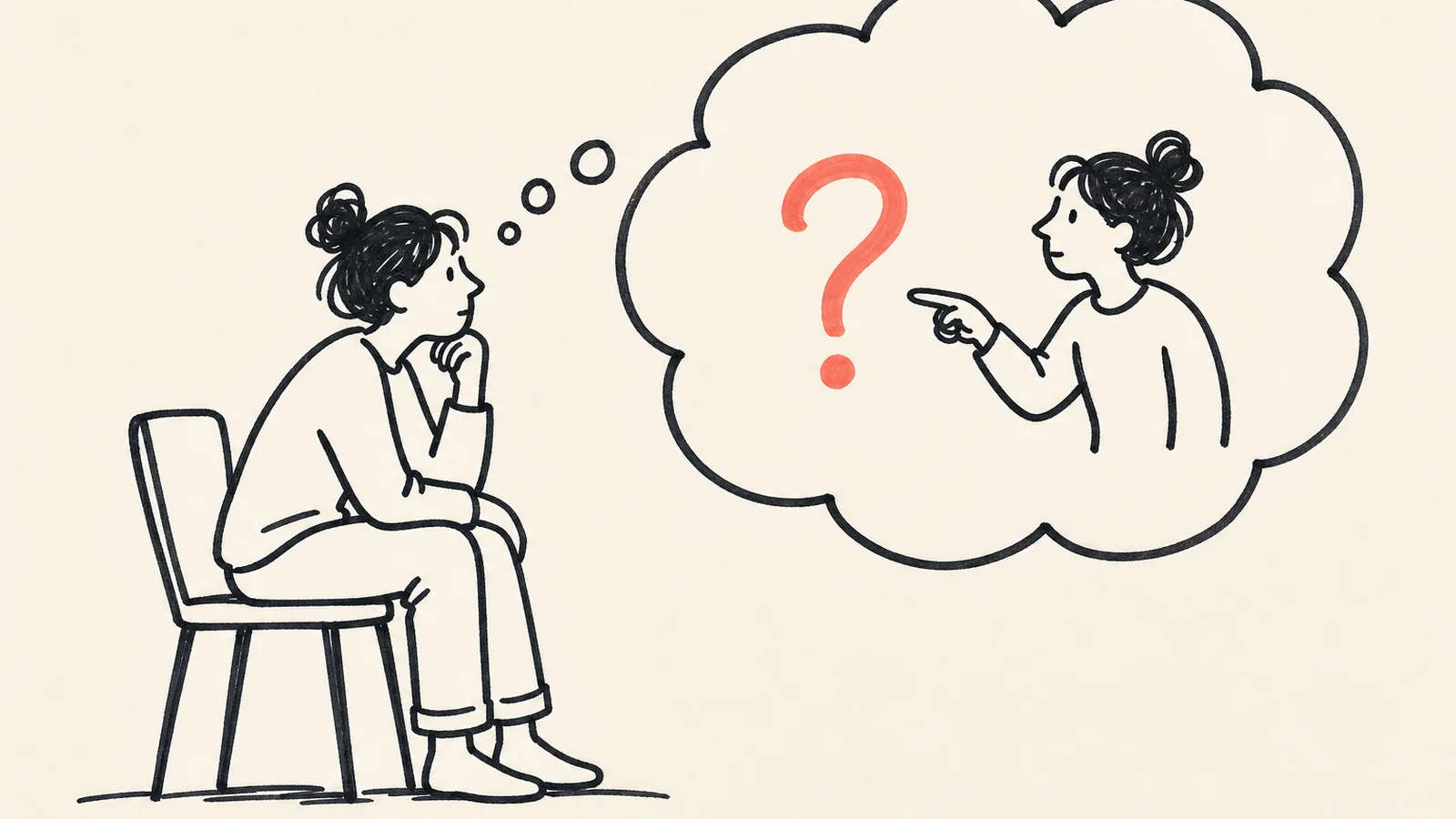
Habit lists do not change how you think. How to improve critical thinking the way research says it works: one real decision, on paper, with questions.
Inwitt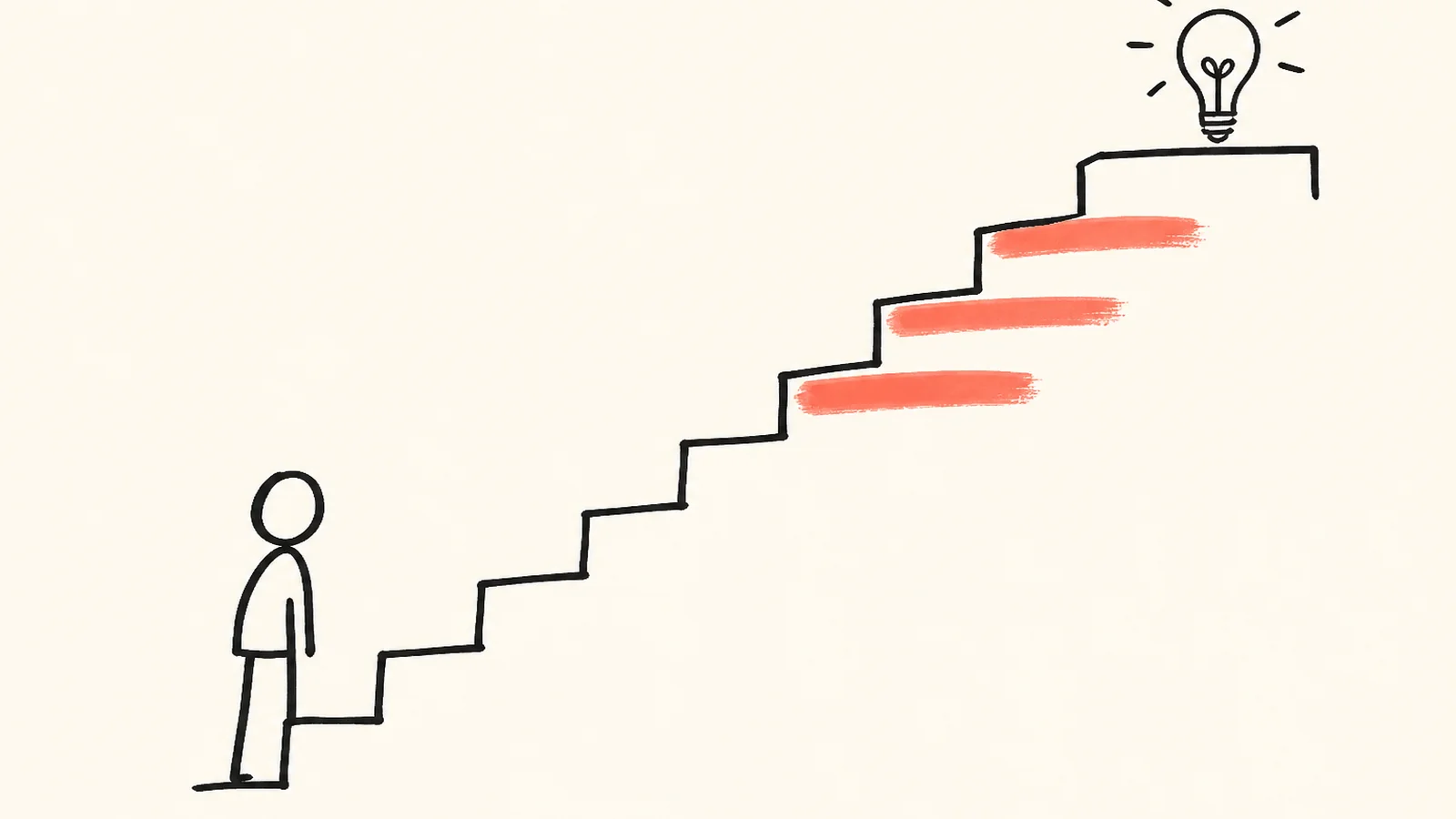
Bloom's taxonomy tops out at analysis, evaluation, and creation: the higher order reasoning skills built through practice, not reading about them.
Inwitt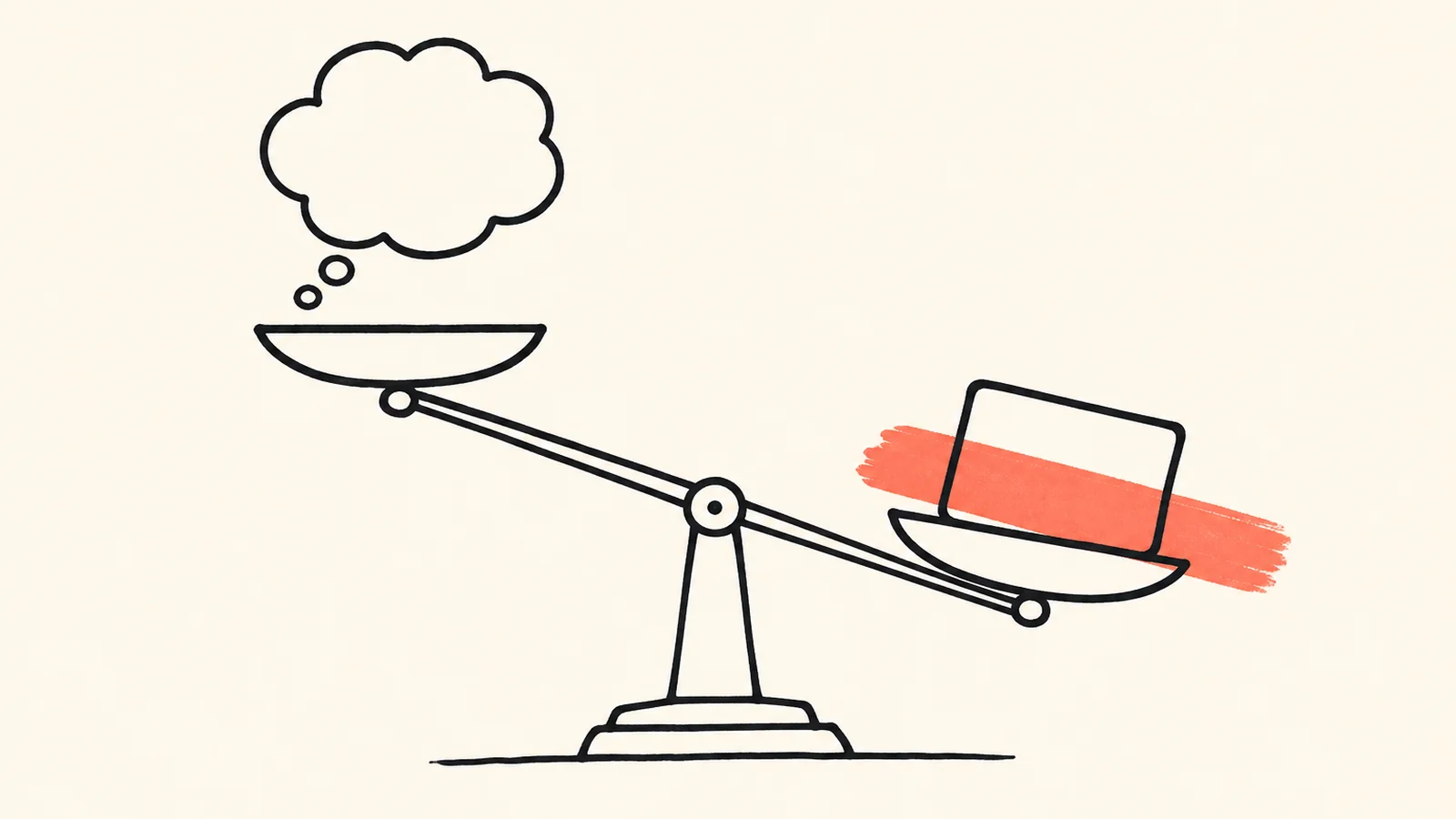
Two 2025 studies agree: why AI should not be used in education comes down to trust in the tool, not the tool itself, and that habit is learnable.
Inwitt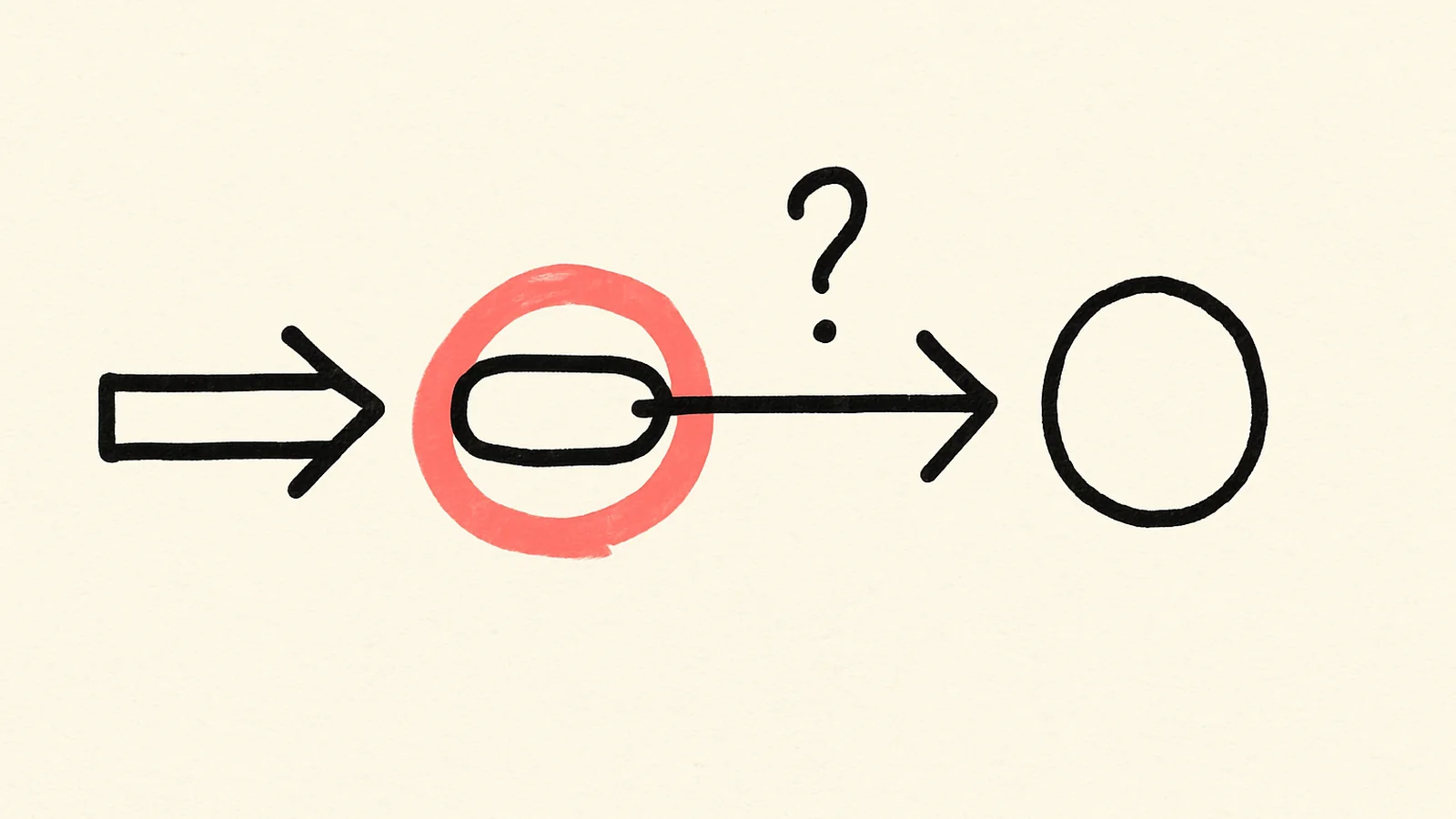
Most guides say to question your assumptions. Reasoning critically is harder, because reasoning evolved to defend conclusions, not to test them.
Inwitt