Decision making · 12 min
Consumer decision fatigue: the purchases that never close
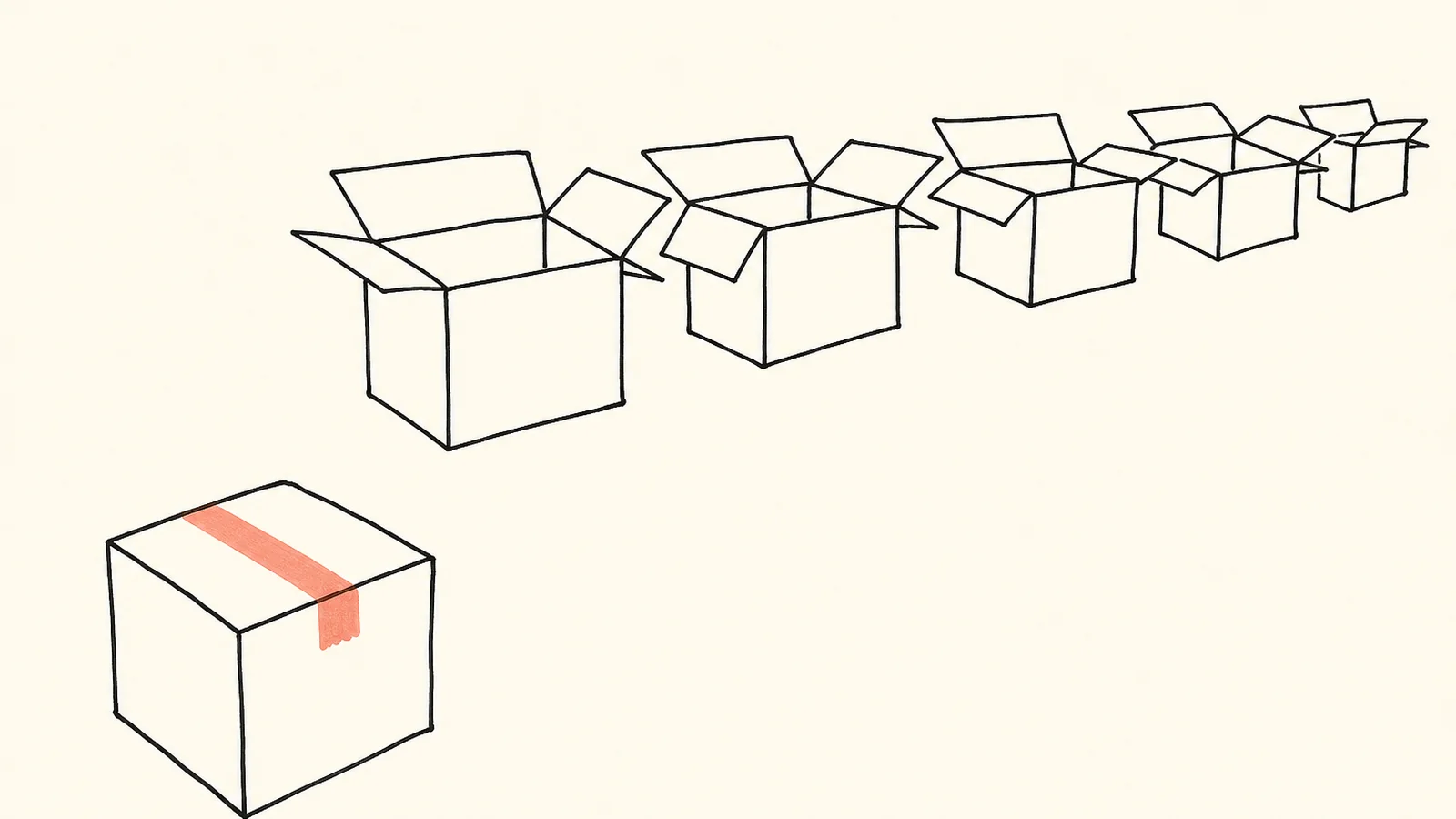
The number of options is rarely the problem. Consumer decision fatigue builds from purchases that stay open in tabs, carts and return windows.
 Inwitt
Topic
32 essays on overthinking.
The number of options is rarely the problem. Consumer decision fatigue builds from purchases that stay open in tabs, carts and return windows.
Inwitt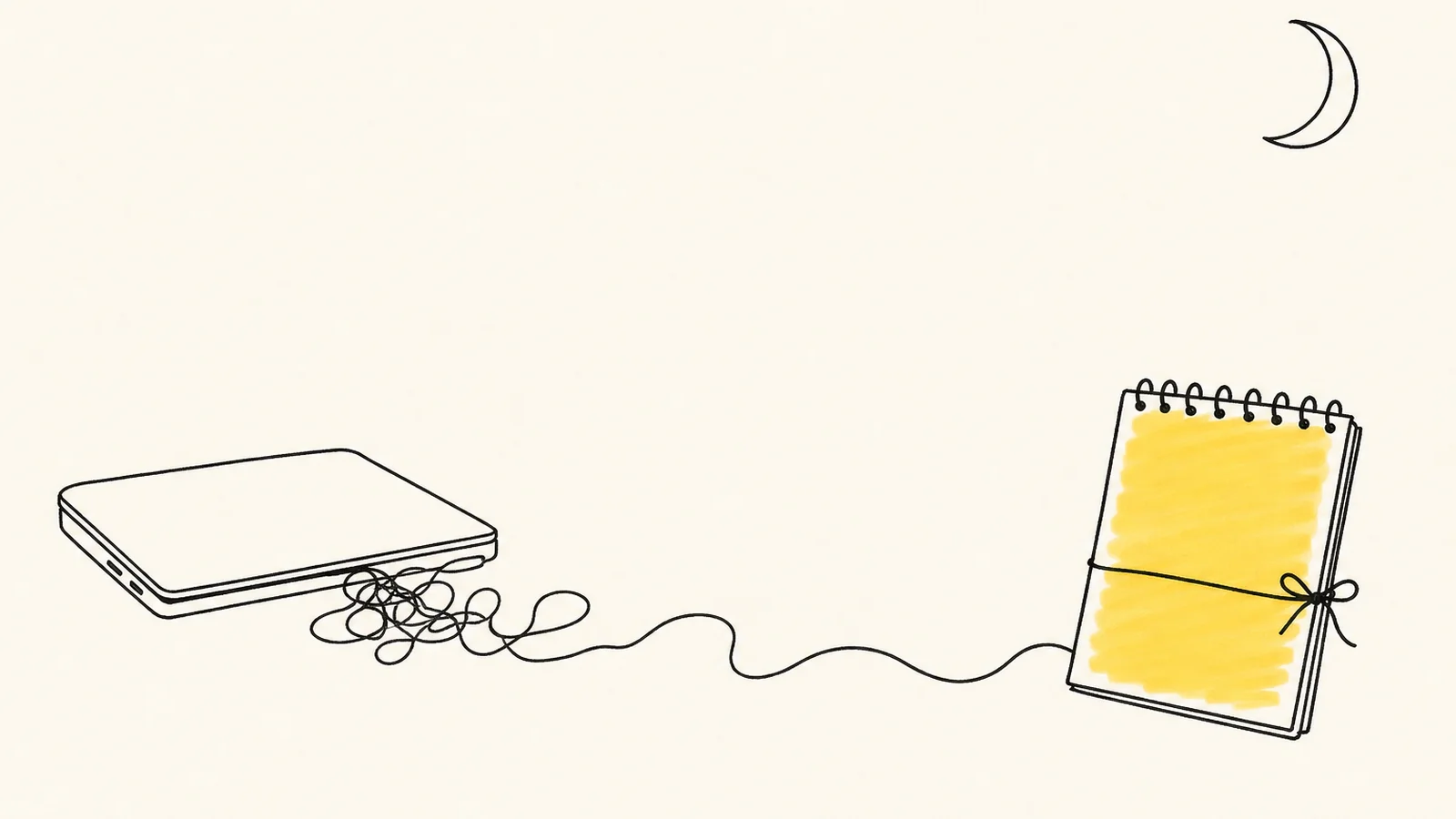
Some evening work thoughts are harmless. How to stop thinking about work at night: catch the replay, then give each unfinished task a written plan.
Inwitt
The second worry is a claim about your mind, not a fact. How to stop worrying about worrying: write the claim down and run the test it skips.
Inwitt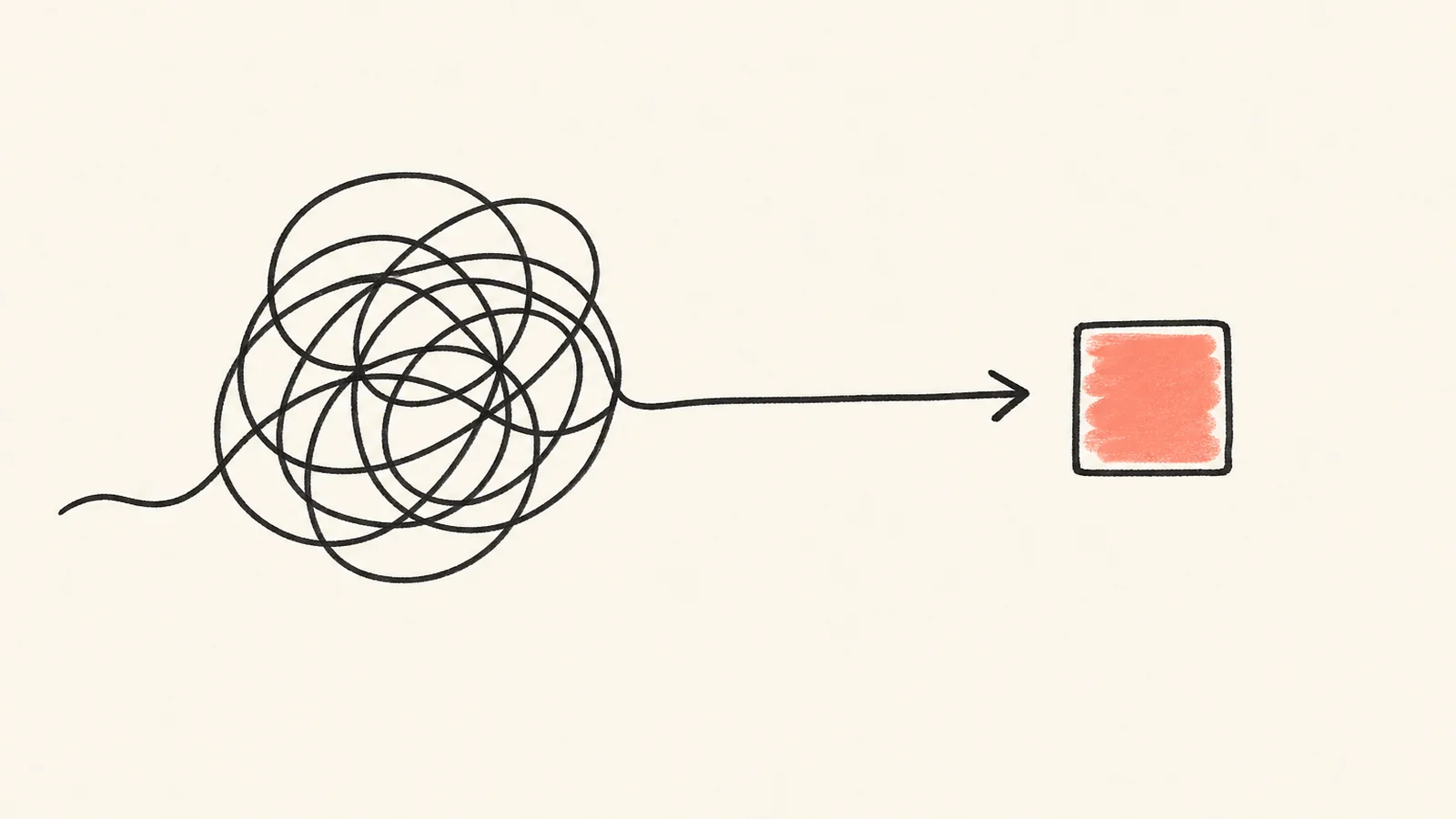
The attention is real and the loop is not. Is overthinking a skill? Research finds two kinds, and only one asks a question that can end.
Inwitt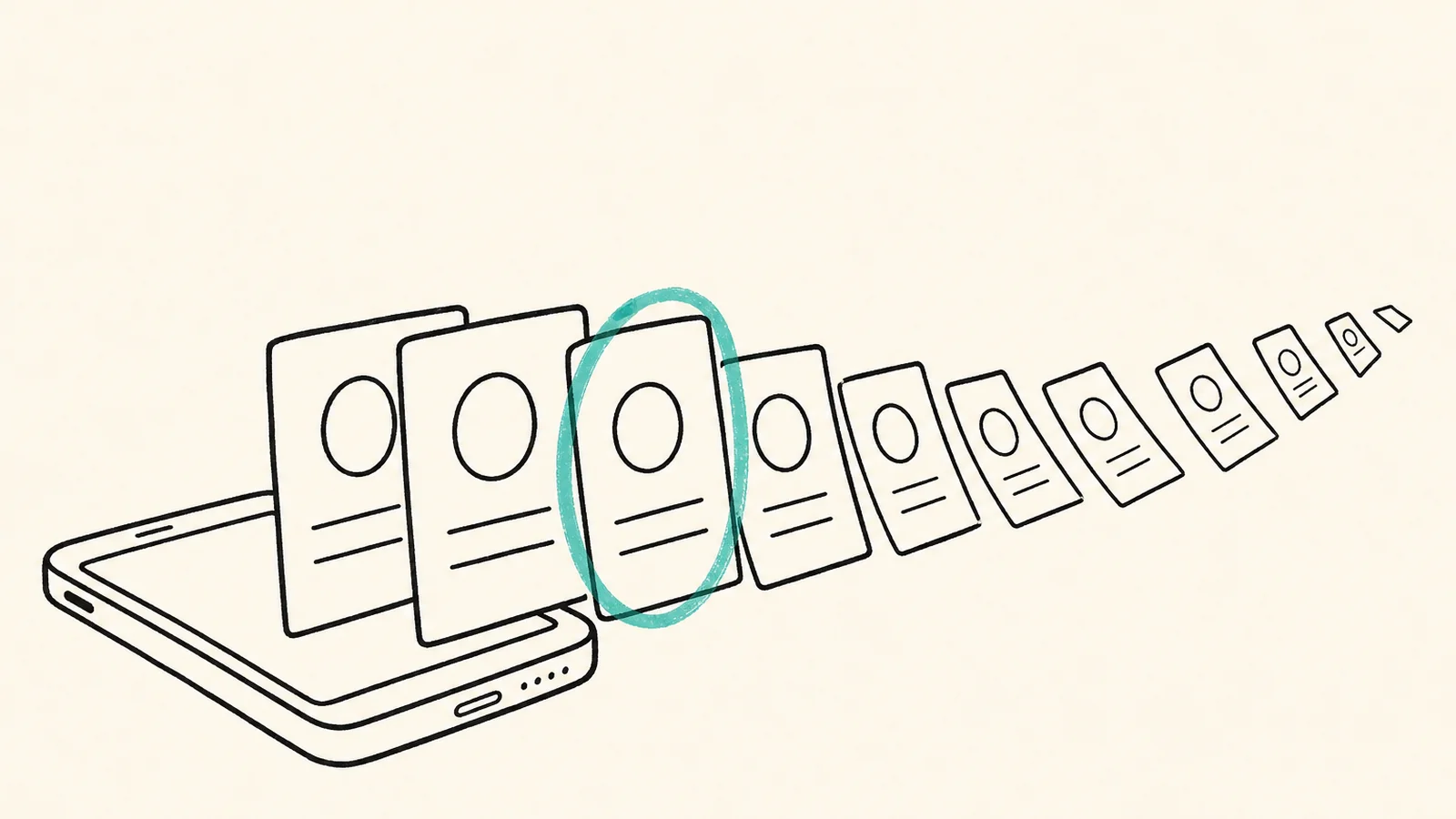
Time limits miss the cause. Dating app decision fatigue grows profile by profile in one sitting, so cap the count and write what you want first.
Inwitt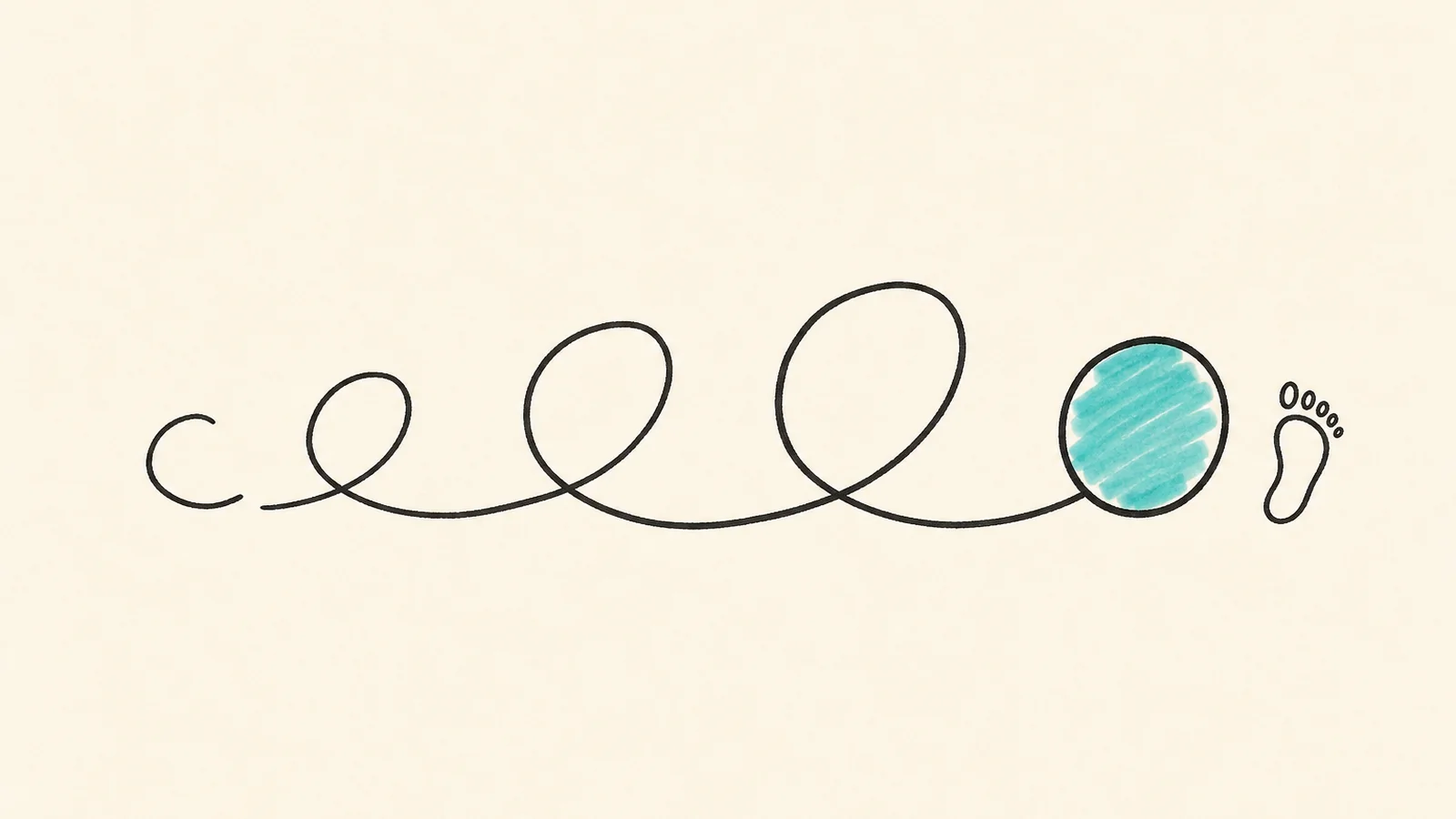
Arguing with each worry rarely ends the loop. How to stop what if thinking: follow the chain to its last link and ask the half it always skips.
Inwitt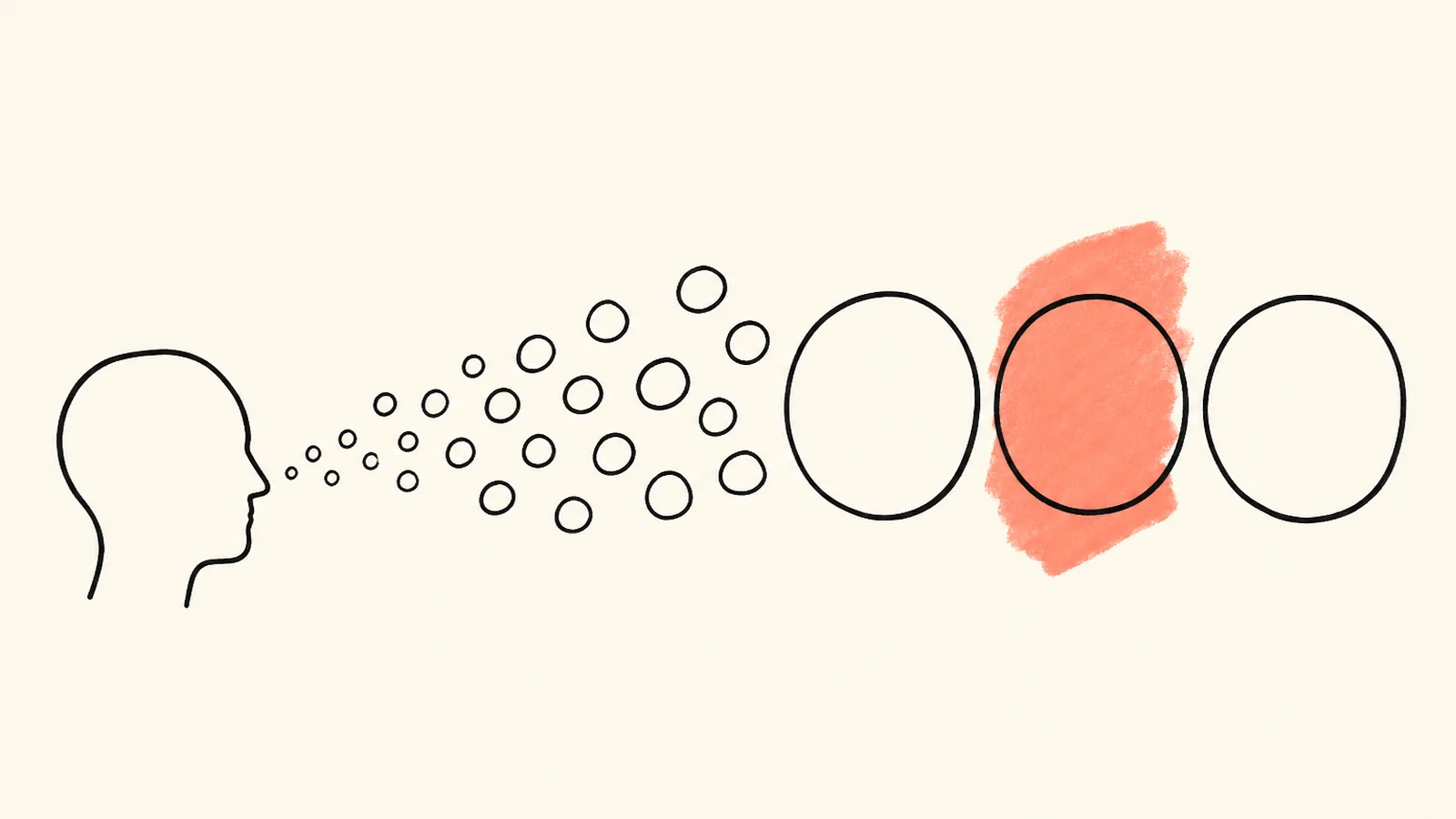
A mind left alone always thinks. When the complaint is I can't stop thinking, count what it keeps returning to, then give each one an ending.
Inwitt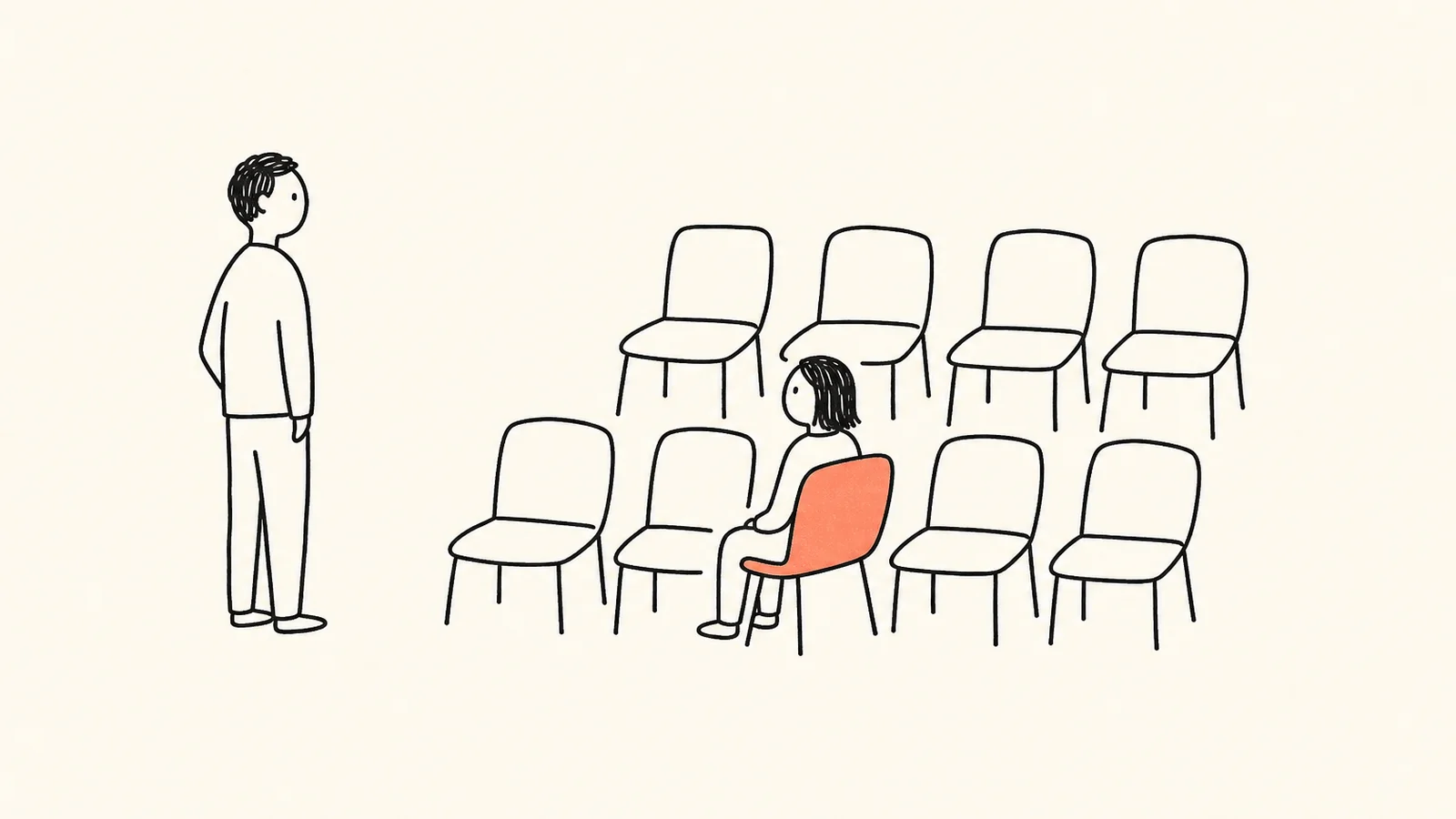
Nobody can simply care less. Exercises to stop caring what others think work when they put the imagined verdict on paper and check it.
Inwitt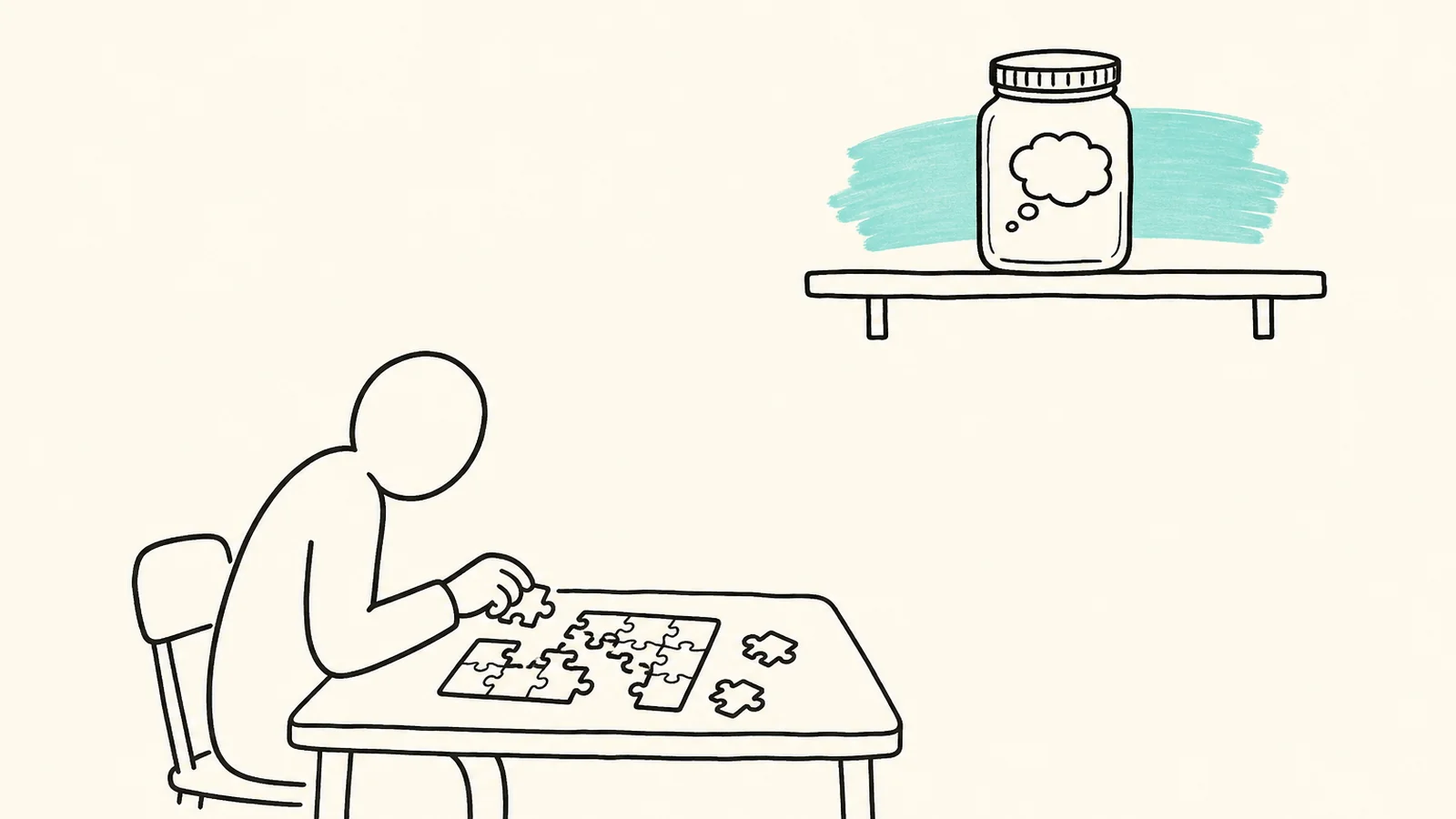
Distraction helps with news you are waiting on and fails on business you left open. How to get your mind off something starts by telling them apart.
Inwitt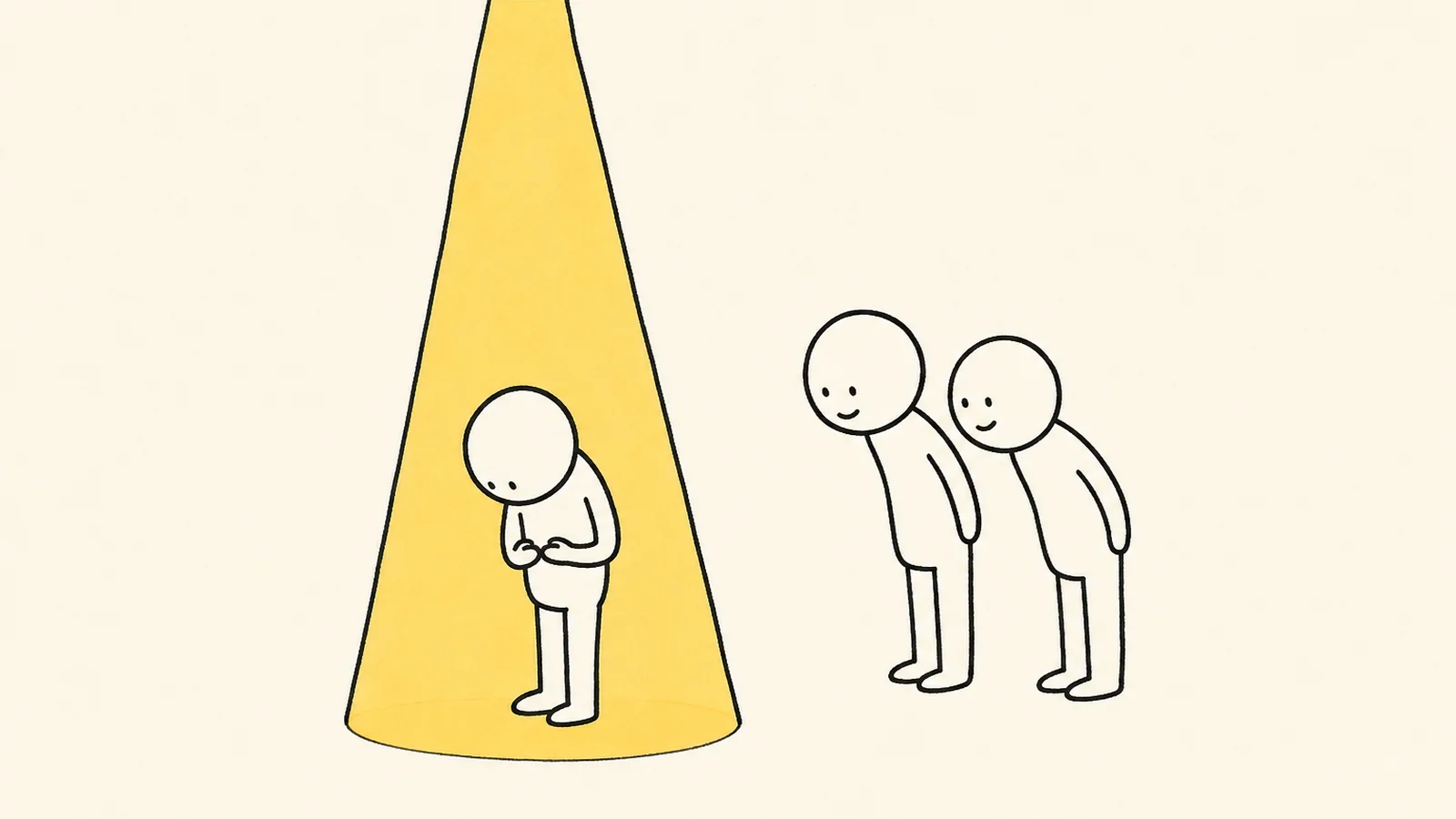
Your replay of the evening comes from the worst seat in the room. How to stop overthinking social interactions: test the verdict against what you saw.
Inwitt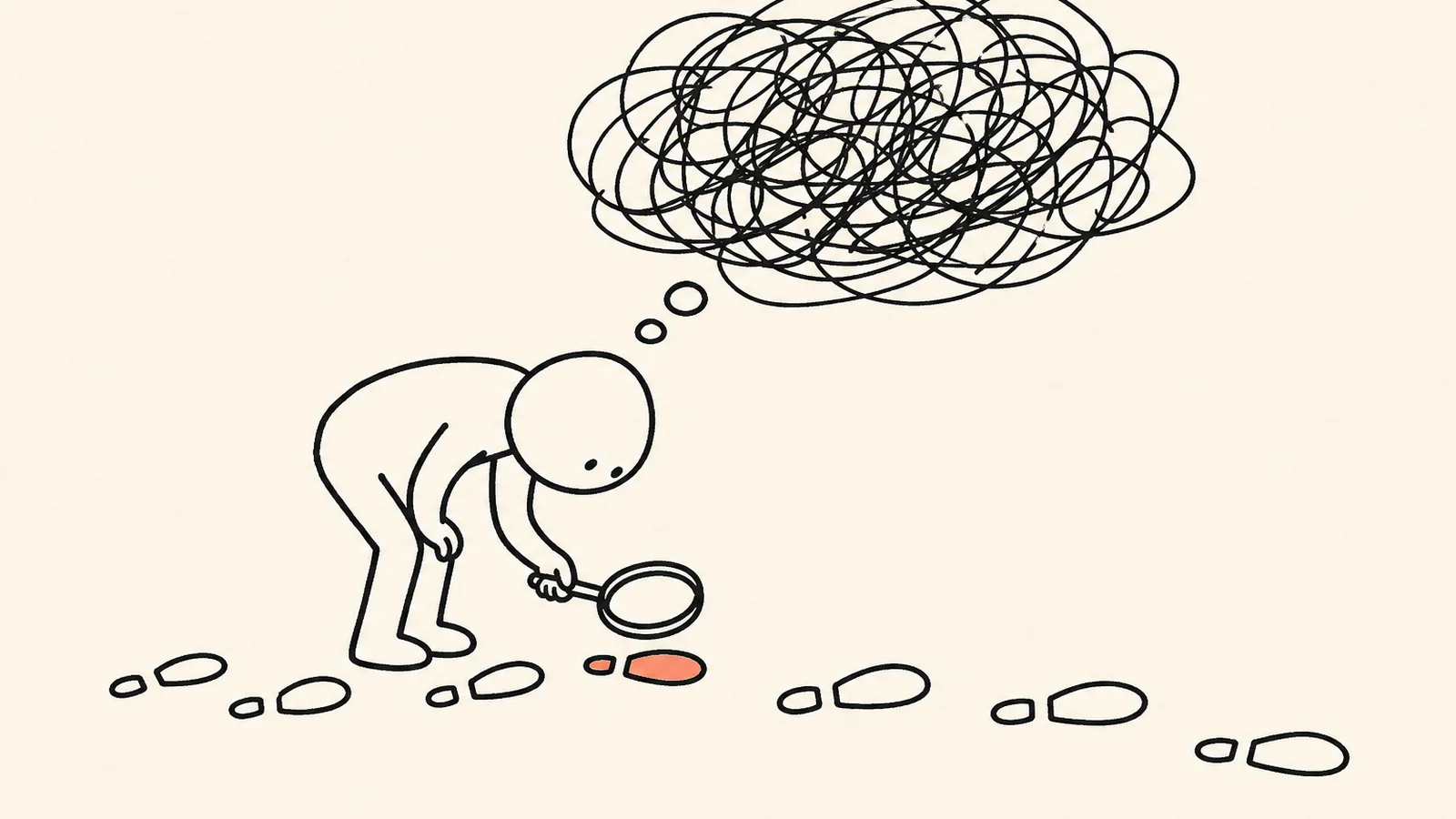
Typing analyze myself into a search bar usually follows a moment you cannot explain. Start with what you did, then test the reason you give.
Inwitt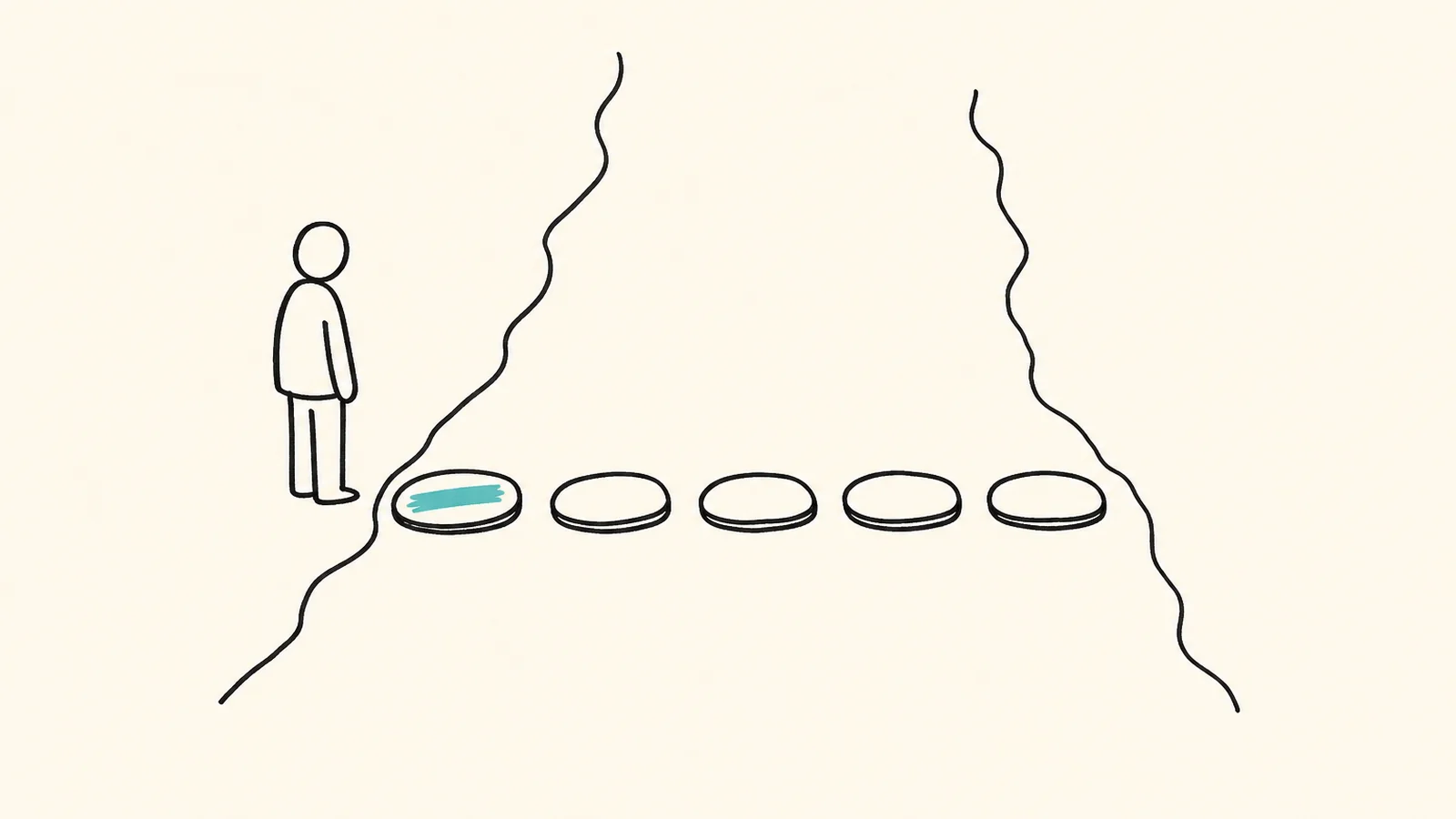
Breathing exercises rarely end it. Fear is paralyzing while the threat stays vague, and eases once you name the outcome and take a step that tests it.
Inwitt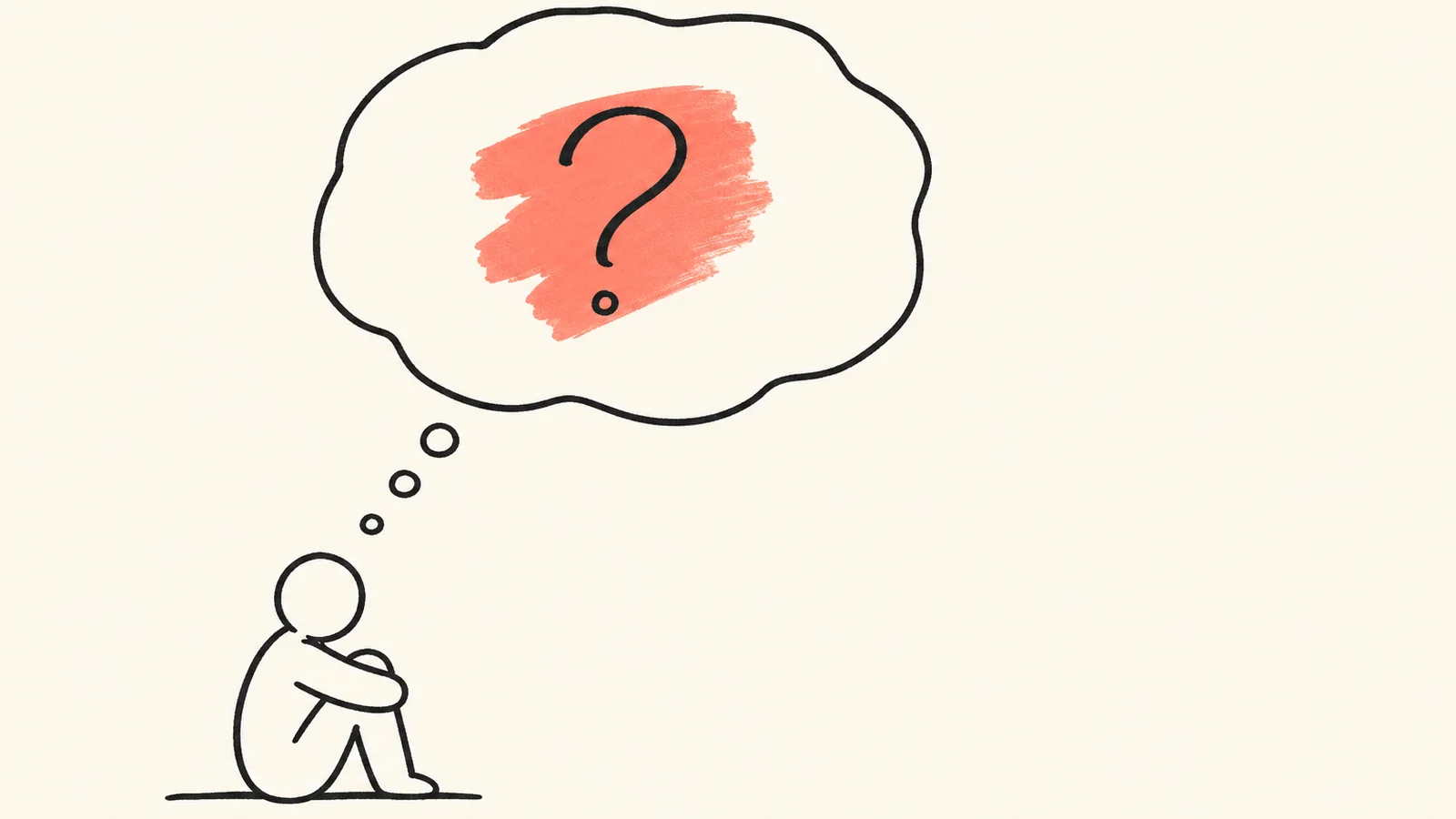
One person keeps coming back because a question about them is still open. How to get someone out of your head: name it, then see who can answer it.
Inwitt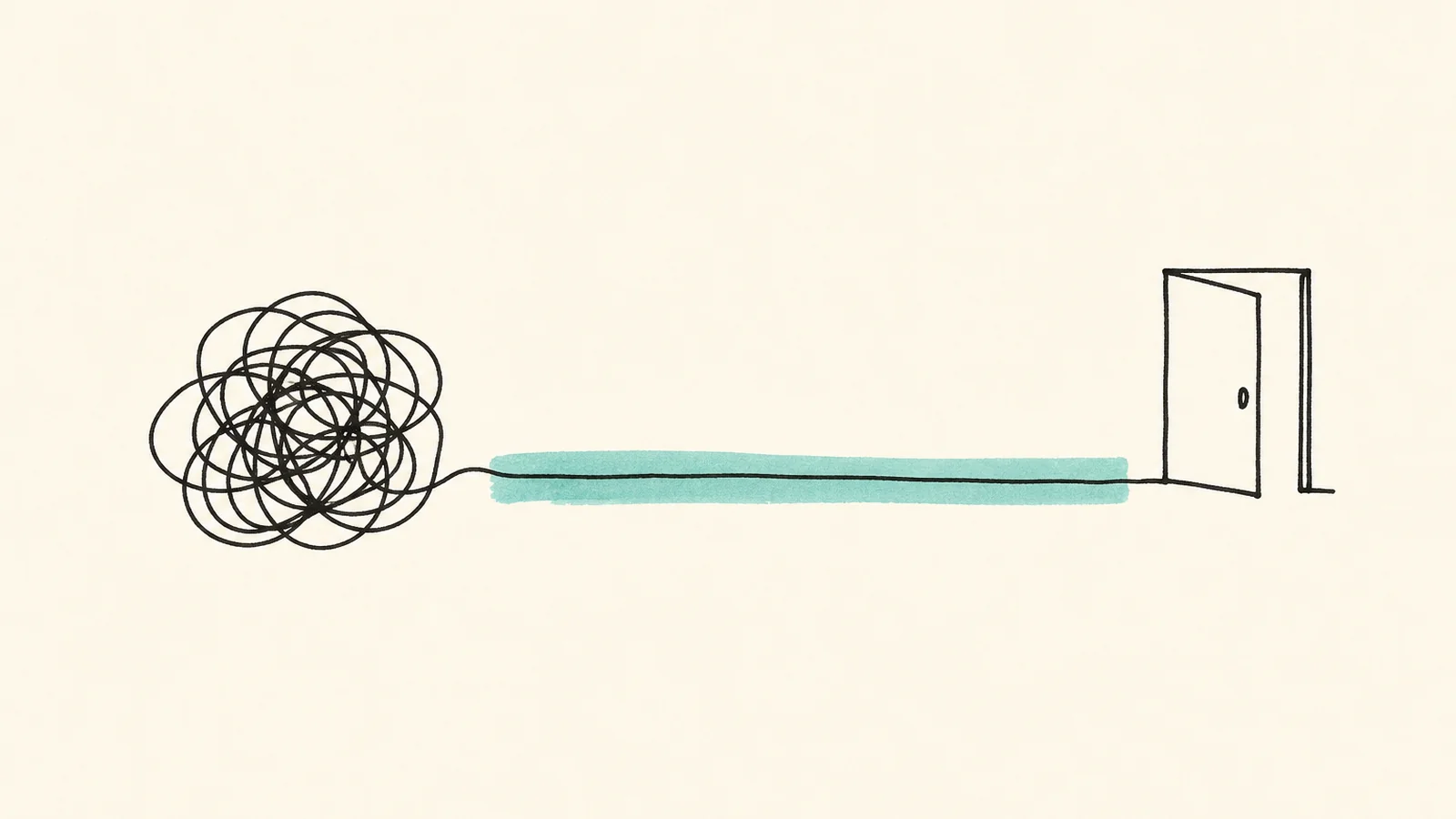
Hours of thought are not the problem. The overthinking definition psychologists use counts what the thinking produces, and you can check it on paper.
Inwitt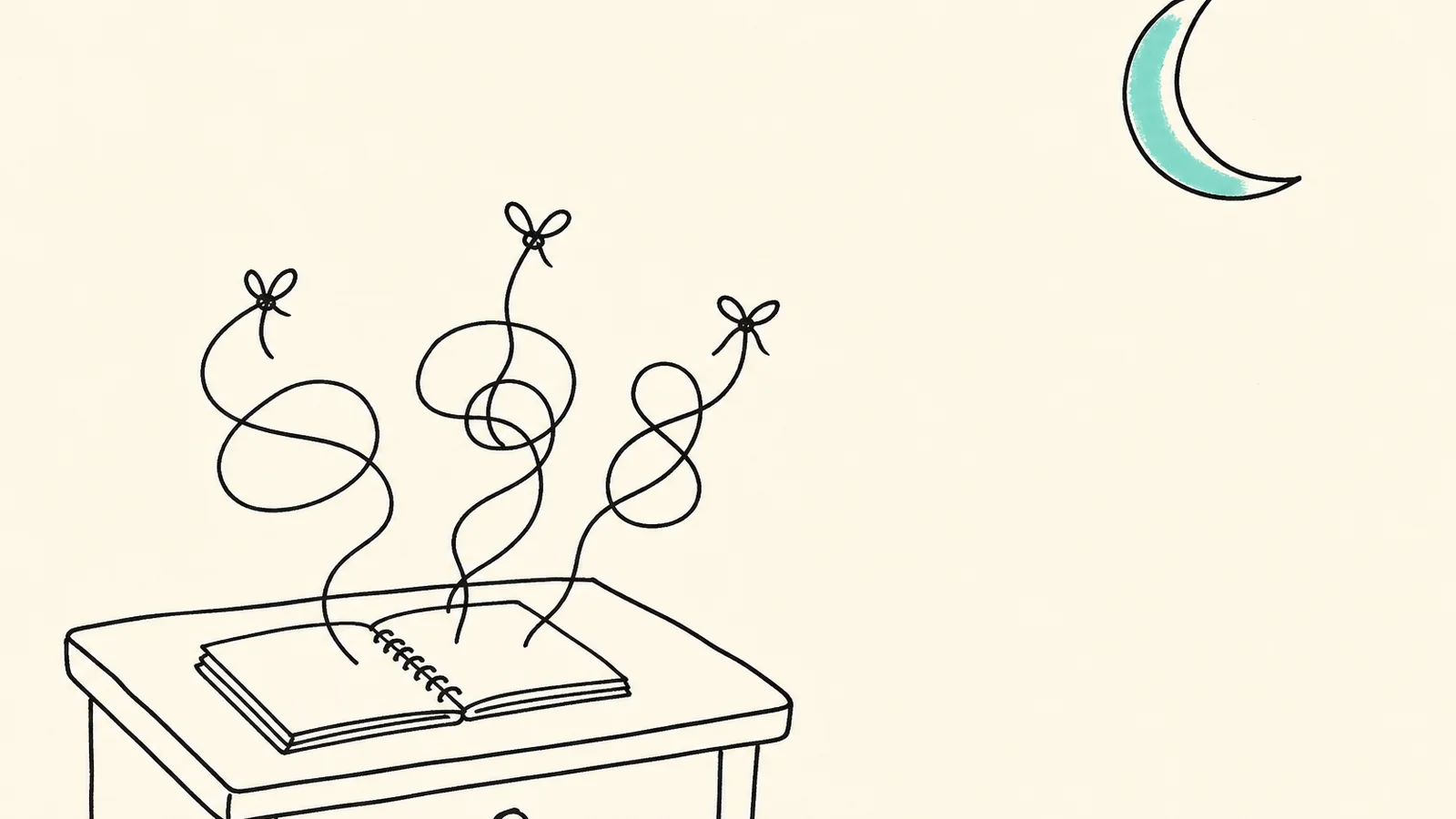
Relaxing tips skip what is running. How to turn off your brain so you can sleep: sort each thought, then give it the exit it needs before bed.
Inwitt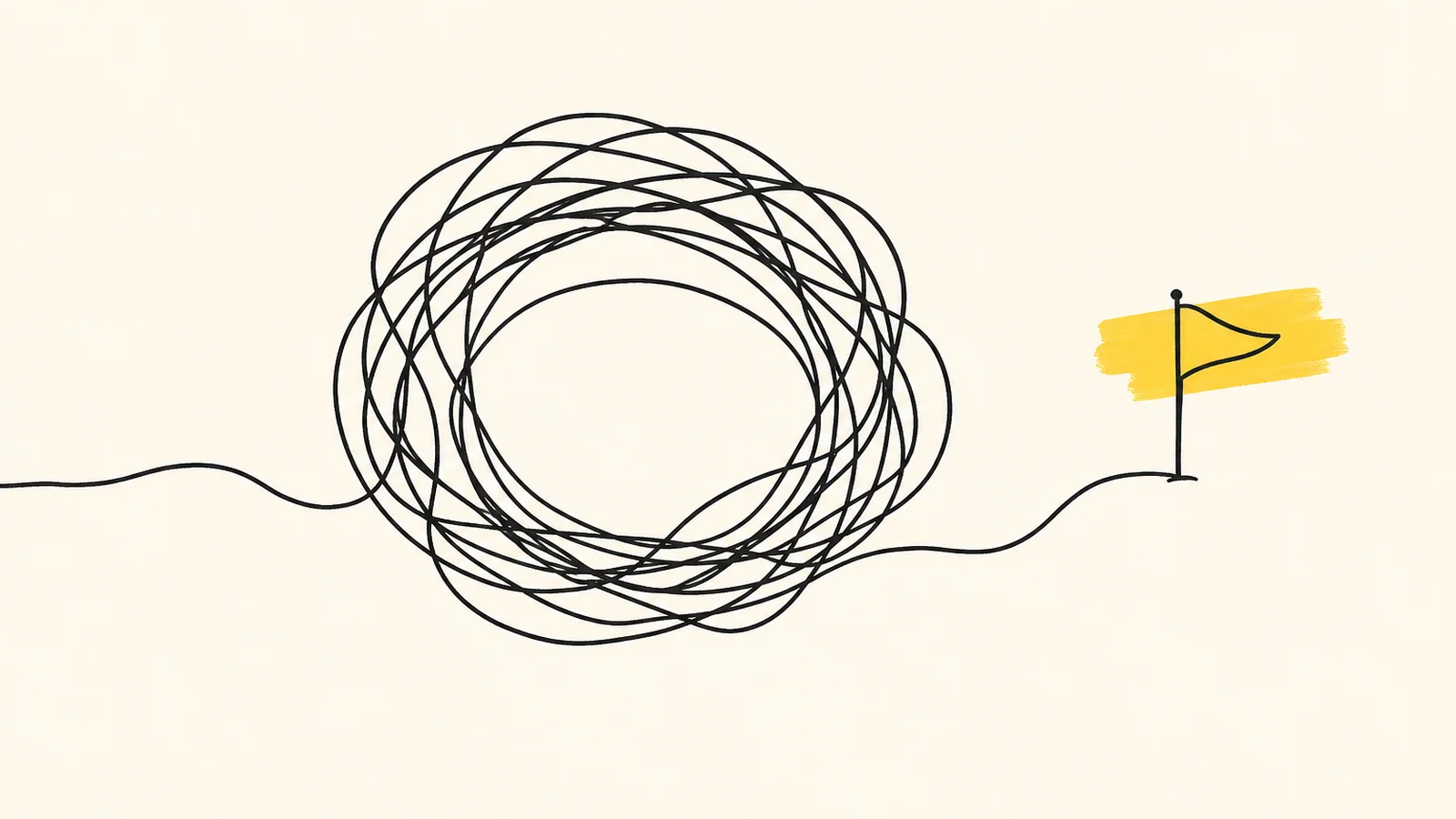
Overthinkers rarely lack ideas. They hold two beliefs about their own thinking, that it helps and that it cannot stop, and each one can be tested.
Inwitt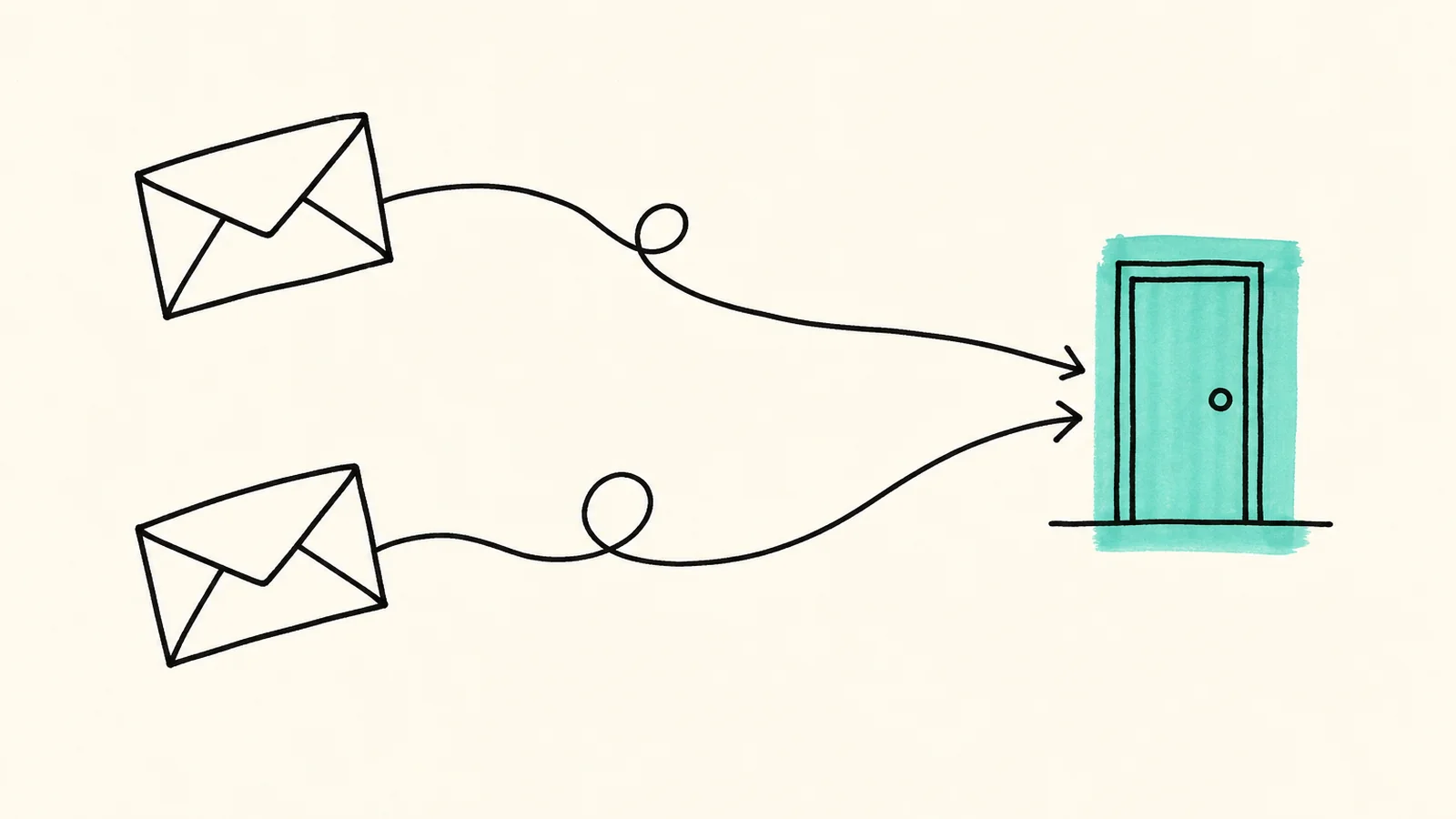
The fact you are waiting for would usually leave you choosing the same thing. Analysis paralysis ends when you ask what each answer would change.
Inwitt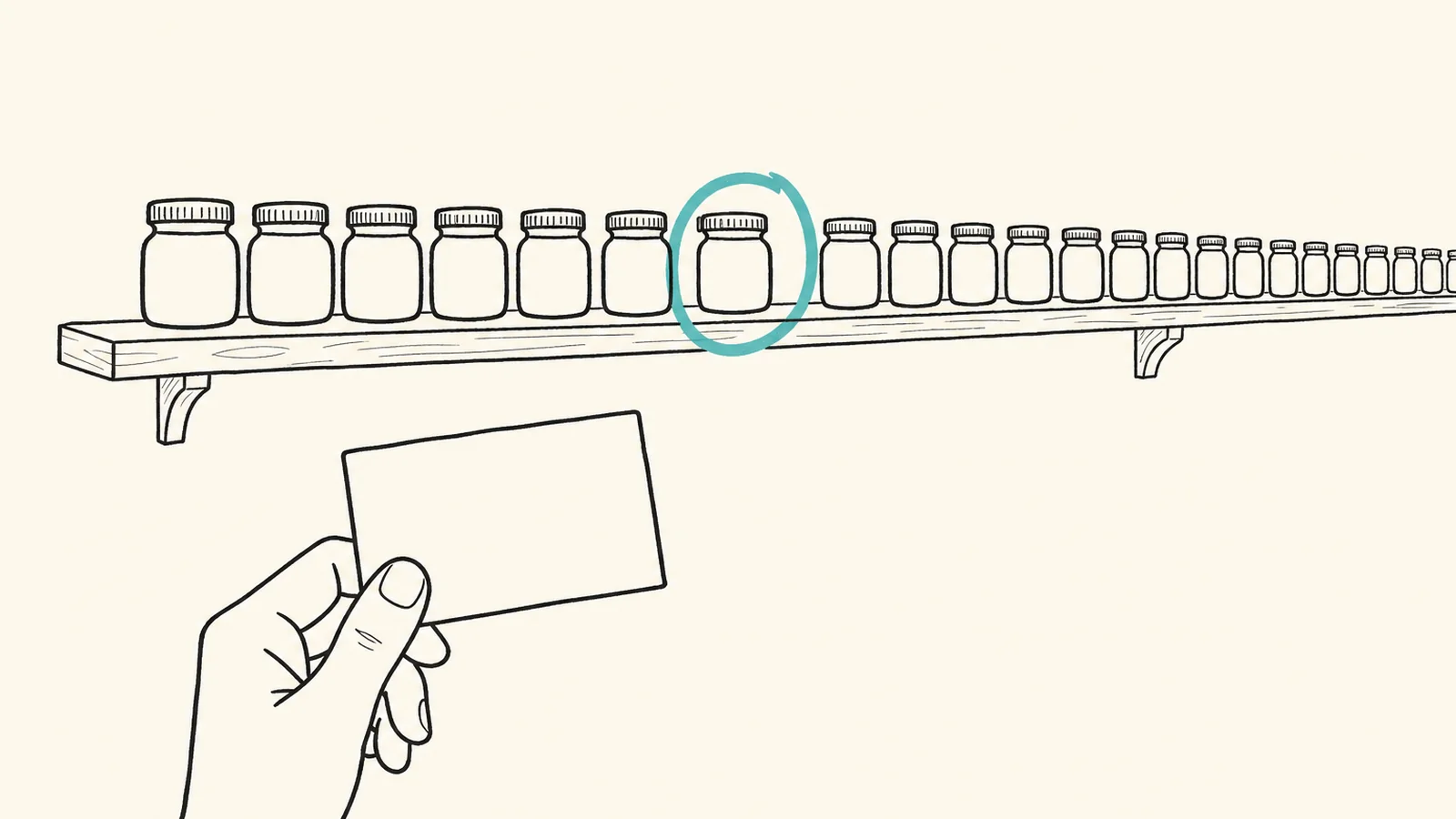
The usual advice cuts the list. Research on feeling overwhelmed by choices points to an earlier step: saying what you want before you look.
Inwitt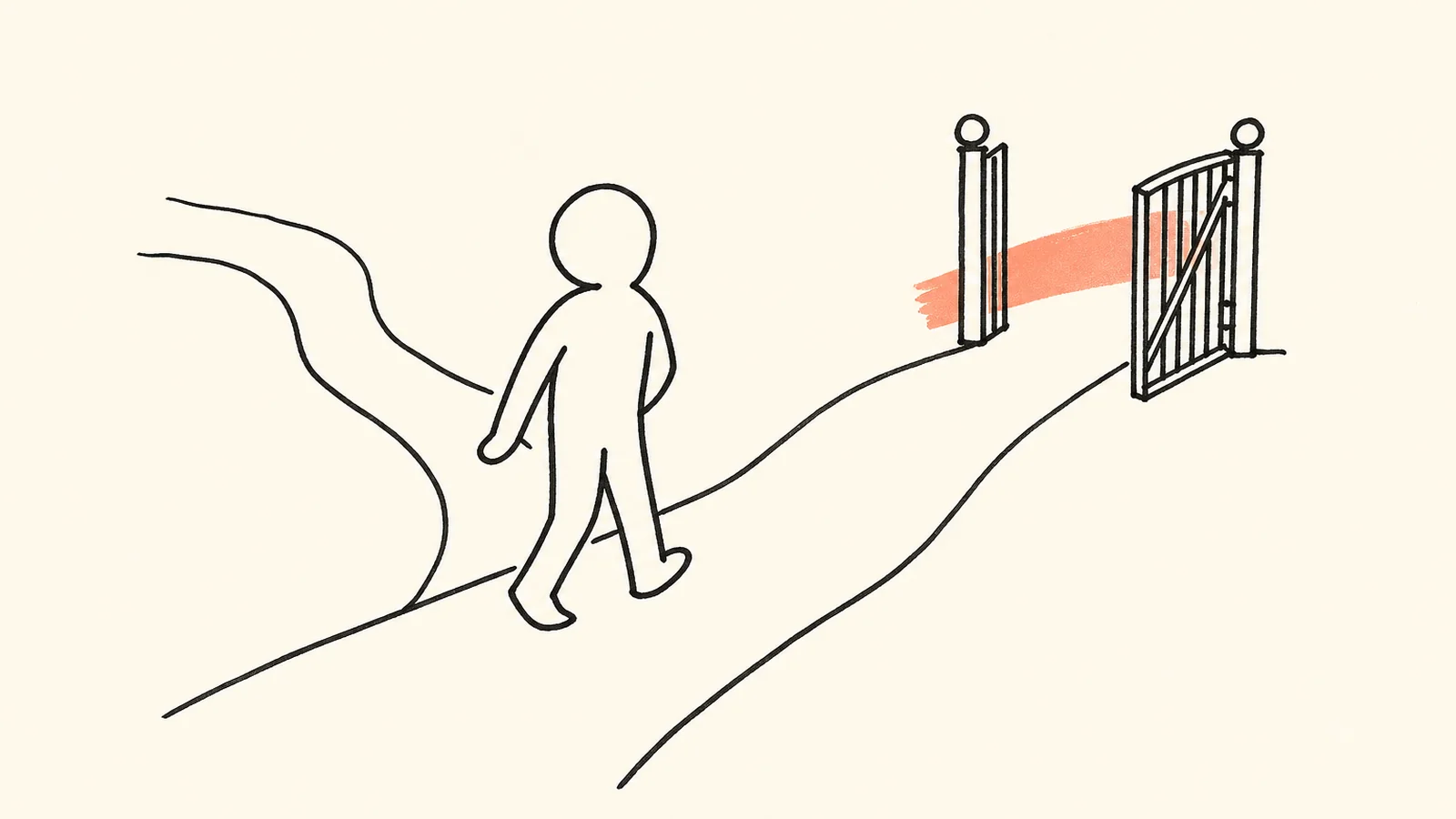
Each replay asks three questions at once, so regretting decisions turns into a loop. Take them in order: luck or choice, what is open, what to change.
Inwitt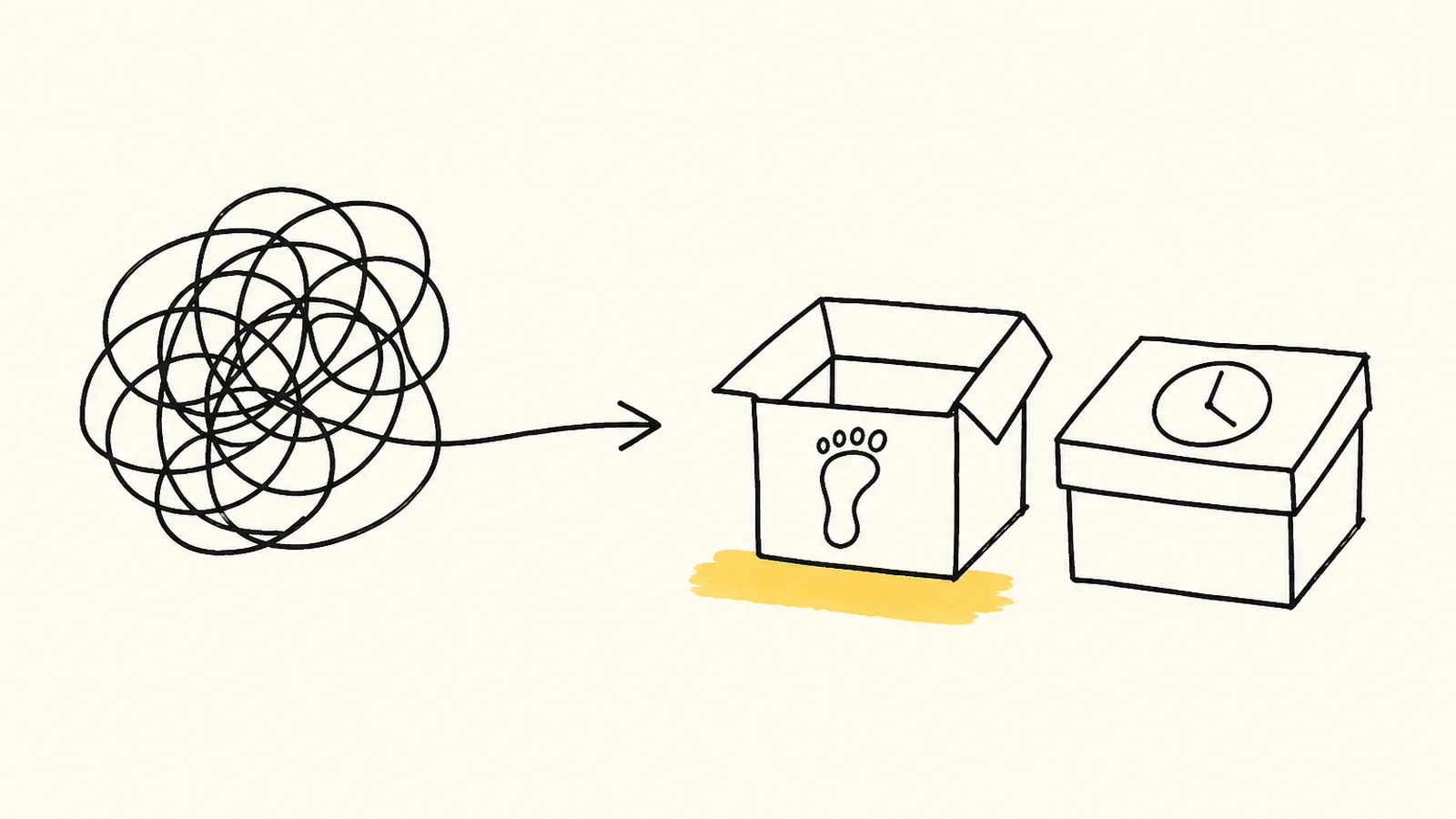
A vague worry can be neither solved nor disproved. How to stop worrying starts by naming it exactly, then splitting off the part you can act on.
Inwitt
Thoughts arrive on their own, and pushing them away brings them back under stress. You control your mind further down, in what a thought gets to do.
Inwitt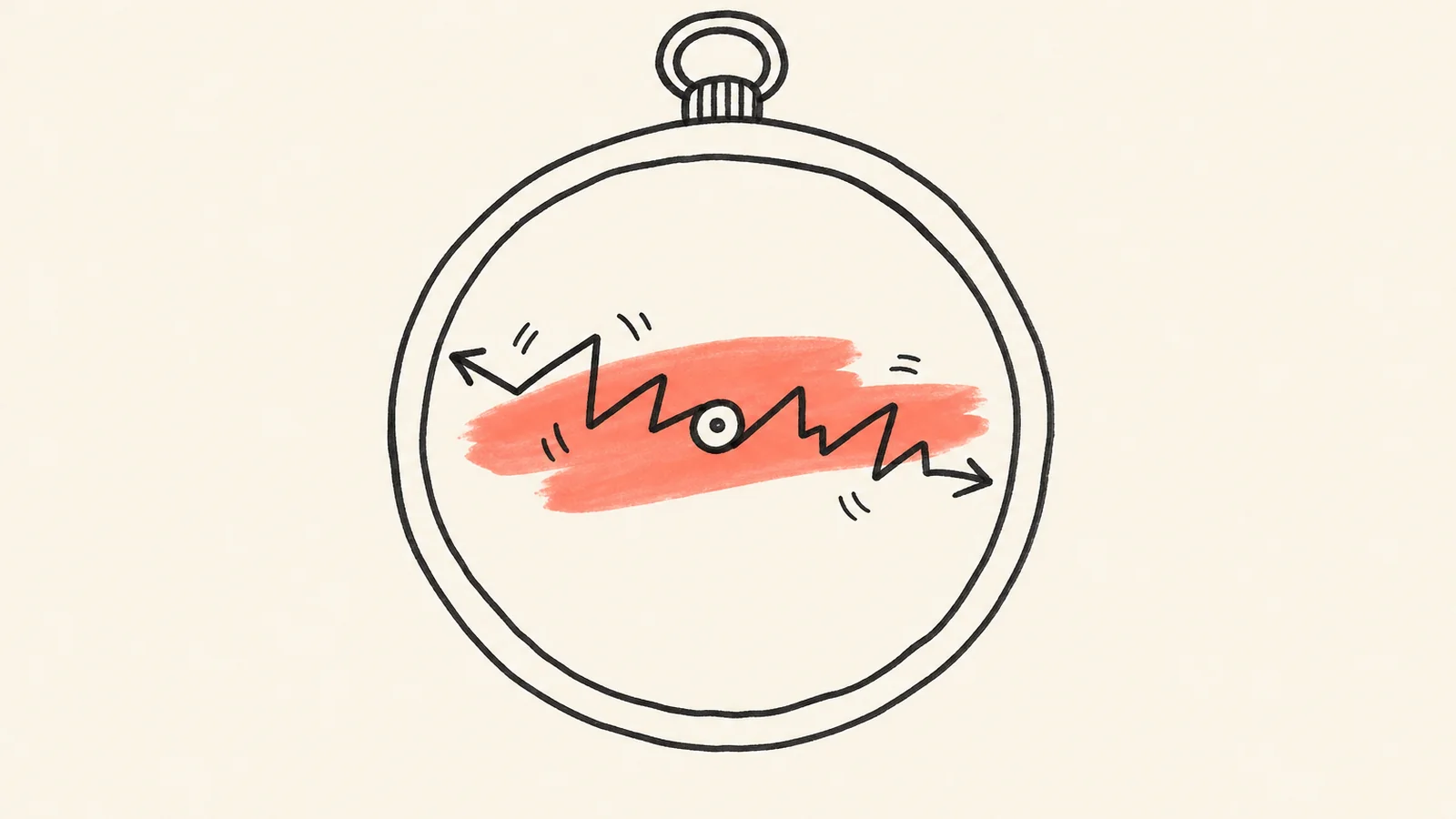
Feeling at ease is not the goal. Decision anxiety turns harmful when it guesses the risk, the options and the time left, and nobody checks the guess.
Inwitt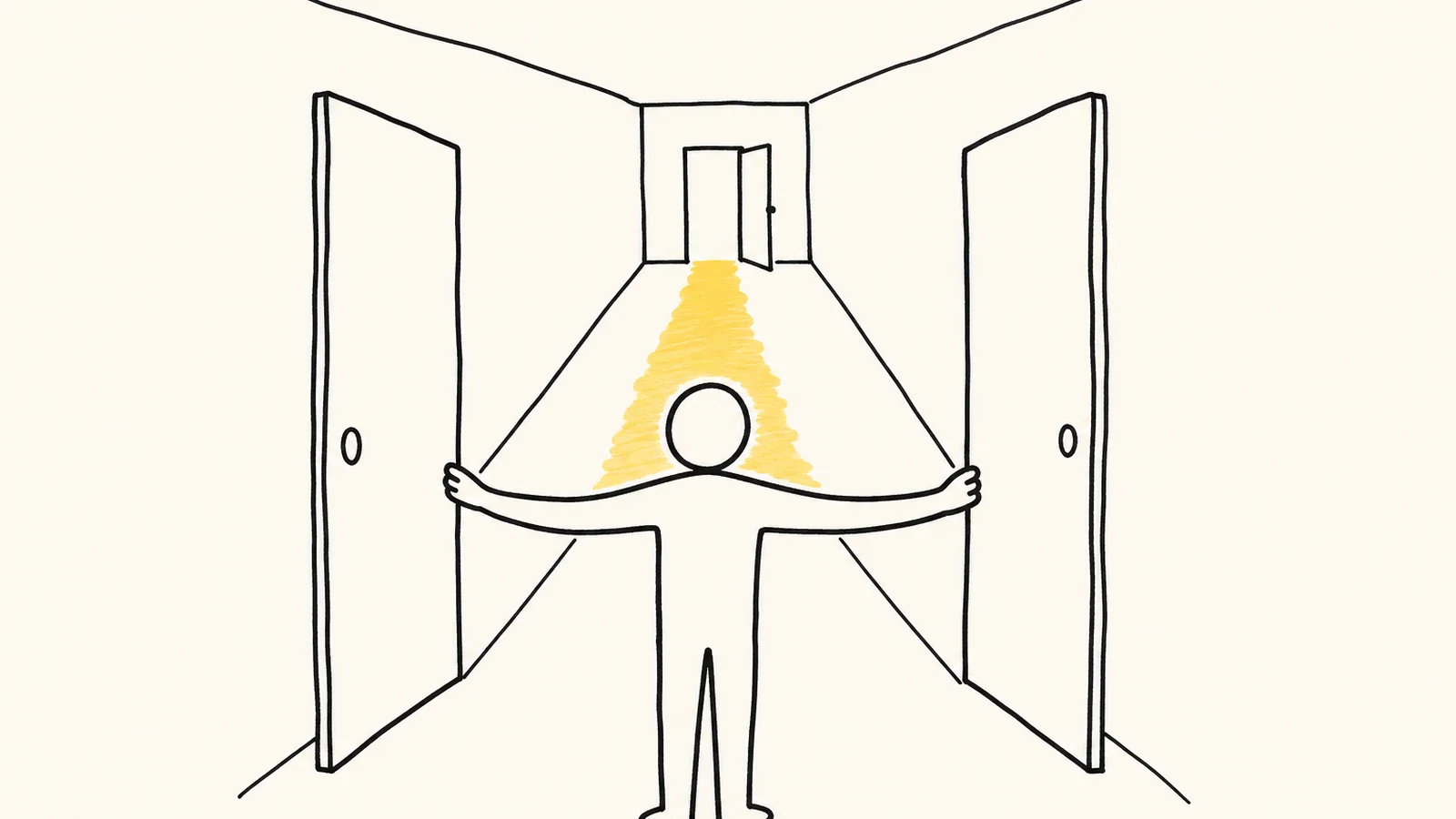
Most advice blames fear or too many options. When you can't make a decision, it is usually waiting on one missing piece, and each has its own exit.
Inwitt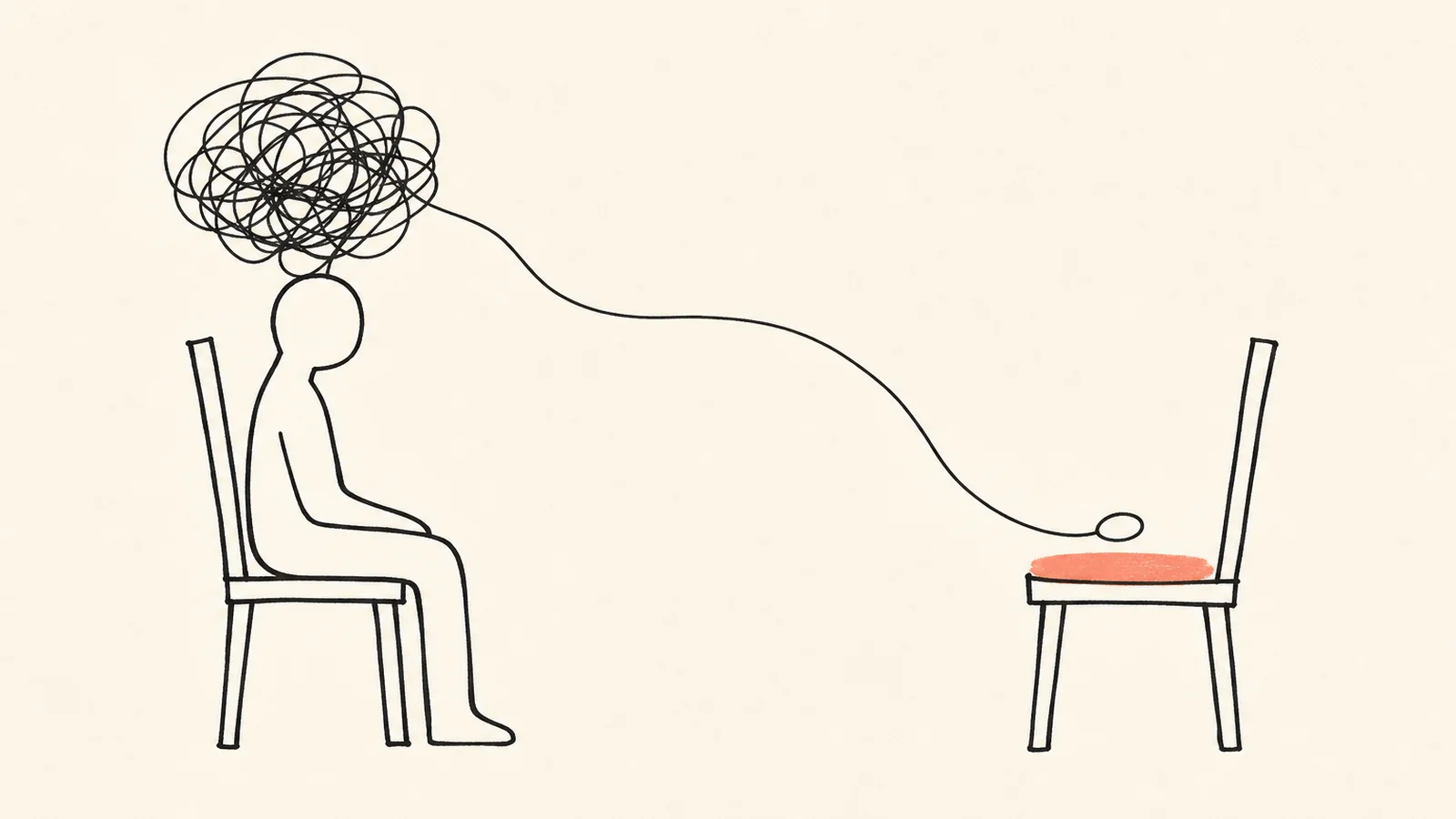
A mind never goes silent. Knowing how to quiet your mind means sorting the noise: a revved body, a rehearsed list, and a voice that needs a question.
Inwitt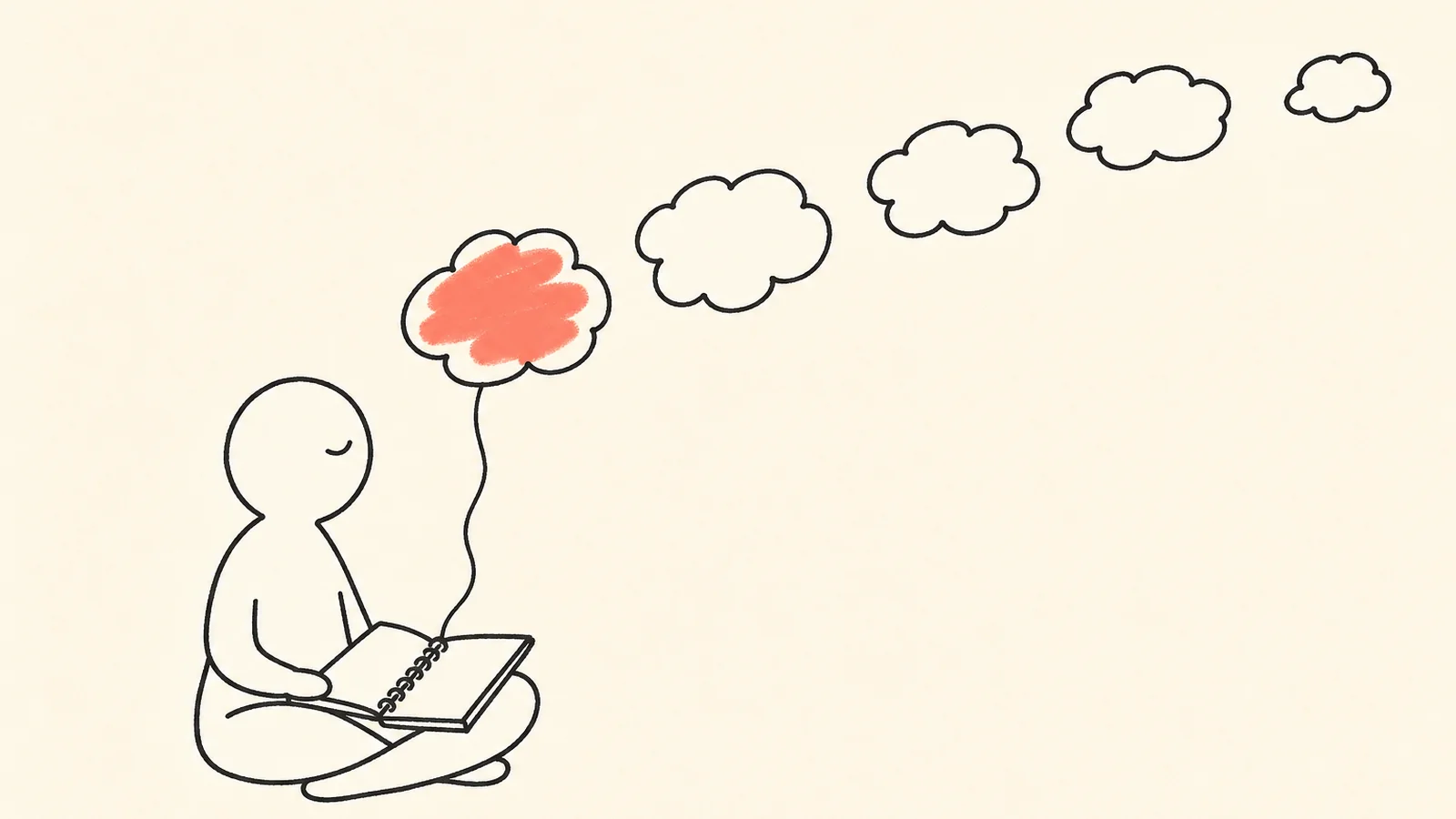
Most mindfulness overthinking advice stops at letting thoughts go. That loosens their grip; a loop that keeps coming back is asking a question.
Inwitt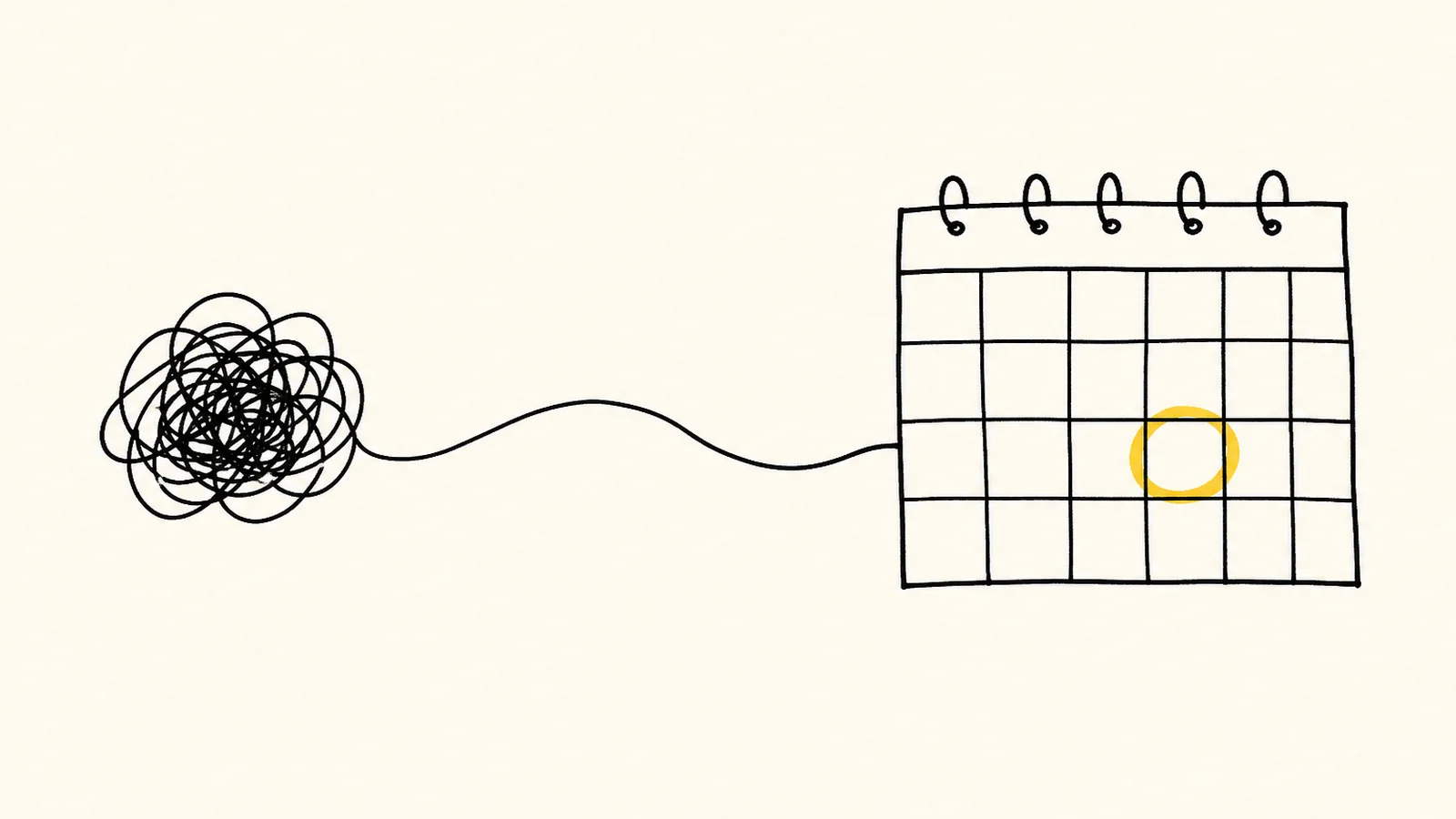
Fifteen tips will not hold a worry still. How to stop overthinking with two moves that have trials behind them: postpone the loop, then check it.
Inwitt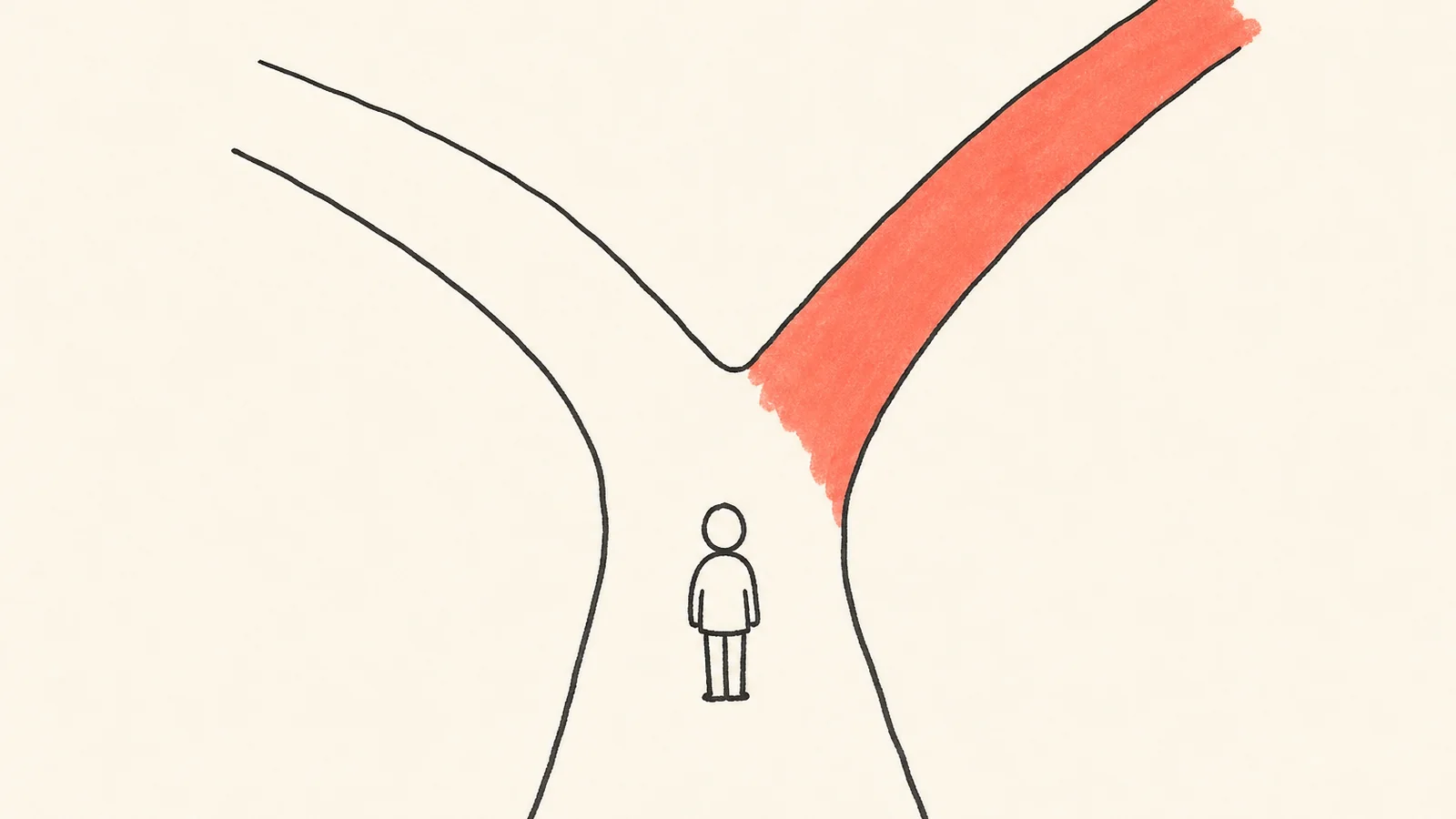
Waiting feels neutral. What happens when you do not make a decision is that a default, a deadline or someone else makes it, one closure at a time.
Inwitt
Fewer small choices barely dent it. How to manage decision fatigue when the real drain is one open decision you keep reopening all day.
InwittMost lists describe a personality. The signs of poor decision making worth having are facts about how a choice got made, checkable after the fact.
Inwitt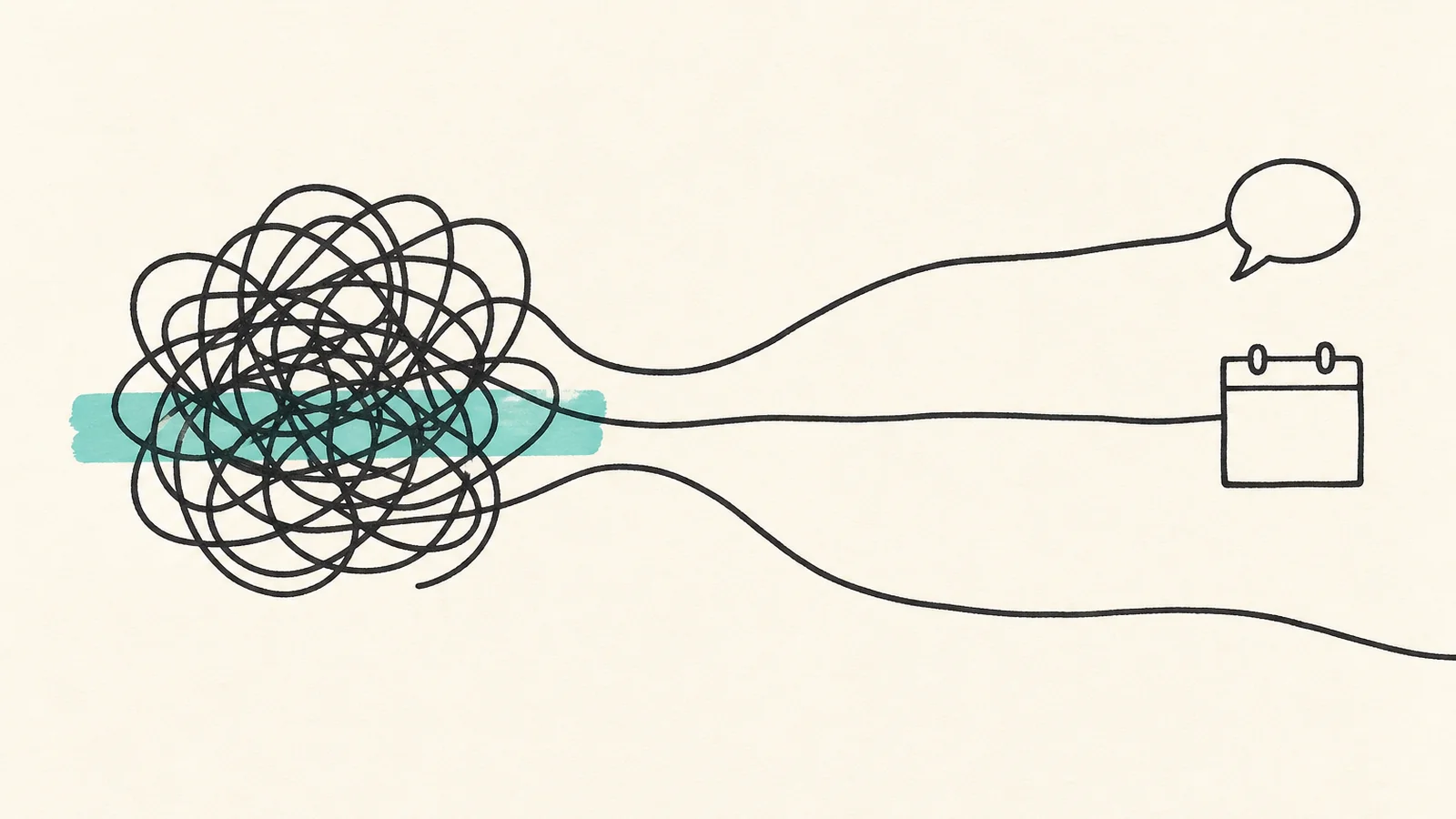
Most guidance on how to stop overthinking in a relationship tries to quiet the thought. Sorting it by who could answer it ends it faster.
Inwitt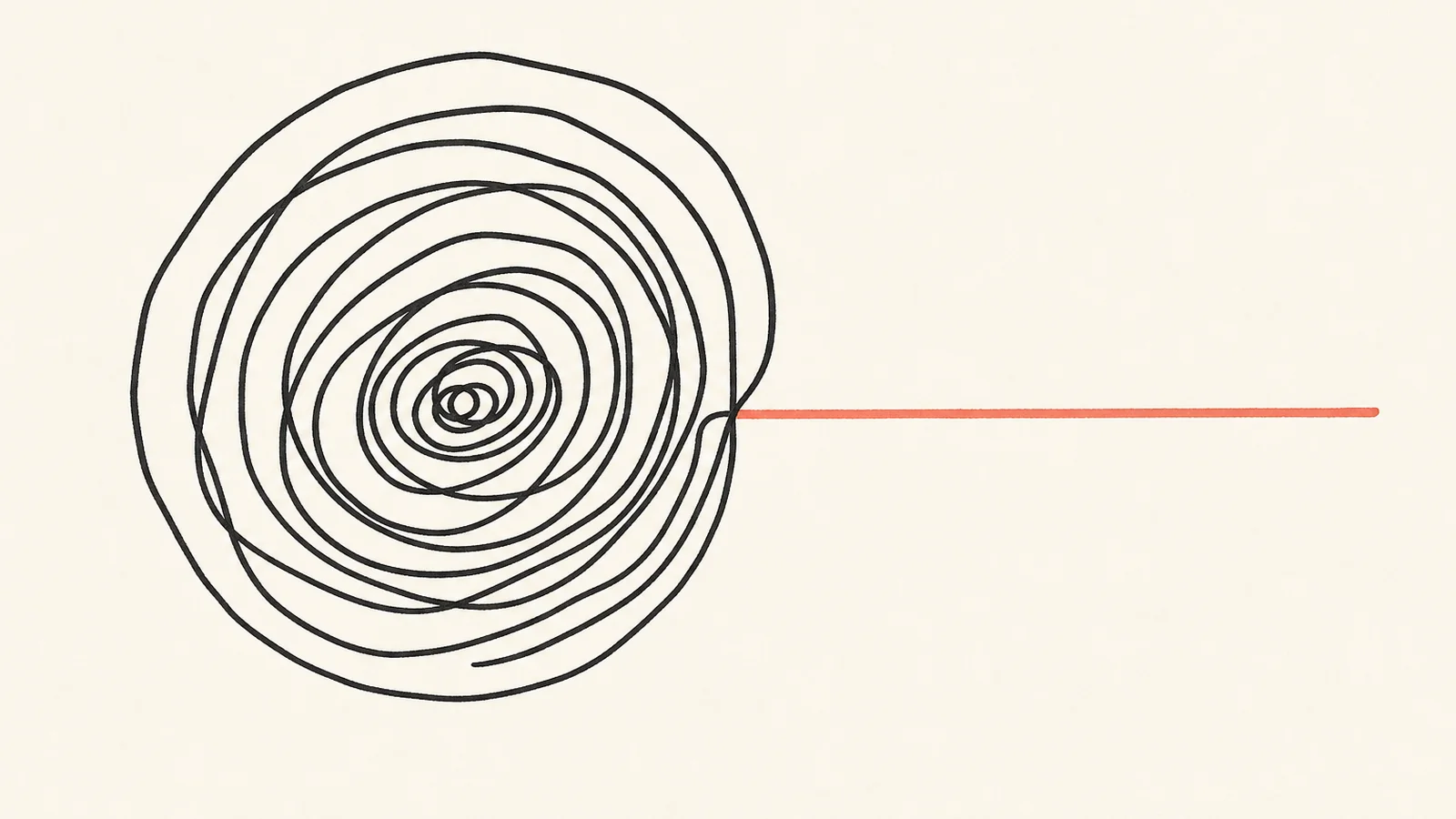
The hours are not the problem. Overanalyzing is analysis that never agreed on what would settle the question, so it ends in exhaustion instead.
Inwitt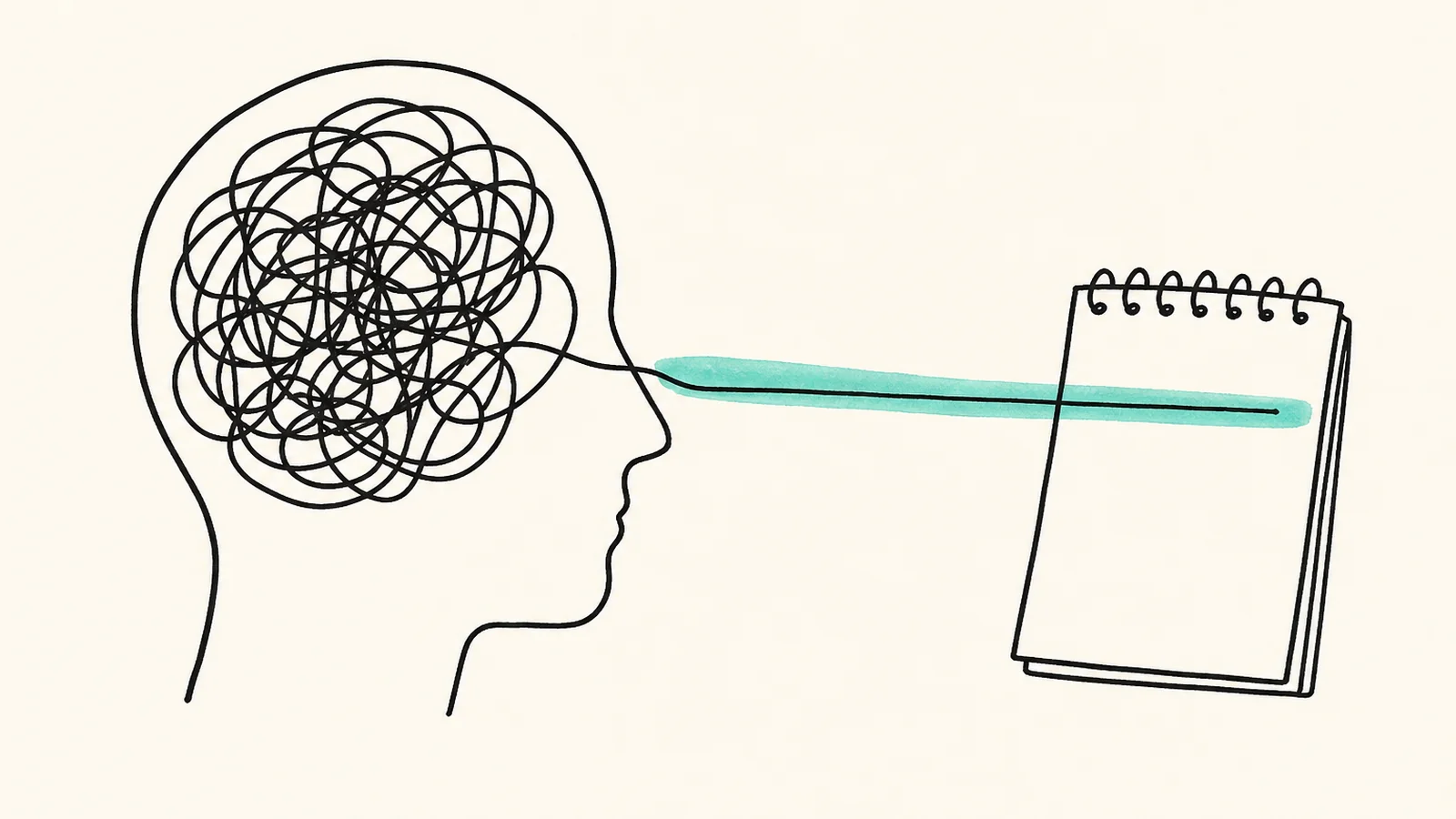
Grounding helps you get out of your head for ten minutes. Sorting the loop on paper gets you out for good. Which exit fits which thought, and why.
Inwitt