Overthinking · 11 min
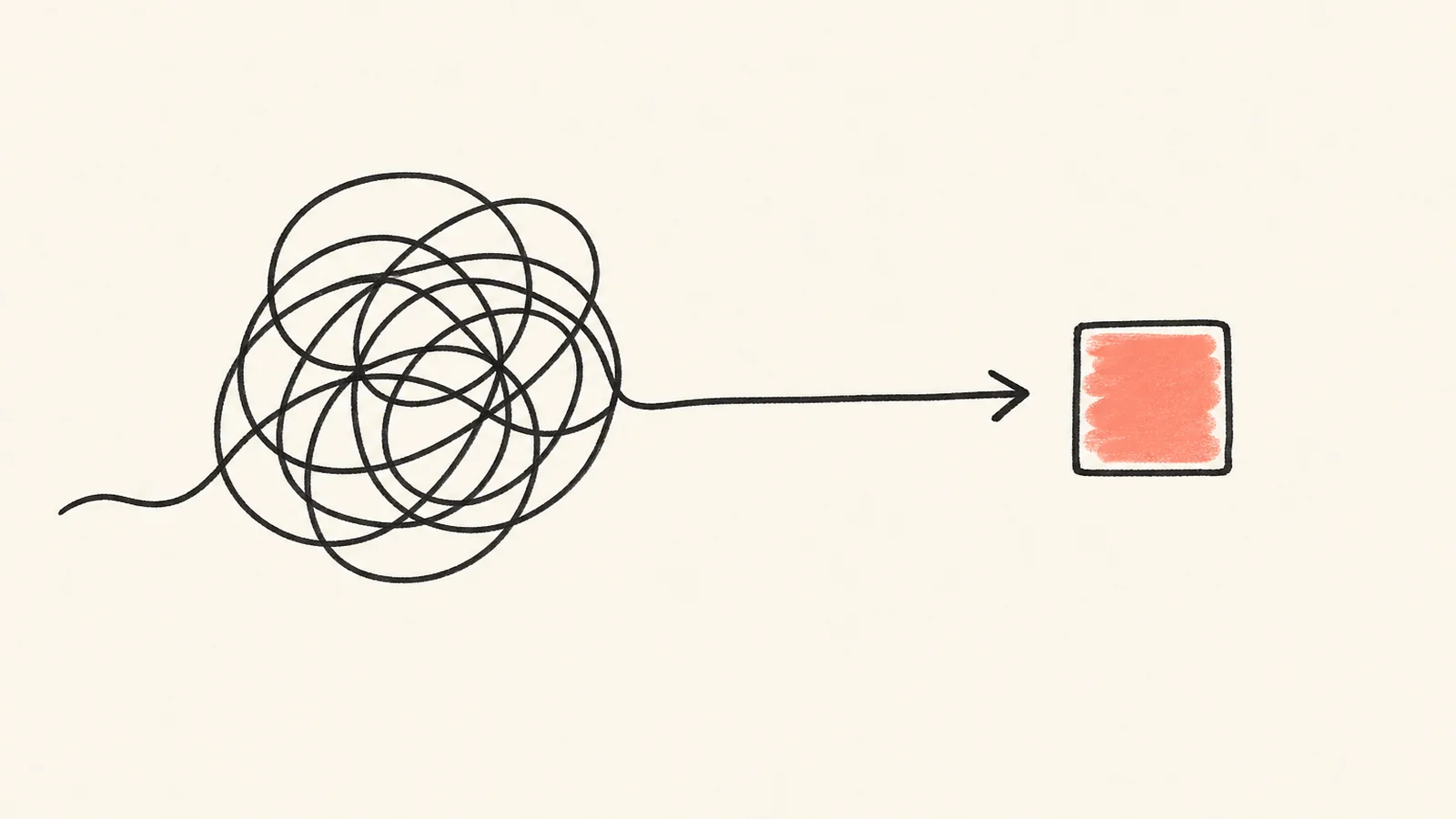
Is overthinking a skill? Only the kind that ends
The attention is real and the loop is not. Is overthinking a skill? Research finds two kinds, and only one asks a question that can end.
 Inwitt
Topic
17 essays on thinking skills.
The attention is real and the loop is not. Is overthinking a skill? Research finds two kinds, and only one asks a question that can end.
Inwitt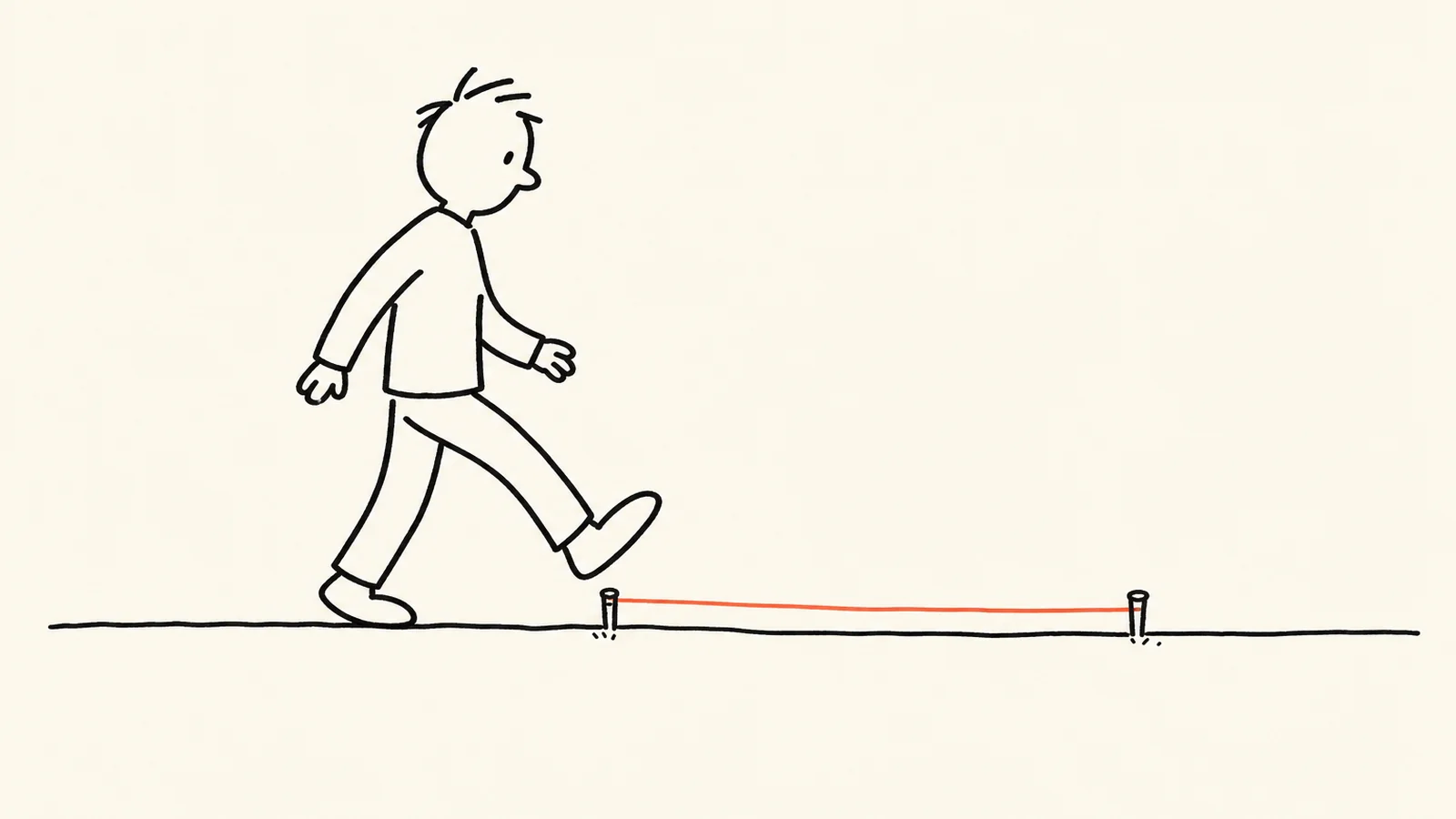
Question everything is not a method. How do you use critical thinking? Learn the few moments that call for it, then ask a question that can fail.
InwittFallacy lists rarely stick. How to teach critical thinking to adults: work on a problem they own, ask instead of tell, and hold back your own answer.
Inwitt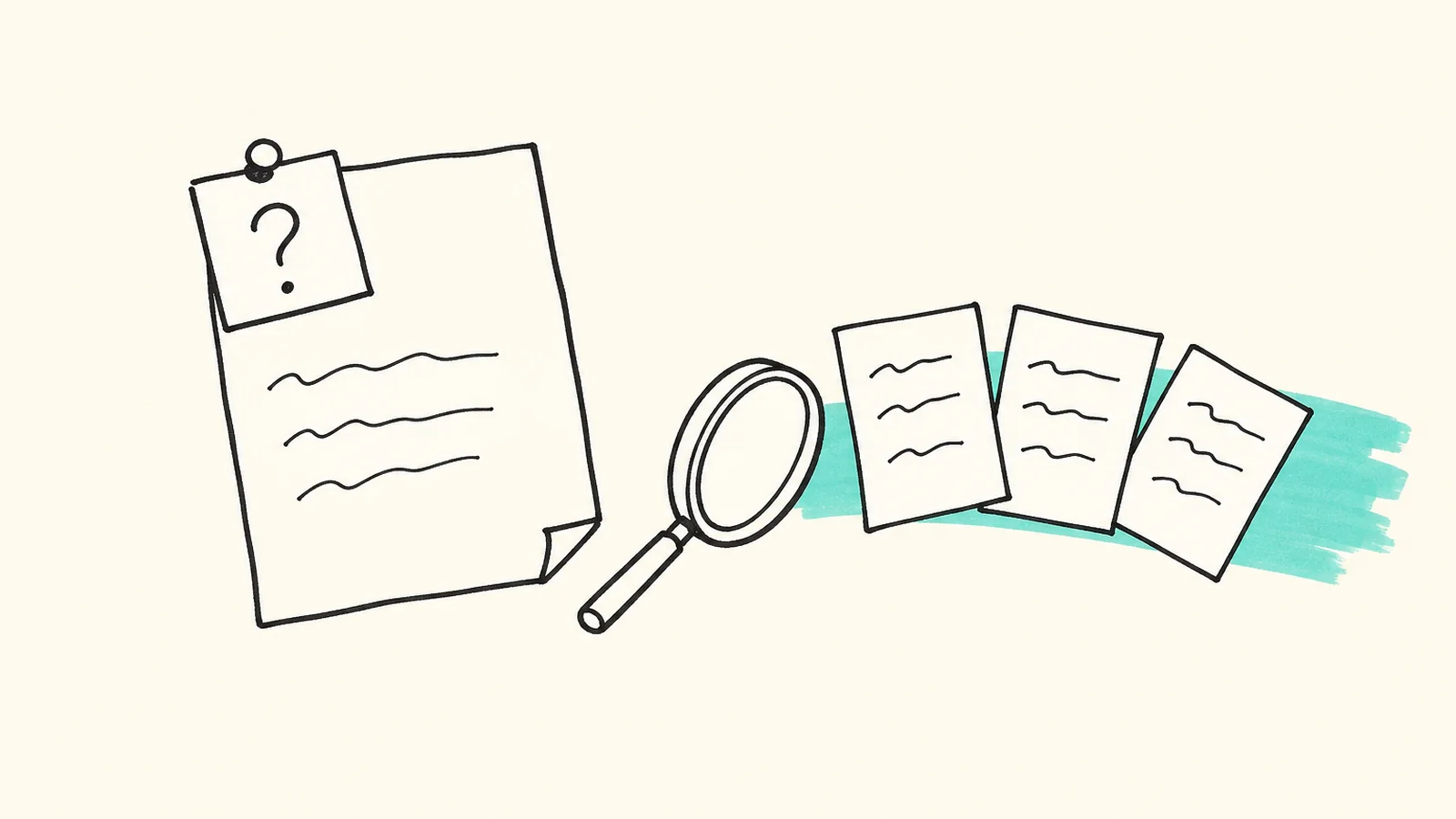
Most guides say to think critically at every stage. Research and critical thinking really meet at three moments, and each one has a move that works.
Inwitt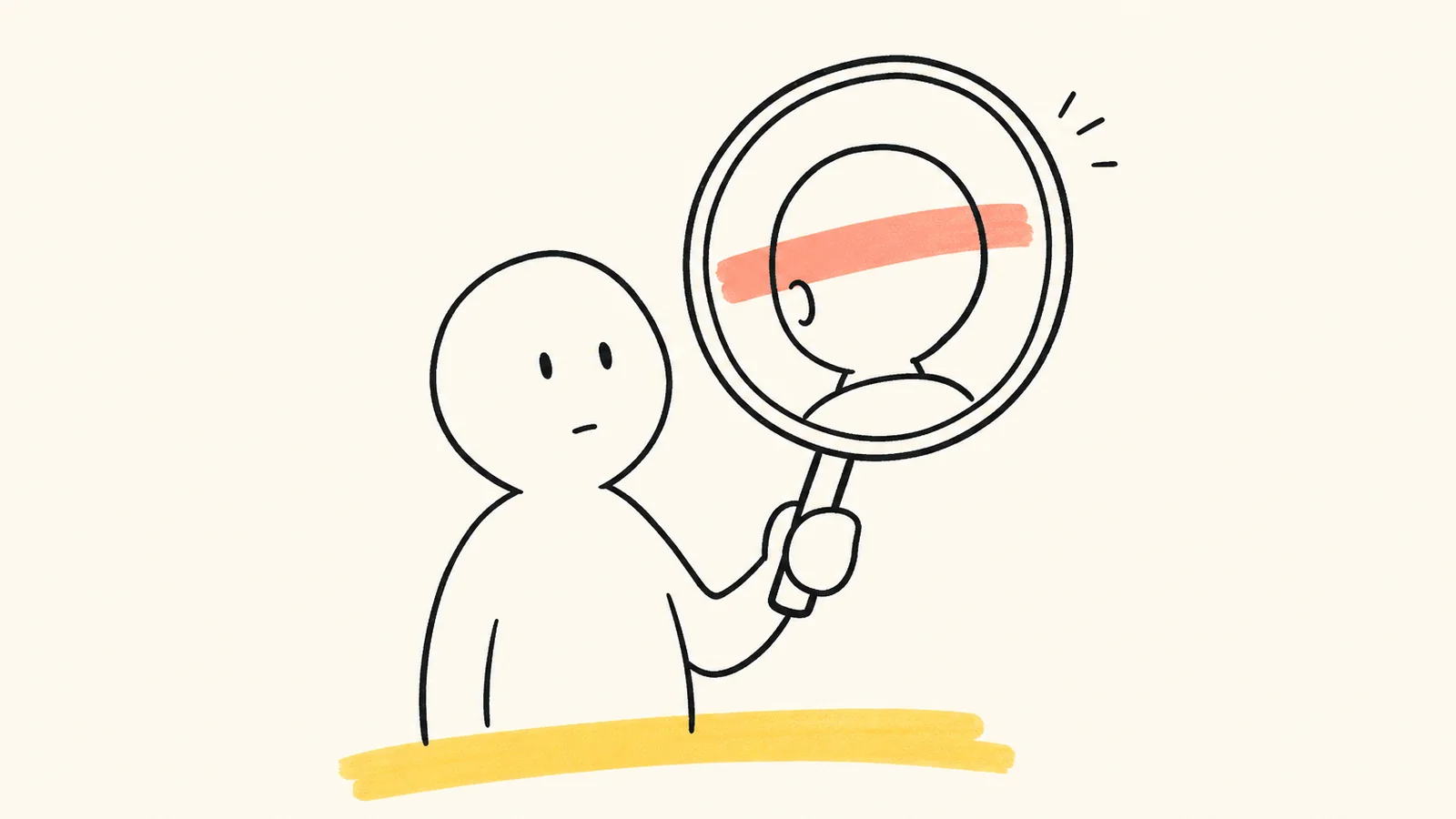
Lists of the attributes of a critical thinker agree on curiosity and open minds. Research shows where both quietly fail: on beliefs you care about.
Inwitt
A full breakdown can still leave you undecided. Analysis and critical thinking part ways at the verdict, and one question keeps that verdict honest.
Inwitt
Most pages quote a philosopher. The psychology definition of critical thinking counts what you do, and its test tracks life mistakes better than IQ.
Inwitt
Benefit lists all agree. The importance of critical thinking in education shows after class, when no teacher is left to ask the question.
Inwitt
Each list of the components of critical thinking counts differently. Sorted into four layers they agree, and all of them miss the same part.
Inwitt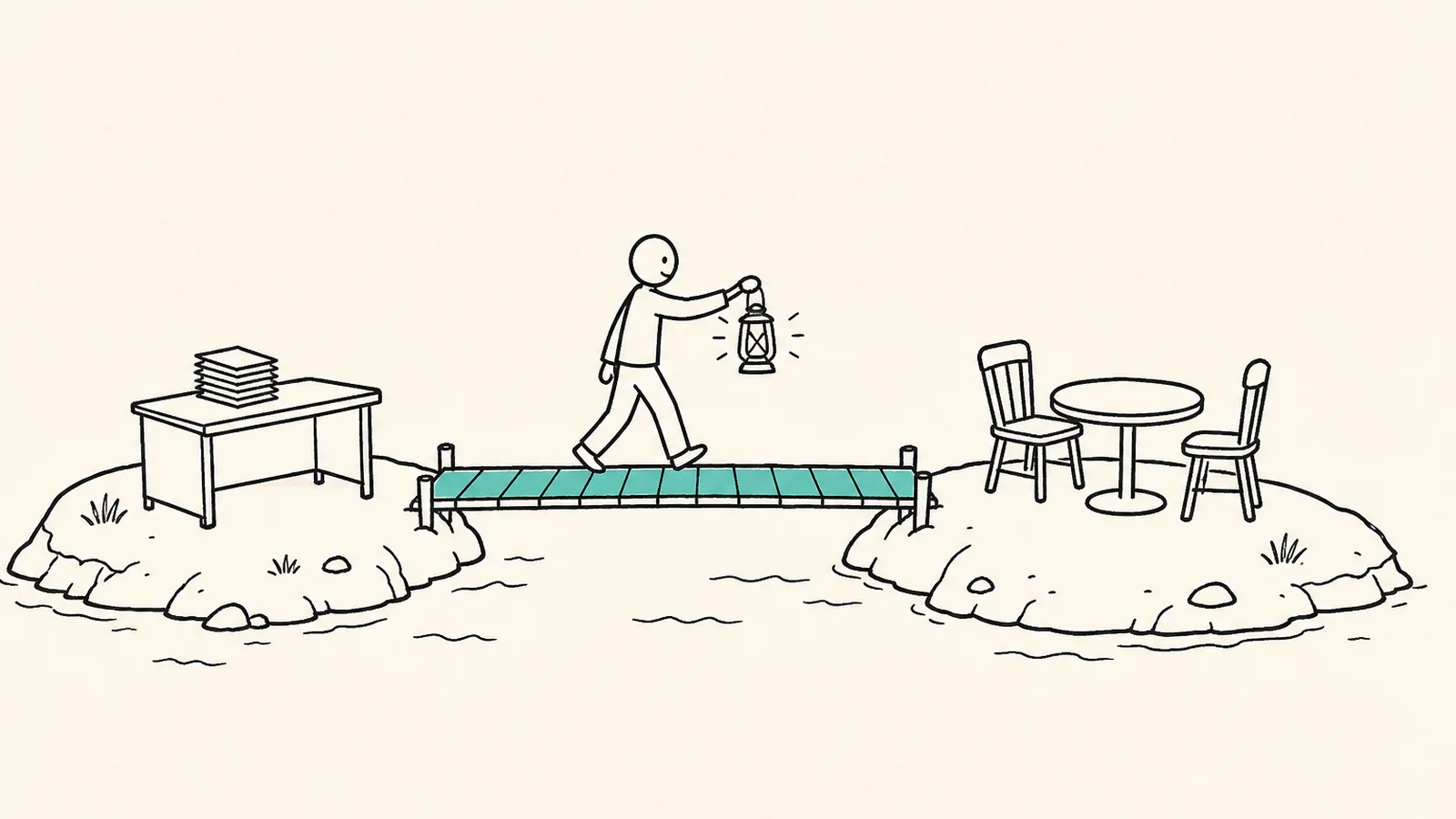
Being sharp at work does not make you sharp about your own life. Thinking skills stay where they were learned unless a question carries them over.
Inwitt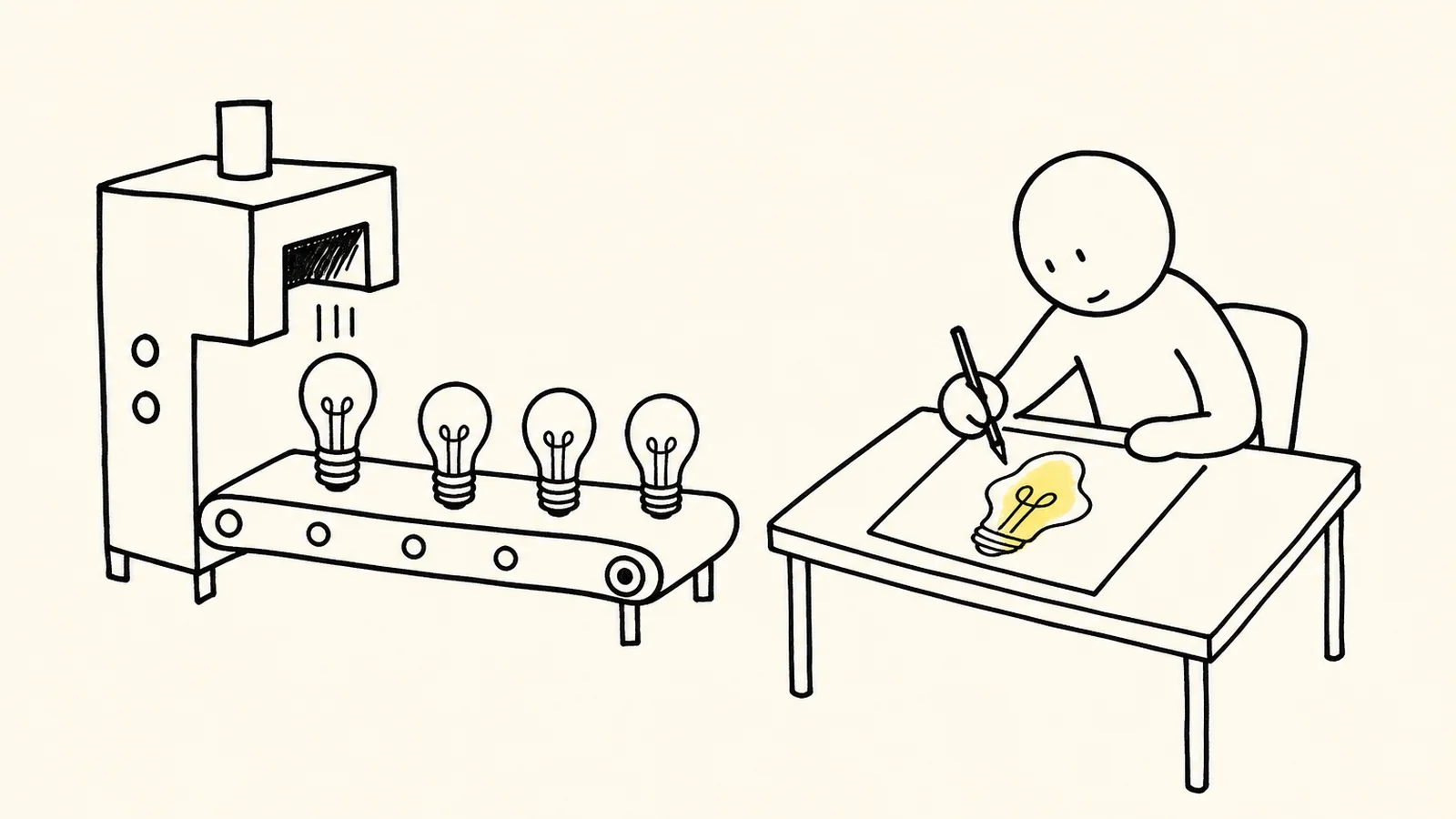
Studies of AI and creativity agree on a trade: better single pieces, a narrower range across people. The order you use it in decides the balance.
Inwitt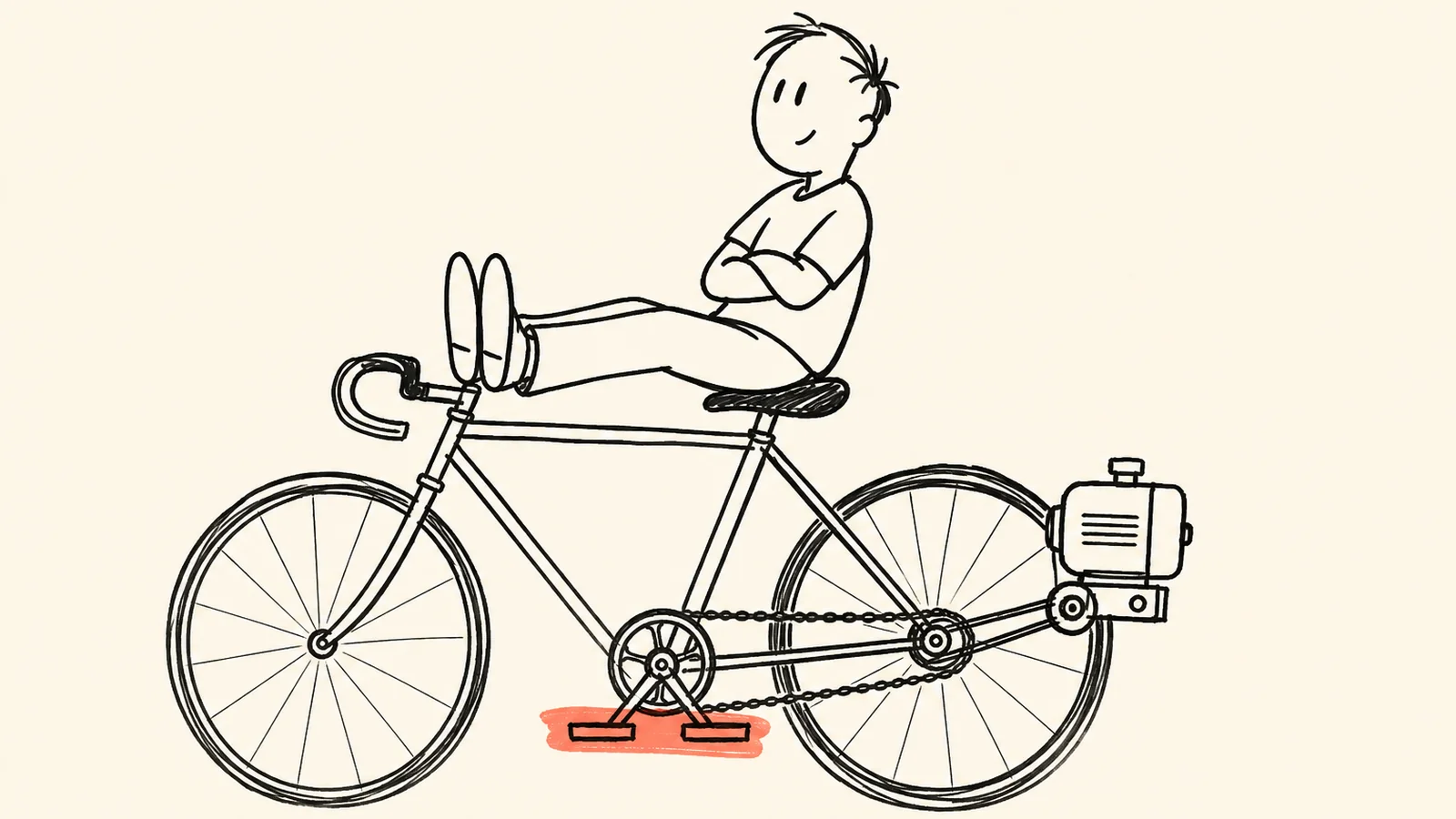
Trials from 2026 suggest GenAI is making us dumber only at skills we stop practicing, and ten minutes of taking its answers is enough to show it.
Inwitt
Every list of the 7 steps of critical thinking gives seven verbs. Here each step is a question with a written output and a test that it is done.
Inwitt
Most critical thinking with examples pages show a scene and a happy ending. Six situations shown as the move itself: belief, question, result.
Inwitt
Habit lists do not change how you think. How to improve critical thinking the way research says it works: one real decision, on paper, with questions.
Inwitt
Bloom's taxonomy tops out at analysis, evaluation, and creation: the higher order reasoning skills built through practice, not reading about them.
Inwitt
Most guides say to question your assumptions. Reasoning critically is harder, because reasoning evolved to defend conclusions, not to test them.
Inwitt